Weather Stepping Up From Civil Defence as of 1211 hours Conditions to deteriorate in Auckland as Lusi hits The Auckland Emergency Coordination Centre continues to monitor adverse weather conditions … Continue reading Lusi Update

Weather Stepping Up From Civil Defence as of 1211 hours Conditions to deteriorate in Auckland as Lusi hits The Auckland Emergency Coordination Centre continues to monitor adverse weather conditions … Continue reading Lusi Update

A Theory Behind our Resident NIMBY’s NIMBY’s, love them or detest them they are always going to be there when it comes to Planning. Our most classic … Continue reading NIMBY’s

Getting a Bit Wet Here Okay the rain has picked up now and the lawn is finally getting watered. That said still not too much drama yet here in … Continue reading Cyclone Lusi Update as of 1000 Hours

Latest from Lusi Waking up this morning I notice (as far as living in Papakura goes) not too much yet from Cyclone (or rather Ex Cyclone) Lusi. Just the … Continue reading Civil Defence Update
If you have been ever inclined to protest because a Kiwi Rail freighter held you up then spare a thought if you were waiting for these true freighters to clear a level crossing
Union Pacific SD70 (their main locomotives) hauling a long train through a work area (you can hear the maintainers talking to the driver)
And that was just one SD70
Now for some multiple SD70 hauled freight
Just don’t have the volume too high when the train blasts by
And for our serious train fans here is a selection of Union Pacific locomotives of different classes in LA
http://www.youtube.com/watch?v=5N6UMn_kfCo

Kansas City Southern SD70ACe 4034 at Nichoals Yard in December 2009
The SD70ACes are similar to the SD70MAC; however, the model has been upgraded to meet Tier-2 EPA regulations. Production commenced in 2004.[1] SD70ACes are equipped with EMD’s 16-710G3C-T2 prime mover, rated at 4,300 horsepower (3,200 kW).[8] They are rated at 157,000 lbf (700 kN) continuous tractive effort (191,000 lbf (850 kN) starting). Braking effort is rated at 106,000 lbf (470 kN).[8]
Although mechanically similar to earlier SD70 units, the SD70ACe rides on a new underframe and uses mostly new sheetmetal above the frame. Electrical cables and air lines have been routed beneath the walkways on opposite sides, allowing for easy access by maintenance workers. The radiator on the locomotive is nearly as wide as the cab, the center hood section is a step down below the roofline, and the dynamic brakes have been moved to the rear of the hood; these changes are reminiscent of the SD80 and SD90 series. The SD70ACe uses the cab design of late-model SD90MAC units, which uses rectangular window glass and is externally different from the two cab variations used on earlier SD70M and SD70MAC units. In 2008, EMD standardized the isolated cab on subsequent SD70ACe’s after non-isolated cab units were restricted from leading on BNSF Railway due to excessive cab vibration. SD70ACe models are rated at 4,300 horsepower (3,200 kW). As of late, more than 1350 examples of this model locomotive have been produced. Purchasers include BNSF Railway, CSX, Ferromex, Kansas City Southern Railway, Montana RailLink, CVG Ferrominera Orinoco, Union Pacific,Quebec North Shore and Labrador Railway, BHP Billiton, Arkansas & Missouri Railway, and Norfolk Southern.
In January 2012, BNSF Railway announced the order of 10 SD70ACe-P4 locomotives. This engine would compete with GE’s popular ES44C4. These units will have a B1-1B wheel arrangement, unlike the ES44C4’s A1A wheel arrangement. They are set for 2013 delivery.
Source: http://en.wikipedia.org/wiki/SD70
As a comparison a EMD SD70 has 4,300 horse power behind it while our DL’s have a horse power rating of 3,600.
Source: http://en.wikipedia.org/wiki/New_Zealand_DL_class_locomotive
DL’s hauling freight
So next time you are stuck at a level crossing waiting for a freighter to pass by, remember you are not waiting for a long Union Pacific freighter to go through 😉
From Civil Defence and Auckland Council:
Auckland Civil Defence and Emergency Management advises people to take care across the region tomorrow and extra caution on north-east coast beaches.
Weather forecasters are predicting high winds of up to 120km/h and rough seas.
Auckland Council Civil Defence Controller Clive Manley says the two hours either side of high tide are likely to cause the most problems.
“Tomorrow’s high tides are 7.29am and 7.56pm. The morning’s high tide will be of moderate risk for some areas and the evening’s tide will bring high risk to some parts.”
The areas likely to be affected are:
“We also expect the Waitakere and Hunua ranges to receive the highest rainfall, which has the potential to cause slips in these areas.”
People are advised to be prepared and keep up to date with severe weather warnings and forecasts from MetService.
Cyclone Lusi’s high winds and rain could bring rough seas, coastal erosion, flooding, slips, road closures, and power and phone outages.
In the event of a power outage people they should stay well clear of fallen power lines or damaged electrical equipment and treat them as live at all times.
To keep up to date with outages, download Vector’s Outage Manager App from iTunes or Google Play.
Check your drains and gutters are clear, and secure items such as outdoor furniture, rubbish bins and trampolines.
People are also being asked to restrict their travel and take extra care if they do have to travel.
Follow Auckland Civil Defence and Emergency Management on Facebook and Twitter @AucklandCDEM.
You can also follow updates from Auckland Council on Facebook and Twitter @aklcouncil.
If you have a smartphone, please download the Auckland Civil Defence app to receive instant updates. Go to www.aucklandcivildefence.org.nz/Alerting/Get-the-Applications.
—-ends—-
Are you prepared for Lusi’s visit?
From the Auckland Council and Civil Defence
Auckland’s Civil Defence and Emergency Management (CDEM) is preparing to manage any incidents if as expected Cyclone Lusi hits the region this weekend.
Auckland Council CDEM Manager Clive Manley says Civil Defence and key council staff are closely tracking the path of Cyclone Lusi and he advises people to prepare for severe weather conditions.
MetService has issued a severe weather watch for Auckland this weekend, with heavy rain and winds of up to 110km/h. People are advised to keep up to date with severe weather warnings and forecasts from MetService.
“People need to monitor official weather warnings and forecasts and be prepared. Cyclone Lusi could well bring flooding, slips, road closures, and power and phone outages.
“We encourage people to take steps to prepare now. Check your drains and gutters are clear, and secure items such as outdoor furniture, rubbish bins and trampolines.”
People are also being warned that travel plans could be affected and these may need to be reviewed.
To keep updated, follow Auckland Civil Defence and Emergency Management on Facebook and Twitter @AucklandCDEM.
You can also follow updates from Auckland Council on Facebook and Twitter @aklcouncil.
If you have a smartphone, please download the Auckland Civil Defence app to receive instant updates. Go to www.aucklandcivildefence.org.nz/Alerting/Get-the-Applications.
—-ends—-
It is going to be rough weekend for all of us. That said I am sure gardens, farmers and our dams will not mind a nice top up from the expected rain with this cyclone especially with the Waikato hydro-schemes low and in drought mode.
Remember keep up to date and delay all unnecessary travel. It might be also a good time to stock up on library books and have a few board games on hand too 😉
Right now in Papakura I have high cloud over my head with the last of the blue sky just starting to retreat south. I am ready for this event – the question is are you?
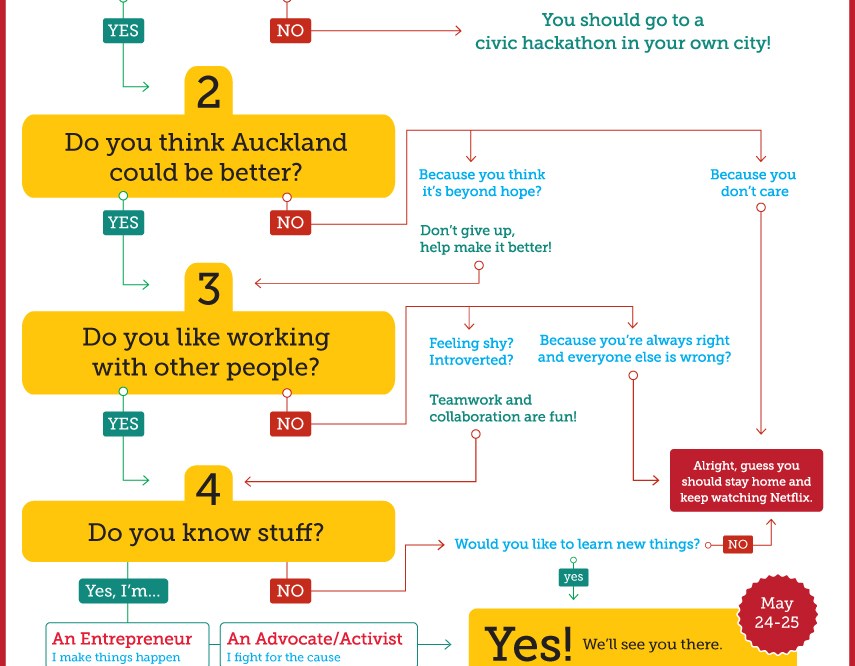
Want to Change Auckland’s Transport for the Better? I caught on Twitter this: We're supporting #HACKAKL:Transport, Auckland's first #civichacking event http://t.co/DkTiBAsnAd — Auckland Transport (@AklTransport) March 13, 2014 Curious … Continue reading Transport Hackathon
From Auckland Council:
Have your say on Auckland’s low carbon transformation
Thursday, 13 March, 2014 – 10:08
Auckland Council is seeking feedback on a plan developed collaboratively to improve Auckland’s energy resilience and reduce Auckland’s greenhouse gas (GHG) emissions by 40 per cent by 2040.
More than 150 companies and organisations have come together to produce the draft Low Carbon Auckland Action Plan, which paints a picture of an innovative, highly-mobile city with a prosperous eco-economy – powered by efficient, affordable, clean energy and using resources responsibly.
“Auckland has a crucial role to play, as cities are estimated to account for up to 80 per cent of global GHG emissions. Low Carbon Auckland therefore sets out a very bold target of reducing greenhouse gas emissions by 40 per cent, ensuring our future energy supply is clean, secure and affordable and that we are using this energy efficiently,” says chair of the council’s Environment, Climate Change and Natural Heritage Committee, Councillor Wayne Walker.
“A fast-growing population, volatile fuel prices and dependence on imported energy are just some of the challenges and opportunities that call for decisive action, smart thinking and innovation. Everyone has a role to play.”
Low Carbon Auckland sets out a 30-year pathway and a 10-year plan of action that will guide the first stage of the city’s transformation. It identifies five key areas:
the way we travel
the way we use and generate energy
our built environment and green infrastructure
zero waste
forestry, agriculture and natural carbon assets.
The plan is open for feedback until Monday 7 April. Aucklanders can visit www.aucklandcouncil.govt.nz/haveyoursay to find out more and to have their say.
The final Action Plan will be adopted in June 2014.
—ends—
A few sizeable PDFs to get through so here they are below for easy reading
.
Yesterday there was a large presentation followed by substantial debate on the roll of active transport (this case cycling) in Auckland. The presentation was given by Generation Zero and the Cycling Action Network (in which I’ll ask for the presentation later today) about our lagging state of the cycling network. The material in the agenda (embedded further down) further outlines the state of our cycling network:
From page 8 and 9 of the Infrastructure Agenda
The Herald picked up further on the cycling situation in their “Paths full, say cyclists” in which even now pedestrians are getting cranky with cycling provisions.
From the NZ Herald:
Council told of pedestrian anger at surge in bike use of shared facilities. Cyclists are starting to feel the heat from pedestrians rebelling against having to share paths with them, Auckland Council members were warned yesterday.In delivering her warning, Cycle Action Auckland chairwoman Barbara Cuthbert reminded the council’s infrastructure committee that pedestrians were “at the top of the hierarchy” of an active transport network.
“You may be hearing – we certainly are – that pedestrians across Auckland don’t want more shared paths,” Mrs Cuthbert said.
“Because now cycling numbers are getting up so high that those shared paths are not pleasant for pedestrians – pedestrians and cyclists deserve their own facilities.”
But Mrs Cuthbert was glowing in her praise of a council staff report recommending a greater financial commitment to cycling while warning that only 40 per cent to 50 per cent of a 900km network of bikeways will be in place by 2020 on current funding.
That compares with about 30 per cent now in place – much of which her group says is disjointed and in poor condition – and an Auckland Plan target of 70 per cent by 2020.
Committee deputy chairman Chris Darby, a cyclist, said other comparative cities around the world but particularly on the Pacific Rim were well ahead of Auckland in developing bikeways which raised public transport patronage by widening the catchment of buses, trains and ferries.
“We have been failing Auckland miserably – cycling is a badge of a smart city and we really need to have that badge on our lapel.”
His comments followed a presentation by Generation Zero youth organisation and TransportBlog representatives, who cited efforts by United States cities to attract young talent by providing safe cycling opportunities.
…
You can read the rest of the article over at the Herald site
Essentially the argument can be nutted down to this:
That is true to a point. Our heavier arterials should have dedicated and separated cycle ways but our smaller streets should be in a position to take cyclists automatically. This might be dropping local roads down to 30km/h and where possible flipping them over to shared spaces to remove the car as absolute priority from the road space.
For more on cycling by Talking Auckland check these related posts:
If someone asks for quick wins in getting some quality cycle and active transport infrastructure up before hitting the big stuff (long distance cycleways) I can think of two places to start:
I will get the resolutions up from the Infrastructure Committee when they come through – most likely Monday if not Tuesday
 Talking Southern Auckland