Large scale redevelopment to happen I have seen the following about the St James Theatre ‘rebuild:’ ST JAMES THEATRE A STEP CLOSER TO RE-OPENING FOLLOWING SALE OF SITE Auckland’s … Continue reading St James to be Reborn(?)
So much more out there than the CBD Also less smog with the new bylaw?
From Auckland Council – and read the bit in bold carefully too
Proposed Air Quality Bylaw tackles pollution
Auckland Council’s Regulatory and Bylaws Committee adopted a draft Air Quality Bylaw today to tackle Auckland’s air pollution. The proposed bylaw has been recommended as a way of meeting national air quality standards, as required by the Government.
In winter, 75 percent of Auckland’s air pollution is due to fine particulate emissions (PM10) from open fires and old, non-compliant wood burners. The inhaling of fine particles – which can lodge in the lungs – has raised the level of respiratory illness in the region, a surprise to many who thought that vehicles or industry pollution was to blame. The proposed Air Quality Bylaw will focus on the management of indoor fires to reduce the emissions of these fine particles into our air.
“It is hard to comprehend that the warmth emanating from that wood fire we enjoy on a cold winter night is the cause of serious health issues. By concentrating on the air pollution culprit in winter – indoor fires – we will not only achieve cleaner air, we will be well on our way to meeting national air quality standards,” says Calum Penrose, Chair, Regulatory and Bylaws Committee.
The committee held a robust discussion about the various implementation timings of the bylaw and Councillor Penrose was pleased with the resulting recommendation of prohibiting both open fires and older wood burners (pre-2005) in October 2018. This will allow homeowners and landlords time to consider alternative heating sources.
All regional councils are required to monitor air pollution levels to ensure particle concentrations are within National Environmental Standards for Air Quality (AQNES) requirements and that we identify any areas – airsheds – where air quality may exceed standards. The Ministry for the Environment now requires all councils to meet the AQNES standards with no more than one exceedance per year in a region by 2016.
The bylaw is expected to be tabled at Auckland Council’s Governing Body meeting later this month. Calls for public submissions will begin on 10 November.
Further information on the Ministry for the Environment requirements around air quality and national standards can be found at mfe.govt.nz/issues/air/
—-Ends—-
The Urban Air Shed where the restrictions will be in place by the order of Central Government per Resource Management Act – National Environmental Standards for Air Quality
Hopefully some answers too In light of my presentation to the Auckland Development Committee and the Committee’s consequential reaction, I have fired some questions off to the Committee Chair … Continue reading Questions Around Land Sales
While the rest of NZ would call this standard procedure in reforming a major political party, there are those in Labour who would think that John’s comments are High Treason.
For this those who think this (High Treason) are not truly fit to be participating in the democratic institute of New Zealand
The Labour Party must change the way it elects it’s leader.
Unions are a part of the history of the Labour Party and its formation, and they are also a part of its past. Party members are the lifeblood that provide the bulk of the funds that run the party machine. But ultimately it is voters who are the most important.
I am a member of the party but I do not think that in itself qualifies me to choose the leader of the parliamentary team. I should have a say on who is appointed to the Presidency and the Executive Council but the caucus is a team that needs a leader on whom it can rely, and who can inspire confidence and have the support of a majority of the team that they are to lead.
Unions should not get a vote at all in my opinion.
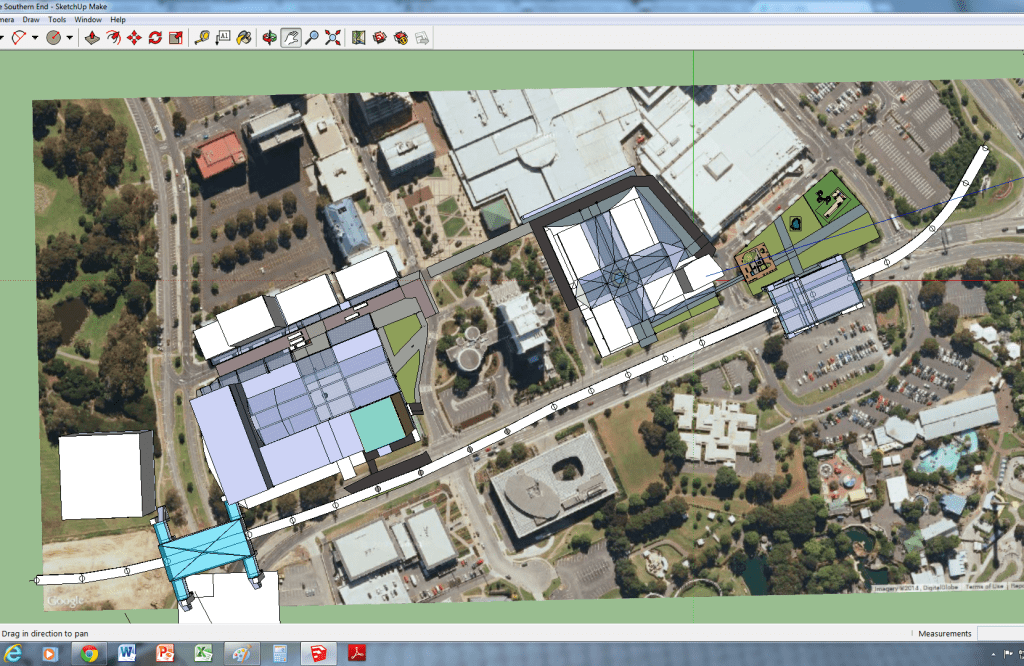
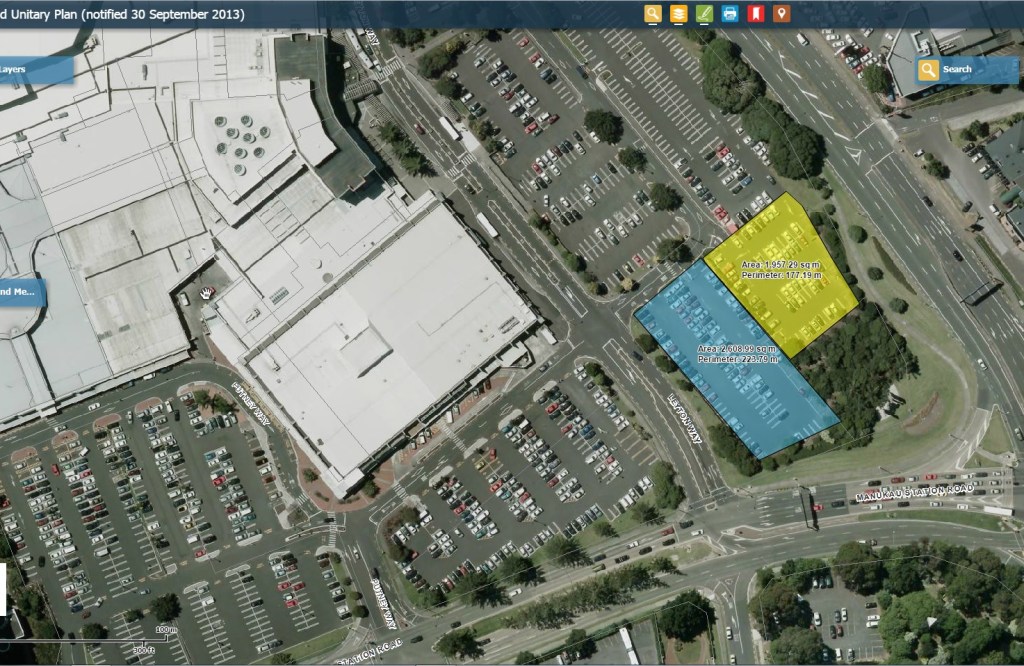
Question for the readers out there In my Manukau City Centre Southern End – Renewal post I had showcased the stitching together of two mock up’s I had done at the … Continue reading Question: Park or Tower?
Still Missing a Planning Minister though Labour have been watching Auckland Council as the Council goes through the motions of setting up a new Council Controlled Organisation to … Continue reading Labour Wants Development Companies





 Talking Southern Auckland