
Why oh why over the “small” details?
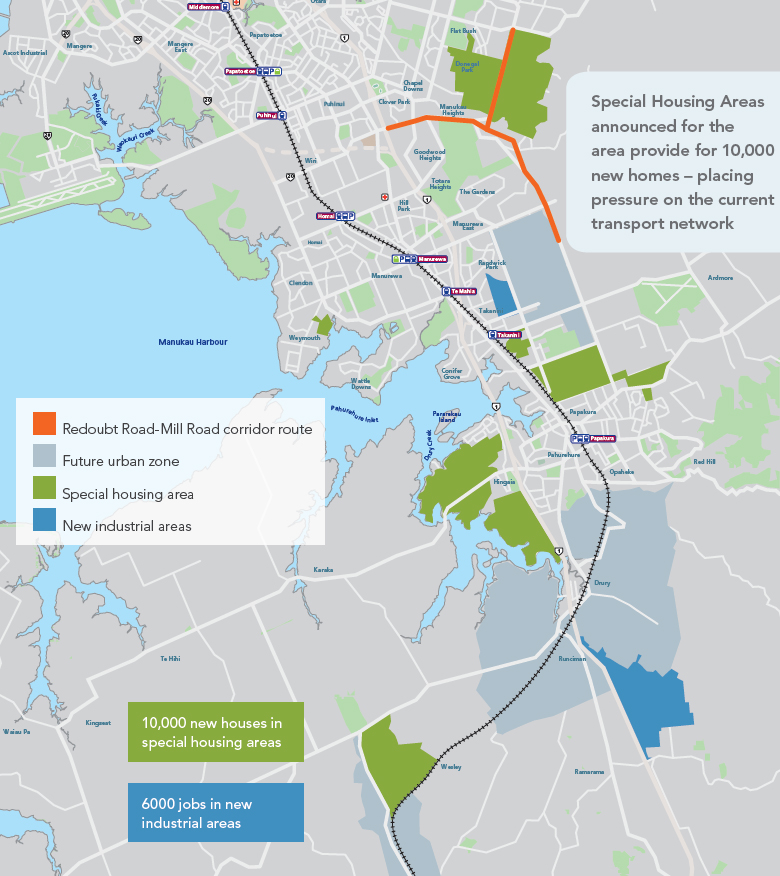
I am quite sure I would mark this as a tragedy more than anything else when you see this:
From Bob Dey’s Property Report
UP6: McDermott argues for better ways than compact city to accommodate growth
“The majority of Aucklanders appear to aspire to detached suburban living, the interests of particular groups in inner-city apartment living and the preferences of some policy analysts notwithstanding.”
A submission on the proposed unitary plan based on that premise is never going to agree with the Auckland Council advocacy of a compact city, limiting sprawl.
The quote above, from the submission of economist Phil McDermott on behalf of various South Auckland development land owners, pits him against his business partner of 20-30 years ago, Doug Fairgray, who did the economic analysis for the council’s case supporting the proposed plan.
In a way which is most unfortunate, the 2 sparring ex-partners’ evidence is reduced to the level typical of traffic engineers who will swear blind to a hearing panel that an extremely large new shopping centre won’t have any serious traffic effects, when everyone knows that is most unlikely to be true.
The council wants to see intensification, reducing sprawl. Dr McDermott makes the assumption that, because the majority of Aucklanders live in sprawl, that’s what we like.
Go back beyond the recent arrival of apartments in the central business district through conversion (of redundant office stock after the 1987 crashes of the share & property markets), and see if you can think of an alternative to living in lowrise suburbia. There were some “sausage blocks” of flats and now there are a few townhouses, but intensification has historically, and still now, provided little for family living.
When alternatives don’t exist, it’s very hard for the potential buyer or occupier to choose them. So the words “aspire to” may be true, but the word “appear” is an assumption that acceptance of the only option available is a preference.
And so this argument goes round, and round again. The council has proposed that up to 70% of new development should be inside the metropolitan urban limits as they were in 2010, when the super-city council took over control of the region from 8 predecessors. The balance, up to 40%, would be allowed within a new rural:urban boundary containing more than 10,000ha of developable land in future urban zones, which would progressively lose their “future” status.
…….
Source and full post: http://www.propbd.co.nz/up6-mcdermott-argues-better-ways-compact-city-accommodate-growth/
I am not sure whether it is tragic two former business partners arguing around and around a set point, or the fact their tiresome argument is prevalent in the wider debate with how Auckland should development.
Part two of this tragedy I will give my impressions so far on the Unitary Plan hearings processes and it will be rather blunt.
But for now it seems this is what we are relegated to so far with the Hearings; a debate over a single point going around and around and of course around a million more times with no inclination in stopping.
And yet as they argue (and the Council planners are not much better at it/this either) I believe they are missing the central point; which way is Auckland naturally going to evolve if planning regulations allowed the City to develop to the will of its people rather than lobbyists and planners. The answer I theorise would be rather surprising for all parties involved. A clue though: the 60:40 Brownfield:Greenfield urban development split set by the Auckland Plan is the only aspect of our planning that is spot on to how Auckland will naturally evolve.
As for me when I start with the hearings? As I went for more holistic approaches rather than micro-detail technical wankery (clue for part 2) I hope I don’t tie the panel into knots as they have been so far when dealing with the Regional Policy Statement – Urban Growth question.

 Talking Southern Auckland