Leading By Example
I suppose I am a bit picky and particular with my democracy who I want as elected representatives whether at Council or Central Government level.
One irk that wont win any respect from me are those who are basically all words and no follow through. But my MAIN key irk is one that tries and enforce a set way over something else that by enlarge is not causing harm to either the individual or wider society. Usually we see this with more militant Pro-XYZ and Anti-ABC as they impinge on someone’s choices (and the consequences with that go with it).
The example in this case I am referring to transport in Auckland.
For most Aucklanders they want the roads to flow and the trains to function (right now we dont get either). Thus investment needs to be balanced towards both especially in times of changing behavioural patterns in demand. Ultimately if I were to boil it down to its most simple Aucklanders would like to have a legitimate actual choice in either driving or taking a train both which would work.
What Aucklanders wont have time for is the more wing-nut elements from either side of the transport debate pushing one ideology over another effectively eliminating the choices the citizens might actually want. An example would be the pro-roading over every other transport mode type of planning since the 1950’s and still continues today. That said to the other side there would be those more militant in being anti-car.
Winners from the fringe ends? No one.
If I were to show leadership in pushing for a more balanced transport investment than my actions would be to live by what I “preached.” So I believe in balanced investment in both roads and public transport. In saying that I travel around Auckland by both car and train. I would love to travel more by public transport but it still has a long way to catch up.
The point I am making is this:
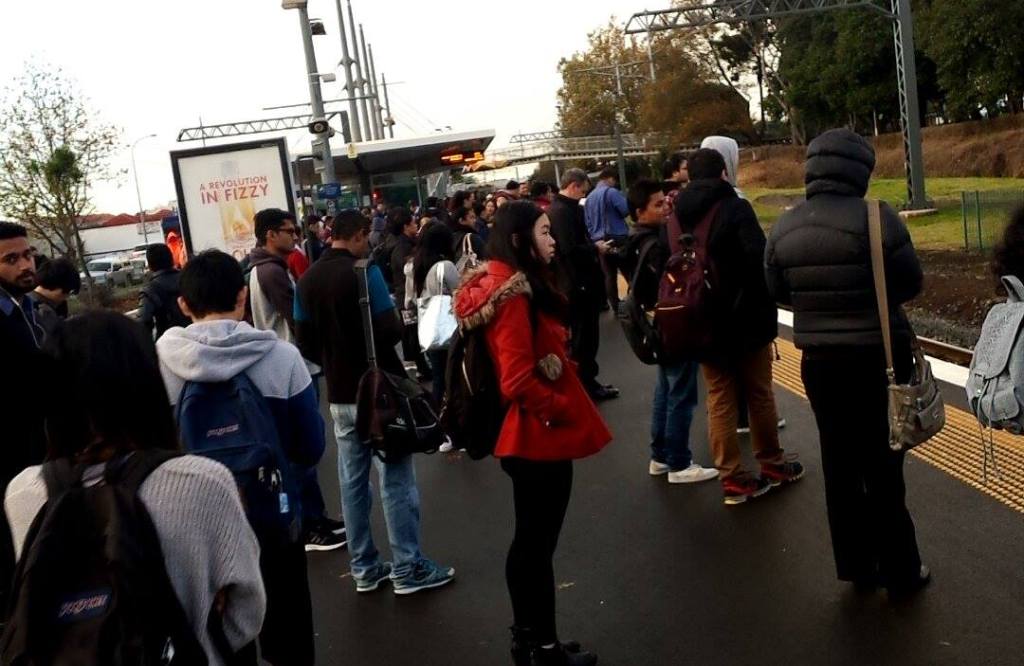
If I was ever elected as a Ward Councillor and lived near the rail line, then Monday to Friday (unless it was a day where I needed to be in the field a lot) I would do as I said. That is rock up to the station each morning with the commuters heading to Britomart, repeat for trip home. And this would be my choice in doing this.
This is while I know a Councillor who chooses to travel by car to and from home and work. But both recognise those choices and the consequences. In doing so we both believe in balanced investment so Aucklanders one day will have actual choice.
Below are two extracts from my Auckland Plan Submission back in 2011 acknowledging what I have said above and what faces Auckland today and for the rest of the 21st Century:
Introduction [Extract]
The “vision” behind the transport proposal in this submission was designed to move away from the Pro-This or Pro-That style of politics that has seen and marred Auckland’s Transport for over fifty years. Thus items about Auckland’s Transport in this submission were designed to recognise that car (especially), bus, truck and rail will be with the city for a long time to come and that people should be allowed travel choice (bearing responsibility and consequences for their choice as well). As a result a more balanced multi-modal alternative transport “vision
The Existing and Historic Conditions of Auckland
Section B (Auckland Now) of The Draft Auckland Plan outlines the existing and historic conditions of Auckland. For the most part this submission agrees with what is outlined in this section – with one exception: Part B (of Section B) – Climate Change and Energy Security.
Again for the most part Auckland (and New Zealand) is vulnerable to energy supply shocks as the city and nation relies highly on imported fuels. However a mix of traditional (fossil fuel) and new (renewable) energy supplies (rather than a skew towards new) need to be implemented to help Auckland make Auckland more resilient to future energy shocks.
Whether one likes it or not traditional energy sources will be with us (Auckland and beyond) until at least the end of this century and the Land Use and Transport ideas mentioned in this submission acknowledge that fact. Measures can be taken to improve the quality of the social and physical environment while traditional energy supplies are still being used. Measures such better fuel quality, better vehicle maintenance and making newer vehicle fleets (that are more fuel efficient and kinder to the environment) more affordable will go a long way in reducing Auckland’s carbon foot print without shocking the economy if more drastic measures were introduced. Sound urban and transport design principles also go some distance in reducing the increasing need for energy and the enlarging carbon foot print. Making sure every residential house is warm and dry will assist in energy consumption being reduced from constant heating and cooling through fires, gas and heat pumps/air conditioning. Sound urban and transport design would allow efficient movement of people and goods – for an efficient transport network reduces energy consumption lost through otherwise inefficient transport movements. Sound Urban design would look at houses and commercial buildings utilising passive means of cooling and heating – again to reduce energy consumption needed for more active modes.
Through natural progression, Auckland will move away from traditional energy sources as new energy sources become more economically viable. I would be against trying to “force” the city away from traditional energy use unless one wants affordability to be thrown out the window, consumers and producers will switch over on their own accord if the alternative is better than the original – it’s all about freedom of choice.
This is how I see the progression through the energy sources (in this case transport) from traditional to new over the next 100 years.
- Traditional (Oil based)
- Hybrids (as a complement not as a replacement)
- Electrics (as a complement not as a replacement)
- Synthetic Fuels (coal based as New Zealand and Queensland have enough coal for at least 100 years)
- Hydrogen fuel cells (as a total replacement for of traditional and synthetic fuel sources)
Mitigation techniques can be done to improve our energy security and the ever changing climate – but it must not send the city backwards as the already unaffordable becomes even more unaffordable.
—–
Source: https://www.scribd.com/doc/74829024/Ben-s-Auckland-Plan-Submission

 Talking Southern Auckland