Category: Hot Discussion

An issue causing hot discussion either here in the blog or in the wider community

National Standardised Zones top off busy week in the Aotearoa Planning Sphere

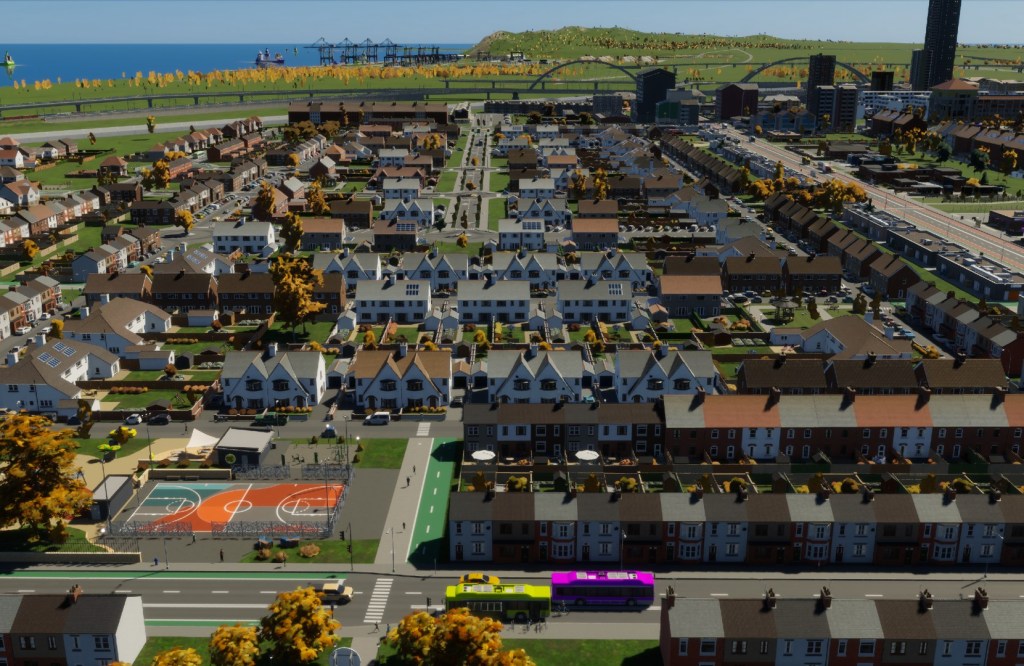
Aotearoa is diving headfirst into the National Standardised Zones (NSZs), ripping apart over 1,000 zoning categories to embrace a mere 17-20, mirroring Japan’s and Victoria’s models. This radical overhaul promises uniformity across cities, but is it truly beneficial? While gamers cherish the consistency of zones like those in Cities Skylines, the real question looms: Will this homogenization in planning stifle diversity and creativity in urban design?
Enhancing Communities through Mixed-Use Urban Planning

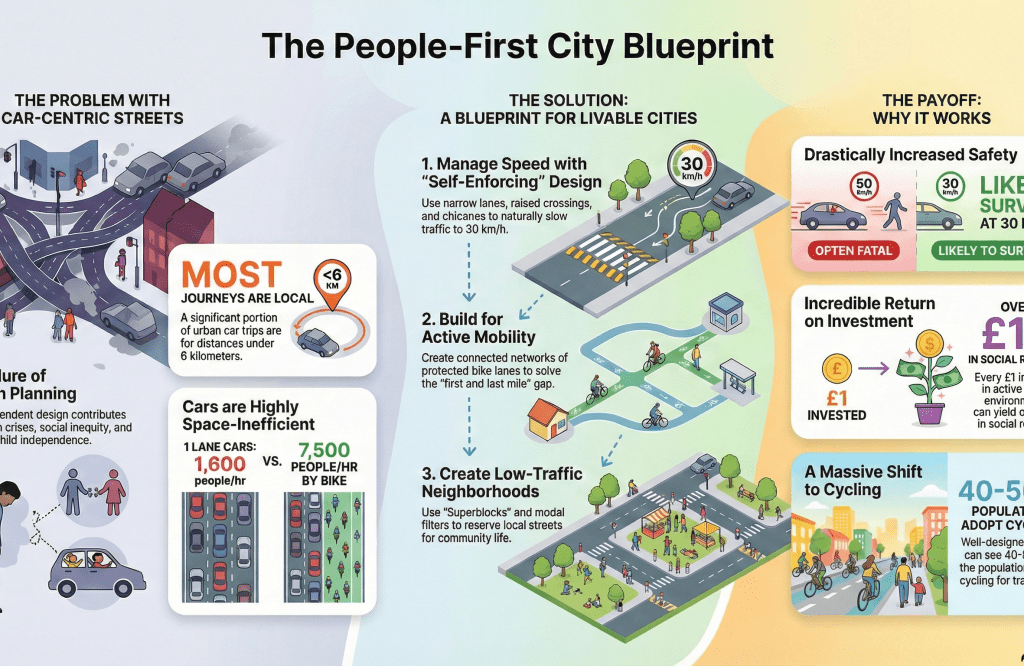
Minister Christopher Bishop champions mixed-use development, citing global examples and touting its benefits for urban areas. He stresses its potential to enhance accessibility to amenities, promote social interaction, and improve transit efficiency. Bishop argues that mixed use can lead to better outcomes in traffic, pollution, productivity, and community cohesion. He also advocates for embracing low-density mixed use through terraced housing. This model integrates commercial or office spaces on the lower floors and residential units above.

TAKE TWO: Regional Rapid Rail, Inter-Regional Planning, and a National Planning Agency. Transforming and Unlocking Places (in the 2020s & 2030s)

A revolutionary vision for intercity rail in New Zealand promises to reshape the landscape and unlock unforeseen potential in the upper North Island. The Regional Rapid Rail proposal, with its strategic goals and outlined benefits, aims to connect major centers, catalyze regional development, and bolster environmental sustainability. By leveraging existing infrastructure and prioritizing integrated land use, the plan seeks to stimulate economic growth while enhancing the liveability of towns and cities. This visionary approach transcends mere transportation, offering a transformative solution for urban connectivity and unlocking untapped opportunities.

Revitalizing National Transport Policy | 2026 Election Proposal and Examples

This scathing critique of the National Transport Policy calls for a new regime with smarter solutions. The author proposes reversing the fuel tax hike, restoring funding to local road maintenance, and implementing congestion charging. They advocate for a shift towards universal RUCs, increased rural road safety measures, and the development of low traffic neighborhoods. The post also outlines strategic public transport projects and warns of industry displacement due to infrastructure upgrades.

Enter Singapore (or Hong Kong): Airport to Botany Rapid Transit Finally? Yes Please

Provocative Summary:
“Enough with the delays and dithering! Let’s bring in the masters to get our transit projects off the ground and out of the public books. With Japan’s expertise in rail and potential assistance from Singapore or Hong Kong, we can finally achieve a reliable inter-city rail and a much-needed Airport to Botany Rapid Transit Stage 2. By keeping costs off the public books and creating vital transit-oriented developments, it’s time to stop dithering and ask for the help we clearly need.”

Enter Japan: Inter-City Trains Between Auckland, Hamilton and Tauranga? Yes Please.

In a bold proposal, the idea of implementing Japan Rail-style intercity services in New Zealand’s Golden Triangle gains significant traction with wide-ranging support, marking a striking shift from its initial lukewarm reception. The plan entails hourly passenger train services, reaching speeds of 160km/h, with a focus on existing narrow-gauge rail infrastructure. Moreover, a comprehensive cost breakdown reveals that the implementation cost is comparable to that of a single major highway project, prompting a provocative question: why not harness the expertise of Japan, renowned for its transit systems, to pioneer this transformative venture?