No – I would call it healthy debate! Yesterday concluded the annual Planning Institute of Australia’s congress in Sydney. The PIA website can be found here while a related … Continue reading Some Call it Dissent?
No – I would call it healthy debate! Yesterday concluded the annual Planning Institute of Australia’s congress in Sydney. The PIA website can be found here while a related … Continue reading Some Call it Dissent?
Saw this which lit Twitter up yesterday:
The announcement is after 12 so I highly doubt it is something to “yank our chain”
So we await for April
As for the EMU’s – the electric trains, they start running on the Onehunga Line on April 28th
This from the Planning Institute of Australia who are holding a very large planning conference in Sydney right now:
So true and something Auckland would like to note.
You can keep tabs on the PIA Congress either through http://www.piacongress.com.au/ or via Twitter @pia_planning
Thinking of Lusi who was a bit of bluster for Auckland and not much use for the Waikato (in the terms of rain needed to break the drought) the question you ask yourself is? “How resilient would you be if Auckland was struck by a natural disaster.” The honest answer for most of Auckland should be (if they are being brutally honest) ‘not at all.’
From Auckland Council
The Resilient Auckland Expo 2014 is on this Friday and Saturday (21 and 22 March 2014) at the Aotea Centre.
The free Expo will give property owners, developers, engineers and businesses a chance to learn from New Zealand’s leading engineering companies and institutions how to better prepare for and recover from natural disasters.
Auckland Council’s Director of Civil Defence and Emergency Management Clive Manley says the Expo is a great opportunity for people to get up to speed with the latest technology solutions.
“Earthquake preparedness is a dynamic area of technological development and I would encourage anyone with an interest to come along.”
Participants include:-
The Expo is on this Friday 21 and Saturday 22 March at the Aotea Centre and is open from 8am to 6pm both days. Entry is free.
For more information, visit the expo website: http://confer.co.nz/resilientauckland/
—-ends—
So again: How resilient are you for coping and recovering from a natural disaster?

Forget Hi-Rise – Focus on Mid-Rise First Serious! High rises (those nine storeys or more in Auckland) can only be done in 11 areas in Auckland; the CBD, nine … Continue reading Humanised Mid-Rise Development

A Theory Behind our Resident NIMBY’s NIMBY’s, love them or detest them they are always going to be there when it comes to Planning. Our most classic … Continue reading NIMBY’s
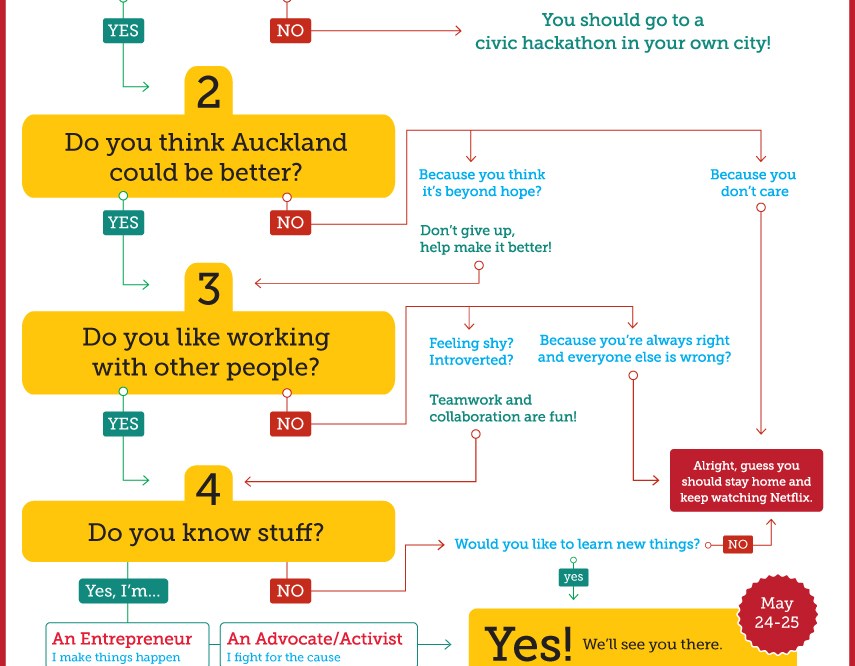
Want to Change Auckland’s Transport for the Better? I caught on Twitter this: We're supporting #HACKAKL:Transport, Auckland's first #civichacking event http://t.co/DkTiBAsnAd — Auckland Transport (@AklTransport) March 13, 2014 Curious … Continue reading Transport Hackathon
From Auckland Council:
Have your say on Auckland’s low carbon transformation
Thursday, 13 March, 2014 – 10:08
Auckland Council is seeking feedback on a plan developed collaboratively to improve Auckland’s energy resilience and reduce Auckland’s greenhouse gas (GHG) emissions by 40 per cent by 2040.
More than 150 companies and organisations have come together to produce the draft Low Carbon Auckland Action Plan, which paints a picture of an innovative, highly-mobile city with a prosperous eco-economy – powered by efficient, affordable, clean energy and using resources responsibly.
“Auckland has a crucial role to play, as cities are estimated to account for up to 80 per cent of global GHG emissions. Low Carbon Auckland therefore sets out a very bold target of reducing greenhouse gas emissions by 40 per cent, ensuring our future energy supply is clean, secure and affordable and that we are using this energy efficiently,” says chair of the council’s Environment, Climate Change and Natural Heritage Committee, Councillor Wayne Walker.
“A fast-growing population, volatile fuel prices and dependence on imported energy are just some of the challenges and opportunities that call for decisive action, smart thinking and innovation. Everyone has a role to play.”
Low Carbon Auckland sets out a 30-year pathway and a 10-year plan of action that will guide the first stage of the city’s transformation. It identifies five key areas:
the way we travel
the way we use and generate energy
our built environment and green infrastructure
zero waste
forestry, agriculture and natural carbon assets.
The plan is open for feedback until Monday 7 April. Aucklanders can visit www.aucklandcouncil.govt.nz/haveyoursay to find out more and to have their say.
The final Action Plan will be adopted in June 2014.
—ends—
A few sizeable PDFs to get through so here they are below for easy reading
.
Yesterday there was a large presentation followed by substantial debate on the roll of active transport (this case cycling) in Auckland. The presentation was given by Generation Zero and the Cycling Action Network (in which I’ll ask for the presentation later today) about our lagging state of the cycling network. The material in the agenda (embedded further down) further outlines the state of our cycling network:
From page 8 and 9 of the Infrastructure Agenda
The Herald picked up further on the cycling situation in their “Paths full, say cyclists” in which even now pedestrians are getting cranky with cycling provisions.
From the NZ Herald:
Council told of pedestrian anger at surge in bike use of shared facilities. Cyclists are starting to feel the heat from pedestrians rebelling against having to share paths with them, Auckland Council members were warned yesterday.In delivering her warning, Cycle Action Auckland chairwoman Barbara Cuthbert reminded the council’s infrastructure committee that pedestrians were “at the top of the hierarchy” of an active transport network.
“You may be hearing – we certainly are – that pedestrians across Auckland don’t want more shared paths,” Mrs Cuthbert said.
“Because now cycling numbers are getting up so high that those shared paths are not pleasant for pedestrians – pedestrians and cyclists deserve their own facilities.”
But Mrs Cuthbert was glowing in her praise of a council staff report recommending a greater financial commitment to cycling while warning that only 40 per cent to 50 per cent of a 900km network of bikeways will be in place by 2020 on current funding.
That compares with about 30 per cent now in place – much of which her group says is disjointed and in poor condition – and an Auckland Plan target of 70 per cent by 2020.
Committee deputy chairman Chris Darby, a cyclist, said other comparative cities around the world but particularly on the Pacific Rim were well ahead of Auckland in developing bikeways which raised public transport patronage by widening the catchment of buses, trains and ferries.
“We have been failing Auckland miserably – cycling is a badge of a smart city and we really need to have that badge on our lapel.”
His comments followed a presentation by Generation Zero youth organisation and TransportBlog representatives, who cited efforts by United States cities to attract young talent by providing safe cycling opportunities.
…
You can read the rest of the article over at the Herald site
Essentially the argument can be nutted down to this:
That is true to a point. Our heavier arterials should have dedicated and separated cycle ways but our smaller streets should be in a position to take cyclists automatically. This might be dropping local roads down to 30km/h and where possible flipping them over to shared spaces to remove the car as absolute priority from the road space.
For more on cycling by Talking Auckland check these related posts:
If someone asks for quick wins in getting some quality cycle and active transport infrastructure up before hitting the big stuff (long distance cycleways) I can think of two places to start:
I will get the resolutions up from the Infrastructure Committee when they come through – most likely Monday if not Tuesday

Environment Defence Society Claims Aid Will Not Be Available While Parliament and political pundits.junkies bore the social media-verse over Judith Collins and spilt milk I caught this release … Continue reading Environment Aid for Unitary Plan Hearings Not Available?
 Talking Southern Auckland