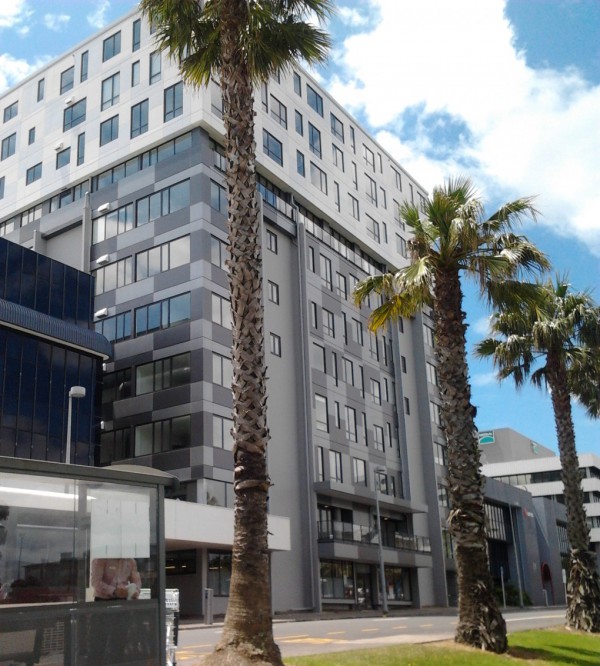
Staving off those NIMBY’s After Environment Minister Nick Smith’s announcement on Resource Management Act reforms the debate has started off promptly. Of course there is many sides to … Continue reading A Key Detail of the Proposed RMA Reforms
Staving off those NIMBY’s After Environment Minister Nick Smith’s announcement on Resource Management Act reforms the debate has started off promptly. Of course there is many sides to … Continue reading A Key Detail of the Proposed RMA Reforms
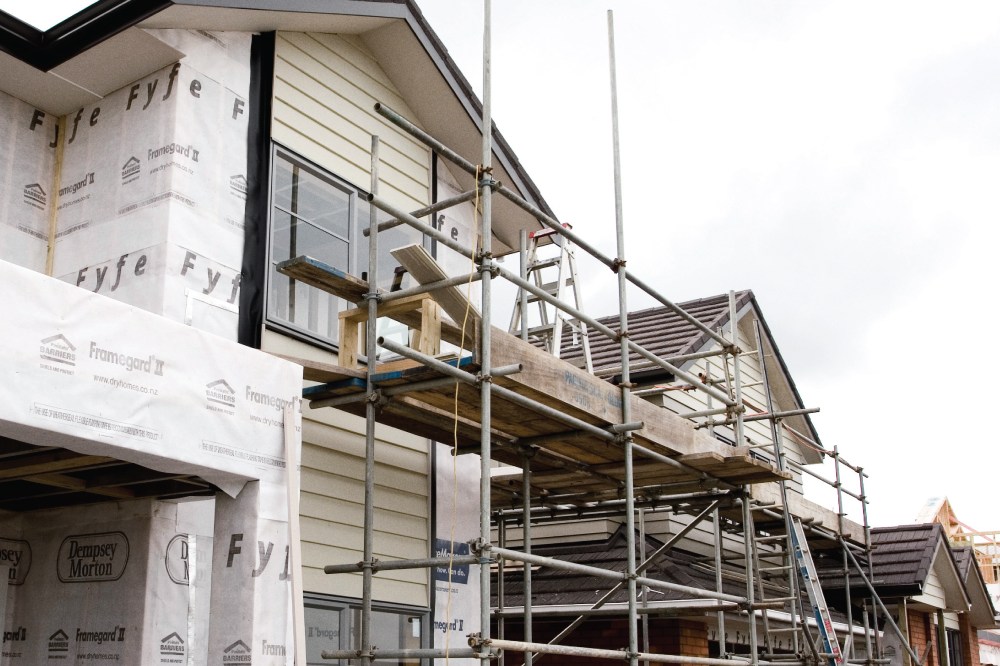
Seems more spin and tinkering than substance Of which is something I have come to expect of this Government Yesterday the Government (through Dr Nick Smith) announced the next … Continue reading Government Announces Next RMA Reforms UPDATED

Two Developers Pay for Breaching the Resource Management Act Silly fools for ending up in this situation after repeated warnings. But you always get some cowboys out there ruining … Continue reading It Pays to Comply
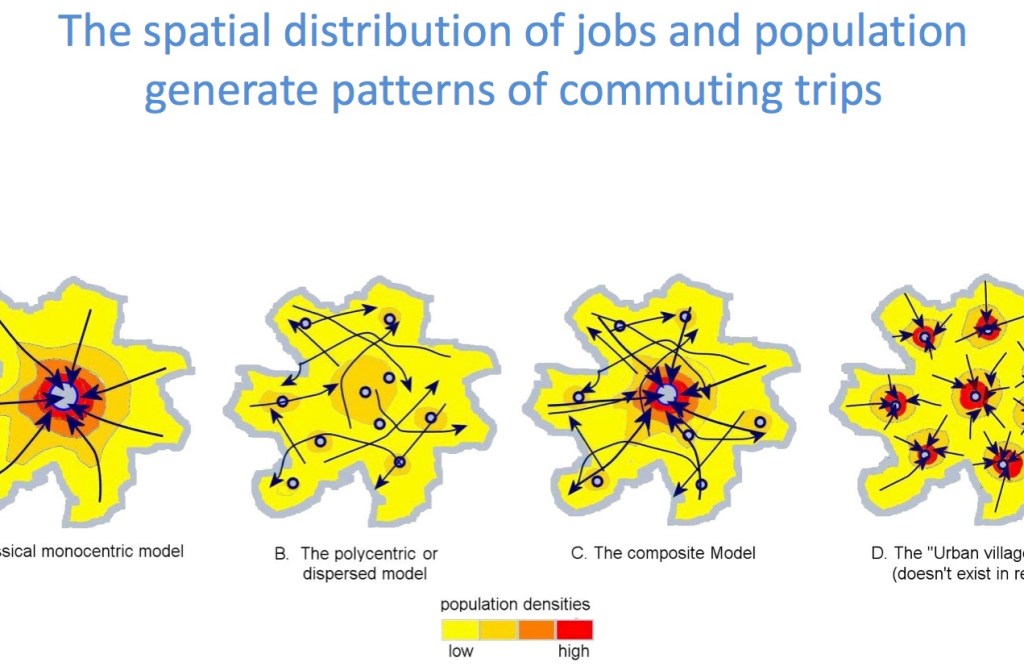
Index to Talking Auckland posts covering wider commuting trending in Auckland I read Peter Nunn’s piece on ‘The Geometry of urban labour markets’ over at Transport Blog and I … Continue reading Quick Reply To “The geometry of urban labour markets”
The march of housing in Auckland continues The Herald ran a thoughtful but half analysis into the sudden housing supply boom under way in Auckland. Of course there … Continue reading The Summer Weekend Analysis: Housing

Investigation and Design I will do my best to keep you apprised of the Pocket Park idea for Lot 59 in Manukau City Centre. Recap: Pocket Park in … Continue reading Further Update on Manukau Pocket Park

Investigation to begin Yesterday I blogged on an idea someone gave on Twitter about establishing a pocket park in Manukau City Centre. From Talking Auckland Pocket Park in Manukau? … Continue reading Update on the Pocket Park in Manukau City Centre
From Auckland Council
Two Whau-based projects have been awarded a combined $14,200 from Auckland Council’s Environmental Initiatives Fund to help care for the area’s environment and protect its heritage.
The Whau River Catchment Trust receives $11,700 went to support the rehabilitation of the coastal bush found at the Kurt Brehmer Walkway in Rosebank Peninsula next to the Whau River estuary.
And $2,500 was awarded to the West Lynn Garden Society Inc. providing a contribution towards an audio/visual system to enhance the community education facility.
Whau Councillor Ross Clow says the awards were well deserved.
“It is clear that there is real passion for preserving our natural environment and heritage in Whau. These two projects will make a real difference to the community, and were worthy recipients of the funding.
“Empowering the local community to help benefit the areas they live is an important part of what Auckland Council does, and I am delighted to see these two deserving projects being recognised by the council.
“I am really excited about them and can’t wait to visit them to see how they are getting on,” he says.
The council’s Environmental Initiatives Fund awarded a total of $634,000 in funding to 133 projects across Auckland with an average grant of $4000.
—-ends—-
Maybe A fellow Tweeter had read my commentary on the Manukau and Otahuhu Transport Interchanges facing six-year delays (see: Updates on the Manukau and Otahuhu Transport Interchange Situation) and asked: … Continue reading Pocket Park in Manukau?
From Albert-Eden Local Board
Albert-Eden Local Board is in the early stages of developing a masterplan for Chamberlain Park and wants to know what users of the park and local residents think.
The board has extended the survey period, which offers Aucklanders the opportunity to provide input into the early stages of the planning process, until 30 January 2015.
Local board chair Dr Peter Haynes says the board has been overwhelmed by the amount of community interest in the future of Chamberlain Park already, and wants to ensure that all groups have the opportunity to provide input.
“This is the first stage of a significant process for the future of the park and it’s important that we start with a clean slate and consider as many ideas as possible.
“Right now, we are faced with a dilemma – the Albert-Eden area has Auckland’s lowest levels of open space with only 2.8 hectares for every 1000 residents.
“We also have almost one third of the region’s capacity shortfall in sports-field provision – this means that, with no real scope to add or improve more playing fields, many players are missing out.
“Projected population growth, lack of suitable land and funds to buy and develop more parks, and the changing needs of our people demands that we make smart decisions about the future use of places like Chamberlain Park.
“We need additional parks and reserves to allow residents to lead active and healthy lives,” he says.
People can complete the Albert-Eden Local Board’s online survey at shapeauckland.co.nz until 30 January 2015. The survey is a first-look at all of the possibilities for the park, including the adjacent Rawalpindi Reserve and the Western Springs Garden site, and asks people’s views on:
In keeping with exploring all options for the park, the survey asks for the public’s views on housing; however the board itself does not support this as a future possibility for the park.
“No decisions will be made on the future of Chamberlain Park until extensive consultation has been carried out. It will consider the interests of all users of the park and the wider community,” says Dr Haynes.
Dr Haynes points out that studies of golf trends indicate a preference for shorter courses with starting-new-at-golf facilities and driving ranges.
“Shorter courses are increasingly popular overseas, and learn-to-play facilities enhance the chances that we’ll see another Lydia Ko emerge in Auckland.
“The demand and market for golfing provision is changing. This is an opportunity to review facilities in light of current pressures for open space and recreation provision within the inner city.”
Once survey results have been collected, options will be developed for further consultation. This is likely to be later in 2015.
Further Information
On behalf of New Zealand Golf, O’Connor Sinclair prepared National and Auckland Regional Golf Facility Studies (2013). The studies identified the following golf course trends and issues. This summary is derived from: “Auckland Golf Facility Strategy New Zealand Golf”. Findings include:
—-ends—-
 Talking Southern Auckland