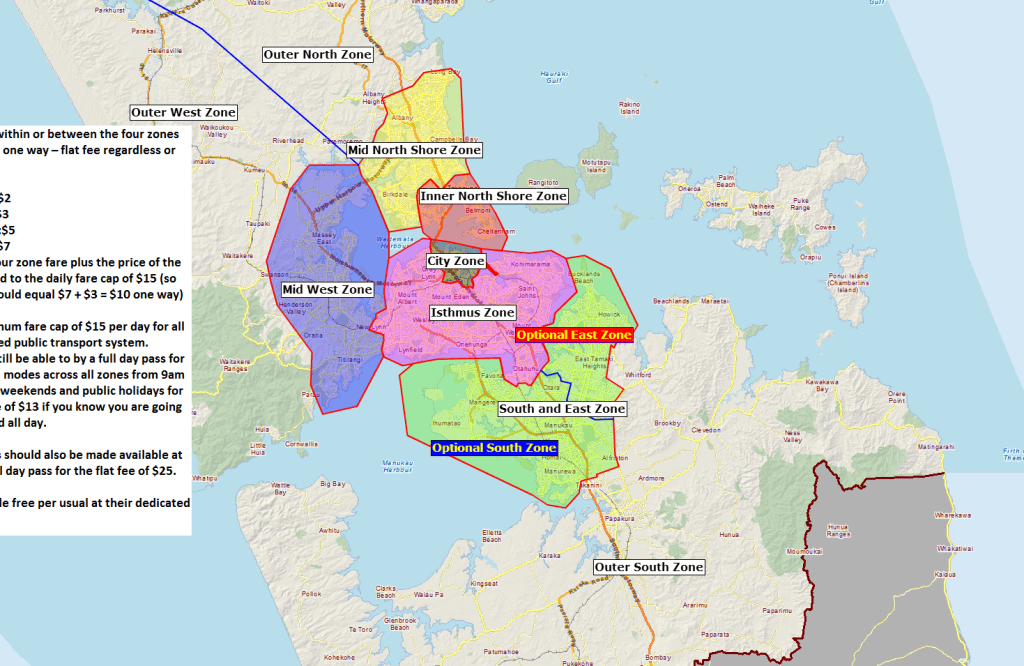
One down, One to go With integrated ticketing now fully in place in Auckland we can start thinking about simplifying the fare structure. Auckland Transport Chairman Dr Lester Levy … Continue reading HOP Roll Out Complete – Time to Simplify the Fares
One down, One to go With integrated ticketing now fully in place in Auckland we can start thinking about simplifying the fare structure. Auckland Transport Chairman Dr Lester Levy … Continue reading HOP Roll Out Complete – Time to Simplify the Fares
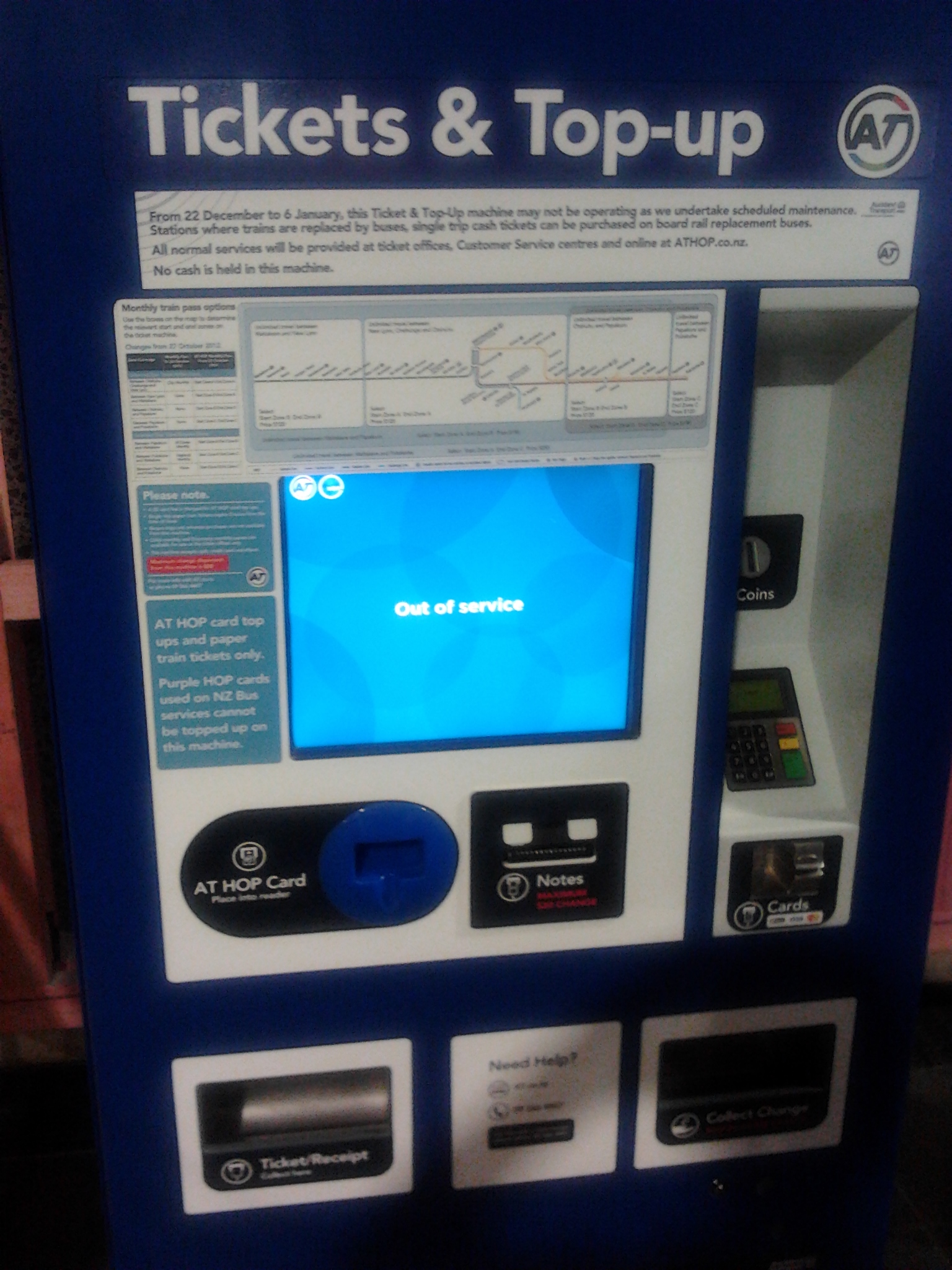
Like Transport Blog (Celebration time, HOP Rollout Complete) congratulate and note the completion of the AT HOP roll out that is now completed. The journey has been very bumpy with all sorts of set backs and stories running around all over the place. In a sense of irony Talking Auckland (through its first inception View of Auckland) was partially founded in reaction to the AT-HOP and Snapper disasters at the time back in 2011. But today a moment to reflect, note, congratulate and celebrate that this roll out of this “universal” Public Transport smart card is complete.
From Voxy
Auckland Transport completes AT HOP rollout
Auckland Transport has completed the rollout of AT HOP, its reusable pre-pay smart card for travel on trains, ferries and buses.
There are currently more than 250,000 AT HOP cards being regularly used by customers around the region.
AT HOP allows customers to use one travel card on different modes of transport and public transport operators.
The card was first introduced on the region’s rail network in October 2012 and has been progressively rolled out since then.
Auckland Transport chairman, Dr Lester Levy, says it is significant for further developing public transport in New Zealand’s largest city. He says the rate at which public transport users have taken to the new system so far bodes well for on-going patronage growth.
“Other transformational projects such as the fleet of new electric trains, improved reliability of all services and a major focus on customer needs and satisfaction levels are other vital elements in delivering a world class public transport system,” he says.
Auckland mayor Len Brown is a regular user of public transport and also acknowledges what a significant milestone completion of the AT HOP rollout is. “The transformation of Auckland’s public transport system is well and truly underway, and the completion of the AT HOP rollout is a critical part of that,” he says.
“I want to congratulate Auckland Transport for delivering this project in such an effective and timely way.”
The project has been delivered in partnership with the New Zealand Transport Agency (NZTA).
Dave Brash, the New Zealand Transport Agency’s group manager of Planning and Investment, congratulates the Auckland Transport-led team on the successful introduction of integrated ticketing into Auckland.
“Making public transport easier and more attractive for people is a key priority for NZTA. So, after seven years of development, and a $73 million investment from the national land transport fund, we’re pleased with the resulting sophisticated platform, underpinned by a national ticketing standard that could support integrated ticketing systems across the country.”
—-ends—-
Source: http://www.voxy.co.nz/national/auckland-transport-completes-hop-rollout/5/185637
I use my HOP card when ever I travel on the train, bus or ferry and I personally enjoy using it with little issue. I detest carrying cash in the 21st Century so AT HOP just makes my life that much more easier when using the public transport system. Integrated Fares are on the way as Auckland Transport works through that and the service tenders (Rail starts next month) will no doubt have Integrated Fare provisions included for our public transport operators. If AT extends the HOP card to their parking buildings as a form of payment as well as one day maybe their Park-n-Rides that would be an extra one up for me (I know they can not start with using AT-HOP for parking yet until the IRD changes its treatment with HOP post June 2015, but we might as well get the ball rolling now in planning). Further more we also have the roll out of the new South Auckland Bus Network starting next year in which all-in-all makes public transport just that much more attractive.
We still have a long way to go with things like the City Rail Link, the Manukau South Link, Pukekohe Electrification, more bus-ways, ridding us of paper tickets for something more robust like Sydney’s card tickets and so on. But lets put that to one side today, this week and take a moment, a reflection of the fact Auckland now has a universal public transport smart card.
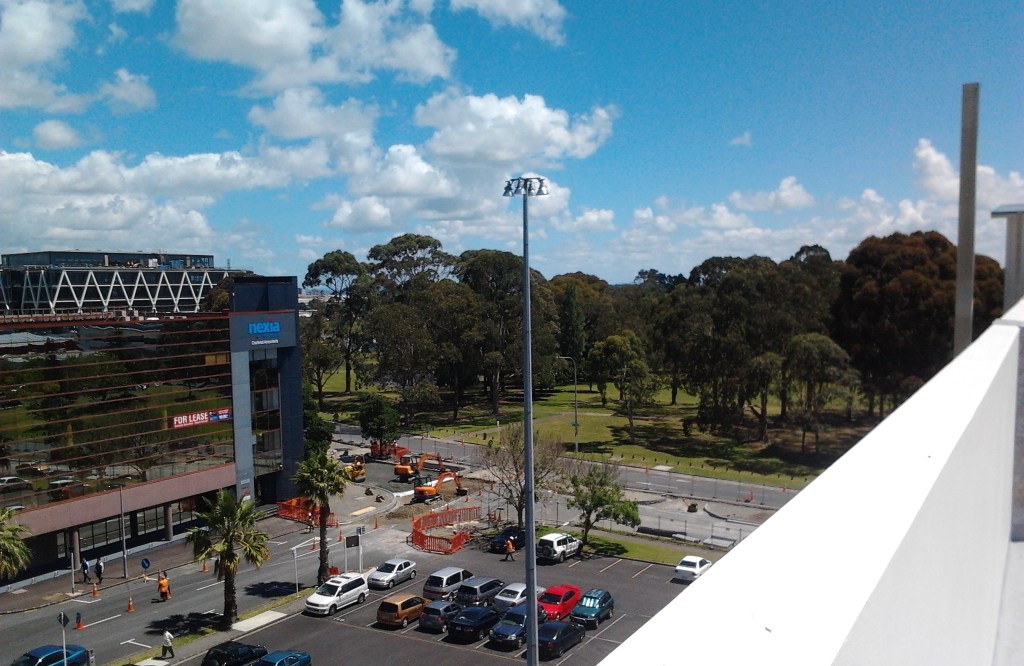
Can it work? The Ultimate Answer? Yes it can. The catch? Need to think outside the square if this is going to work. Recommendation: Do not attempt to even … Continue reading Light Rail and Urban Renewal
When you see this (and similar Tweets) all to often you wonder how resilient is our entire transport network is:
There is an article in the Herald about accident that happened last night which is still having effects NOW can be seen here: Fatal crash in Auckland closes major route to airport
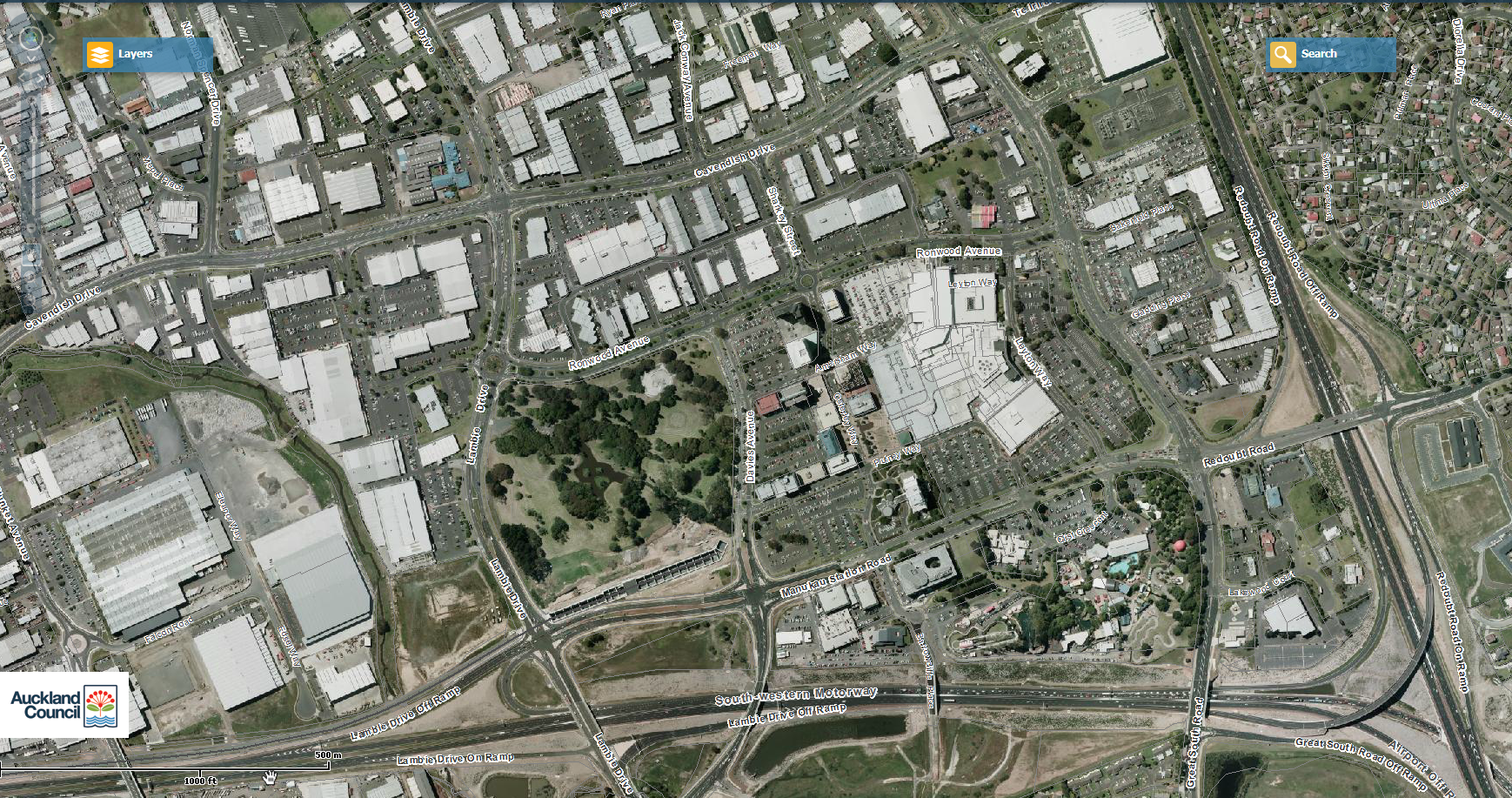
The accident happened on I believe the from north to west link of the State Highway One/Twenty interchange that is known for speeding traffic and useless merging
Having a major route to the airport closed is not particular good. Then again neither is accidents anywhere on the motorway network nor blockages on the rail network and the trains not being able to “run around.” So the question is how do we get the transport network to be more resilient for both freight and people.
Leave your comments below of inclined email me for a guest post spot.
I shall answer the question myself this weekend.
Have a good Friday everyone
Lots of stuff happening Auckland Transport have released their Board Meeting Papers for this month which you can see below. For full details and agenda items please go here. … Continue reading AT Board March Agenda – And Prepare for June
Saw this which lit Twitter up yesterday:
The announcement is after 12 so I highly doubt it is something to “yank our chain”
So we await for April
As for the EMU’s – the electric trains, they start running on the Onehunga Line on April 28th

What not to do in Silverdale It is important to get something done right – usually the first time. The Unitary Plan would be such a case to have … Continue reading When Planning Goes A-Muck
If you have been ever inclined to protest because a Kiwi Rail freighter held you up then spare a thought if you were waiting for these true freighters to clear a level crossing
Union Pacific SD70 (their main locomotives) hauling a long train through a work area (you can hear the maintainers talking to the driver)
And that was just one SD70
Now for some multiple SD70 hauled freight
Just don’t have the volume too high when the train blasts by
And for our serious train fans here is a selection of Union Pacific locomotives of different classes in LA
http://www.youtube.com/watch?v=5N6UMn_kfCo

Kansas City Southern SD70ACe 4034 at Nichoals Yard in December 2009
The SD70ACes are similar to the SD70MAC; however, the model has been upgraded to meet Tier-2 EPA regulations. Production commenced in 2004.[1] SD70ACes are equipped with EMD’s 16-710G3C-T2 prime mover, rated at 4,300 horsepower (3,200 kW).[8] They are rated at 157,000 lbf (700 kN) continuous tractive effort (191,000 lbf (850 kN) starting). Braking effort is rated at 106,000 lbf (470 kN).[8]
Although mechanically similar to earlier SD70 units, the SD70ACe rides on a new underframe and uses mostly new sheetmetal above the frame. Electrical cables and air lines have been routed beneath the walkways on opposite sides, allowing for easy access by maintenance workers. The radiator on the locomotive is nearly as wide as the cab, the center hood section is a step down below the roofline, and the dynamic brakes have been moved to the rear of the hood; these changes are reminiscent of the SD80 and SD90 series. The SD70ACe uses the cab design of late-model SD90MAC units, which uses rectangular window glass and is externally different from the two cab variations used on earlier SD70M and SD70MAC units. In 2008, EMD standardized the isolated cab on subsequent SD70ACe’s after non-isolated cab units were restricted from leading on BNSF Railway due to excessive cab vibration. SD70ACe models are rated at 4,300 horsepower (3,200 kW). As of late, more than 1350 examples of this model locomotive have been produced. Purchasers include BNSF Railway, CSX, Ferromex, Kansas City Southern Railway, Montana RailLink, CVG Ferrominera Orinoco, Union Pacific,Quebec North Shore and Labrador Railway, BHP Billiton, Arkansas & Missouri Railway, and Norfolk Southern.
In January 2012, BNSF Railway announced the order of 10 SD70ACe-P4 locomotives. This engine would compete with GE’s popular ES44C4. These units will have a B1-1B wheel arrangement, unlike the ES44C4’s A1A wheel arrangement. They are set for 2013 delivery.
Source: http://en.wikipedia.org/wiki/SD70
As a comparison a EMD SD70 has 4,300 horse power behind it while our DL’s have a horse power rating of 3,600.
Source: http://en.wikipedia.org/wiki/New_Zealand_DL_class_locomotive
DL’s hauling freight
So next time you are stuck at a level crossing waiting for a freighter to pass by, remember you are not waiting for a long Union Pacific freighter to go through 😉
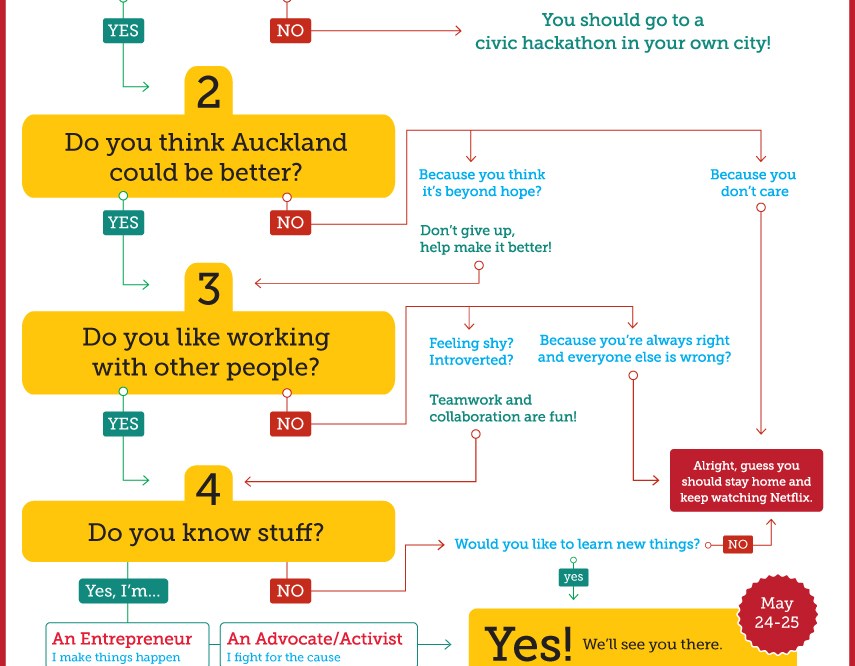
Want to Change Auckland’s Transport for the Better? I caught on Twitter this: We're supporting #HACKAKL:Transport, Auckland's first #civichacking event http://t.co/DkTiBAsnAd — Auckland Transport (@AklTransport) March 13, 2014 Curious … Continue reading Transport Hackathon
From Auckland Council:
Have your say on Auckland’s low carbon transformation
Thursday, 13 March, 2014 – 10:08
Auckland Council is seeking feedback on a plan developed collaboratively to improve Auckland’s energy resilience and reduce Auckland’s greenhouse gas (GHG) emissions by 40 per cent by 2040.
More than 150 companies and organisations have come together to produce the draft Low Carbon Auckland Action Plan, which paints a picture of an innovative, highly-mobile city with a prosperous eco-economy – powered by efficient, affordable, clean energy and using resources responsibly.
“Auckland has a crucial role to play, as cities are estimated to account for up to 80 per cent of global GHG emissions. Low Carbon Auckland therefore sets out a very bold target of reducing greenhouse gas emissions by 40 per cent, ensuring our future energy supply is clean, secure and affordable and that we are using this energy efficiently,” says chair of the council’s Environment, Climate Change and Natural Heritage Committee, Councillor Wayne Walker.
“A fast-growing population, volatile fuel prices and dependence on imported energy are just some of the challenges and opportunities that call for decisive action, smart thinking and innovation. Everyone has a role to play.”
Low Carbon Auckland sets out a 30-year pathway and a 10-year plan of action that will guide the first stage of the city’s transformation. It identifies five key areas:
the way we travel
the way we use and generate energy
our built environment and green infrastructure
zero waste
forestry, agriculture and natural carbon assets.
The plan is open for feedback until Monday 7 April. Aucklanders can visit www.aucklandcouncil.govt.nz/haveyoursay to find out more and to have their say.
The final Action Plan will be adopted in June 2014.
—ends—
A few sizeable PDFs to get through so here they are below for easy reading
.
 Talking Southern Auckland