Nitty Gritty, but Crucial
Once the new Council is sworn in, the Auckland Plan Committee all settled down and its first meeting out of the road we should be settling down to the real gritty stuff of planning otherwise known as Area Plans. What are Area Plans? As I was mentioning at the Generation Zero Micro Conference yesterday (report on that will come out Monday), Area Plans are:
From Auckland Council
Area plans
Auckland Council is embarking on a programme to develop 21 area plans. These area plans are based on the same geographic areas as local boards.
Area plans will:
- help to implement the directions and outcomes of the Auckland Plan at a local level
- reflect local aspirations such as those included in local board plans (where these are consistent with the direction set by the Auckland Plan)
- provide strategic direction to progressively inform policies and rules of the new Unitary Plan, which will eventually replace the existing regional and district plans of the former councils
- inform future versions of the Long-term Plan (which determines council spending over a 10-year period). This will enable the council to prioritise and budget for projects to achieve area plan goals.
Area plans will analyse local issues, challenges and opportunities. Guided by the Auckland Plan and local aspirations, area plans will provide a long-term (30 year) vision for:
- implementing the Auckland Plan at a local level
- identifying the timing of development projects and infrastructure needs
- how we use land to live, work and play
- the size, role and function of town centres
- key transport routes and improvements
- recognition of heritage, landscape, landmarks, and natural features
- social and cultural facilities
- public open space
- local business and employment opportunities.
—–
If the Auckland Plan and Unitary Plan were daunting owing to its City-wide overview but you still want to be involved in City Building at a localised level then Area Plans will be for you.
Thus I recommend you register your “interest” to the Council on Area Plan development here:
See also
You do not need to be a planner to participate in Area Plan development (when your area comes up). You are already an expert as you either live, work, conduct business, or all of the “above” in the area that will come under the Area Plan and I have no doubt you will have ideas on what you would like to see – or how you would like to see your area develop over the next 30-years. So don’t be put off when your Local Board comes up for Area Plan drafting.
What you do need to be aware of though is that originally the Area Plans were meant to be done over a six-year time period. However it is becoming apparent (at the moment) that the Mayor has ordered the timetable to be compressed into this current term of Council – if not faster. The compressed timetable will mean all hands of deck once the Area Plan process gets going.
In saying that I might kick an email to Council Comm’s requesting a series of Area Plans for Communities 101. The purpose would be that Area Plans are explained in plain English on what they are, what they do and can not do, and how communities and individuals can participate. All this is owing after confusion from the community when the Unitary Plan came out for its first round of feedback between March 16 and May 31 this year. The confusion left people angry and Council scrambling to fix the error. It also made for some long days getting Talking Auckland Blog posts up on the issue as well. So my recommendation would be let’s pre-empt this and get some open days and forums going with the respective community when their turn for an Area Plan comes up. It will make things a whole lot easier for ALL OF US (just like Council and the New Zealand Planning Institute are running events to help with formal Unitary Plan submissions).
So grab a pen and some paper and jot down what you would like to see in your local community. Or for some of us how would you like the (local) Metropolitan Centre (Papakura and Manukau for us in the South) as the beating heart to “be like.” It all starts soon.
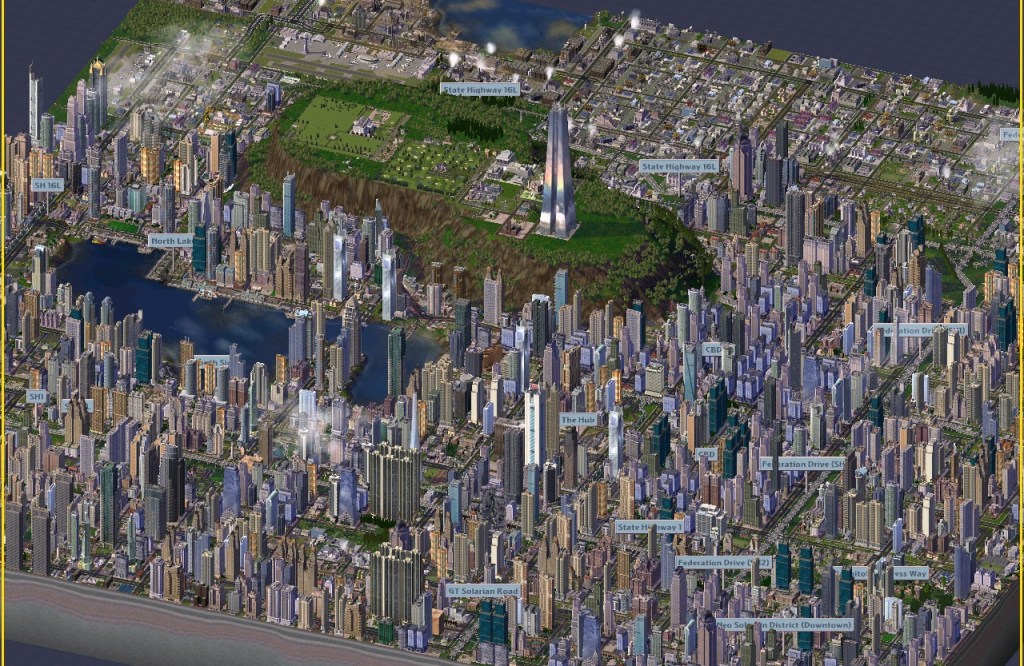
All aspects of planning – whether virtual/simulation or real life




 Talking Southern Auckland