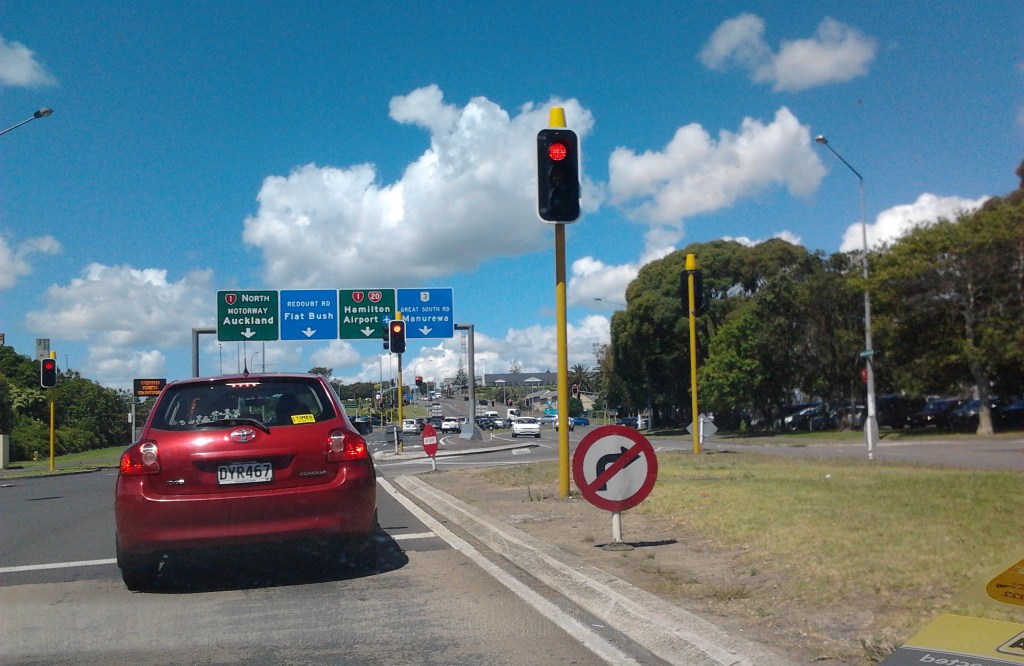
Time to Restore the People to Auckland
But also maintain efficiency
Long story short we know Auckland and its current urban design and transport planning policies are straight out of the United States 1960’s play book where the motorway and car are still are king (East-West Link as an example). As a result the people who make up our City are relegated to literally second class citizens – in their own City! Now in this post I am focusing on speed and not physical infrastructure. Again this list is not exhaustive but it is a good starting point. At the same time (and this is where others can fail) is that the car and the truck will be with us until the end of the century at least and both have their uses for moving people and freight around. Thus I am not in the mood for swinging the pendulum from one extreme of where we overtly penalise the people to the other extreme of overtly penalising motor vehicles. Both can be catered for and done so that allows efficiency of movement (efficiency has safety built-in) (and often for the car and truck it is more efficient to move at a slower but constant speed than “faster” speed which has stop start jerking motions). So lets see what speed limits should be in place for Auckland’s road network.
Suggested Speed Limits
Local Roads (often marked white on a road map)
This is your local residential roads that are not “thoroughfares” and often cul-de-sacs. These roads are for the local residents to get to and from their home to a thoroughfare road or arterial.
30km/h and were possible declared as shared spaces (so people have “right of way” (within reason) on the road). A question will have to be raised with the residents of that street and the respective Local Board on regards of installing speed bumps if there is a case of petrol heads in the area – or a case of people using the road a short cut as they pose hazards to the people in the area especially as we have in my street lots of kids playing on the street in these Summer months. Sorry I have no time nor respect for people using a local road for their V8’s as a drag way.

Thoroughfares (often marked yellow but not with the thick black border on road maps)
These roads carry traffic across medium distances and often feed that traffic into both arterials and local roads. Easiest way to find a thoroughfare is that it has a painted centre line.
50km/h – so status quo. The only thing I would recommend is physical infrastructure improvements with off street parking and cycle ‘lanes.” But that is already covered in my “Cycling Accident Leaves Larger Questions To Be Answered”
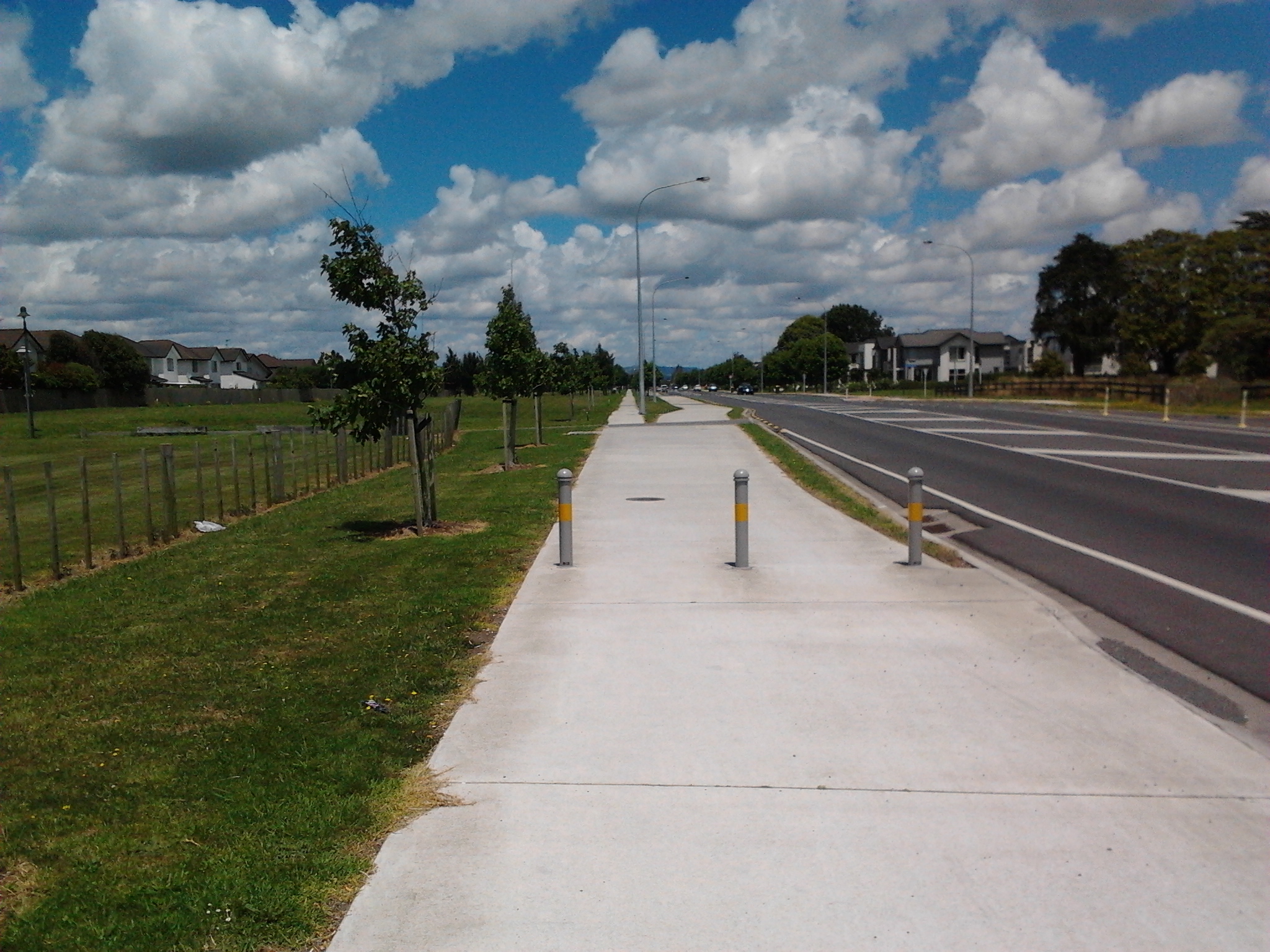
Arterials – 2 lane – through residential, commercial and industrial areas (marked yellow with a thick black border on road maps)
Same as thoroughfares – 50km/h
Arterials – 4 lane (marked yellow with a thick black border on road maps) (does not include expressways)
60km/h with improved pedestrian and cycling infrastructure. The 60km/h speed limit also removes existing 70km/h speed limits that might have otherwise applied. The 60km/h speed limit on the larger arterials brings us into line with South East Queensland which has a better road safety record than we do. Providing adequate cycling and pedestrian infrastructure is also provided the 60km/h limit is where the efficiency trade off kicks in for both cars and trucks as well as pedestrians and cyclists. But for an arterial to be moved to 60km/h off 50km/h adequate pedestrian and cycling infrastructure must be provided first. This includes but not limited to separated cycle ways and frequent refuge islands for crossing the road. So not a lot of roads will be shifting to 60km/h any time soon with our poor rates of providing the required infrastructure.
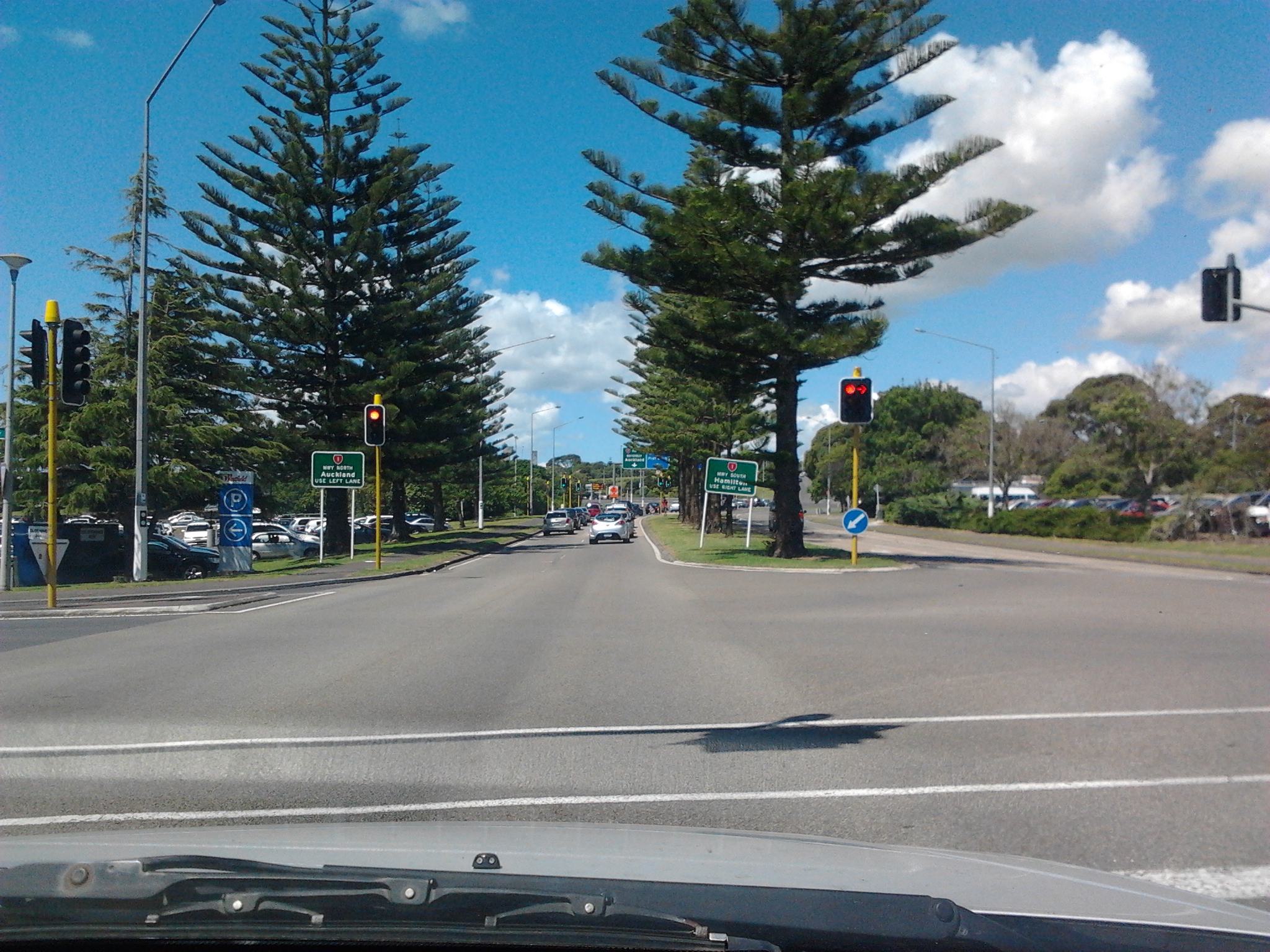
Expressways – the South Eastern Highway and if built the East-West Link
80km/h as your walking and cycling infrastructure should be separated from the carriageway. The Waikato Expressway can be maintained at a full 100km/h as it runs a median barrier.
Motorways
Three different limits depending on infrastructure and congestion:
- Between Mt Wellington and Newmarket Viaduct (Southern Motorway), Great North Road Interchange and Central Motorway Junction (North Western Motorway), Albany and Harbour Bridge (Northern Motorway): 90km/h
- All other parts of the motorway network that does not have the 90km/h limit or existing 80km/h limit imposed: 100km/h
- Southern Motorway from Manukau to Bombay Hills, and Northern Motorway from Albany to Orewa: 100km/h however, once the Takanini Interchange is upgraded I would consider a full study to see if both sections of motorway can support 110km/h which again brings us into line with Queensland. The study would see if it was viable to move to 110km/h or keep it at 100km/h.
Rural Roads
Unless already at a lower speed limit then 90km/h owing to the fact our roads are goat tracks and unsafe to maintain 100km/h. That said if you have a set up like the Maramarua bypass then the limit can be moved to 100km/h for that stretch.
Town and Metropolitan Centre Roads
Main street(s) and “local roads” that go through as well as within our Town Centres and both Metropolitan and Super Metropolitan Centres: 30km/h and if possible as shared spaces. Note this does not include any arterials such as Cavendish and Lambie Drives which have the 60km/h limits. That said improvements (which is being done in Manukau City Centre) to pedestrian and cycling infrastructure needs to be provided. My continued Manukau Concepts work will illustrate how speed limits and physical infrastructure would work for a place like a (Super) Metropolitan Centre as I can continue to develop it.

Feel free to leave your thoughts and comments below on what you think. My main focus is around the Local Roads and Town/Metropolitan Centres for the time being. Arterials and motorways can be looked at a later day.
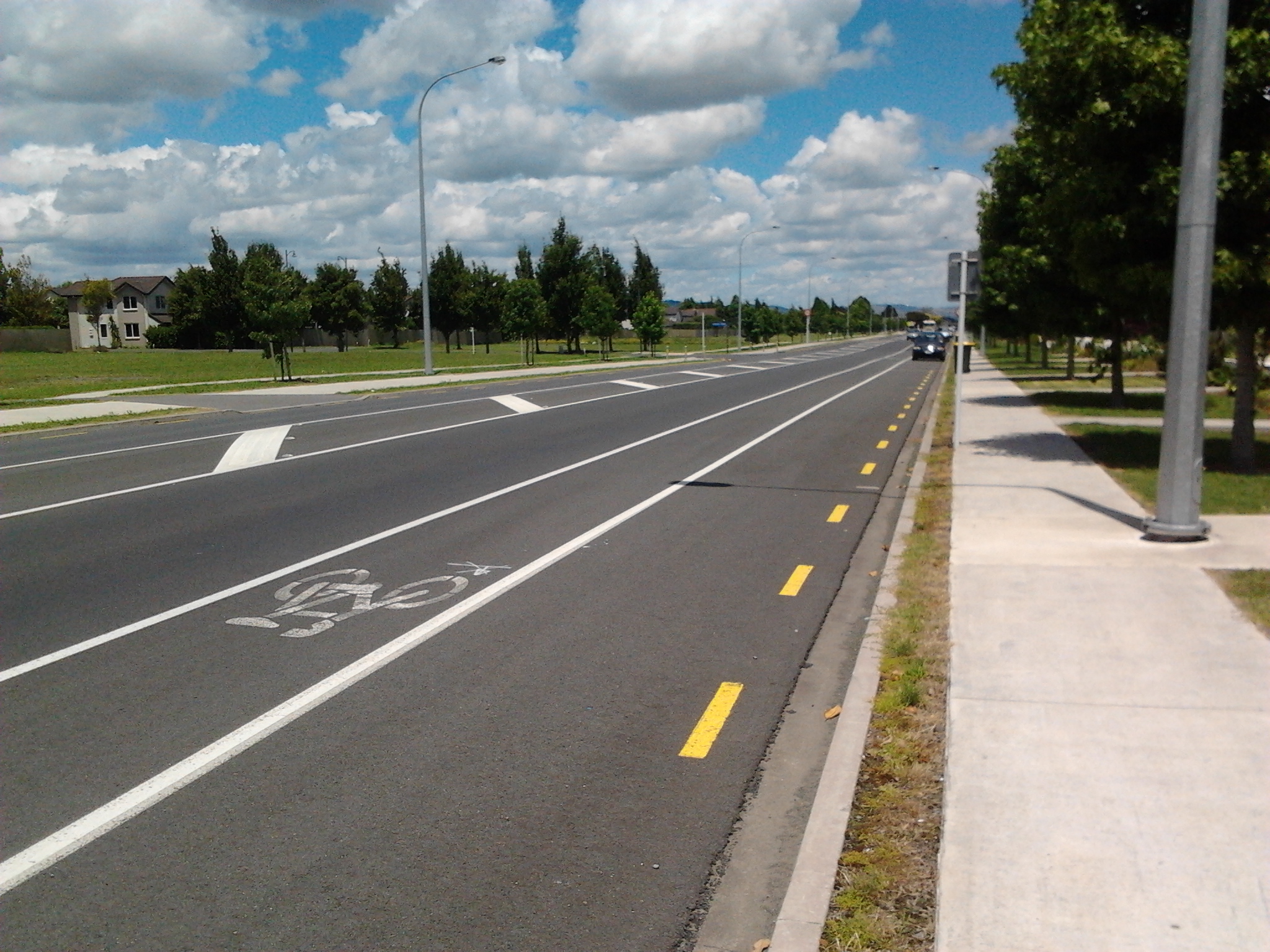

 Talking Southern Auckland
Roads would be a lot safer if footpaths were kept clear. ie. No parked cars on footpaths or partly on footpaths and partly on the road.
Footpaths are for pedestrians to walk on not for vehilce parking.
Parking cars etc on footpath sforces walkers to either walk out onto the road to pass that vehicle or go through the long grass on the verge.
Also install more speed humps in residential areas to slow traffic.
CRD