Originally posted on Imperator Fish:
Embed from Getty Images The New Zealand Taxpayers’ Union is outraged at the scandalous behaviour of Auckland mayor Len Brown. The people of Auckland deserve…
Originally posted on Imperator Fish:
Embed from Getty Images The New Zealand Taxpayers’ Union is outraged at the scandalous behaviour of Auckland mayor Len Brown. The people of Auckland deserve…
From Auckland Council:
A restricted fire season for rural areas in the Auckland region will be implemented from 15 December. Lighting an outdoor fire on rural land is still possible but a permit is required for fires in the open air.
A total fire ban is now in place for all Hauraki Gulf Islands.
With summer on its way the days are growing longer and warmer which means fire risk increases. All outdoor fires need to be carefully managed to prevent the spread of fire.
“Conditions are very windy for this time of year and last week there were a number of fire incidents around the region due to controlled burns getting out of control,” says Auckland Council Principal Rural Fire Officer Bryan Cartelle.
Council will be issuing fire permits in Auckland’s rural zones which include farms, forestry areas and large blocks of land. Permits are free of charge.
Auckland Council is introducing an Outdoor Fire Safety Bylaw to manage the risk of all outdoor fires in both rural and urban areas. The bylaw will continue with seasonal restrictions but also gives guidance on the types of fire and fuel allowed with an aim to protect people, property and the environment from the risk of fire. The bylaw is due to come into effect on 20 December.
For information on fire safety and tips for the safe lighting of open air fires call Auckland Council on 09 301 0101 or visit aucklandcouncil/ruralfire.govt.nz
Anyone who sees a suspicious fire should call the fire service immediately on 111.
—ends—-
It is a reminder if you cause a fire that results in the fire service attending the Fire Service can ping you for “costs”
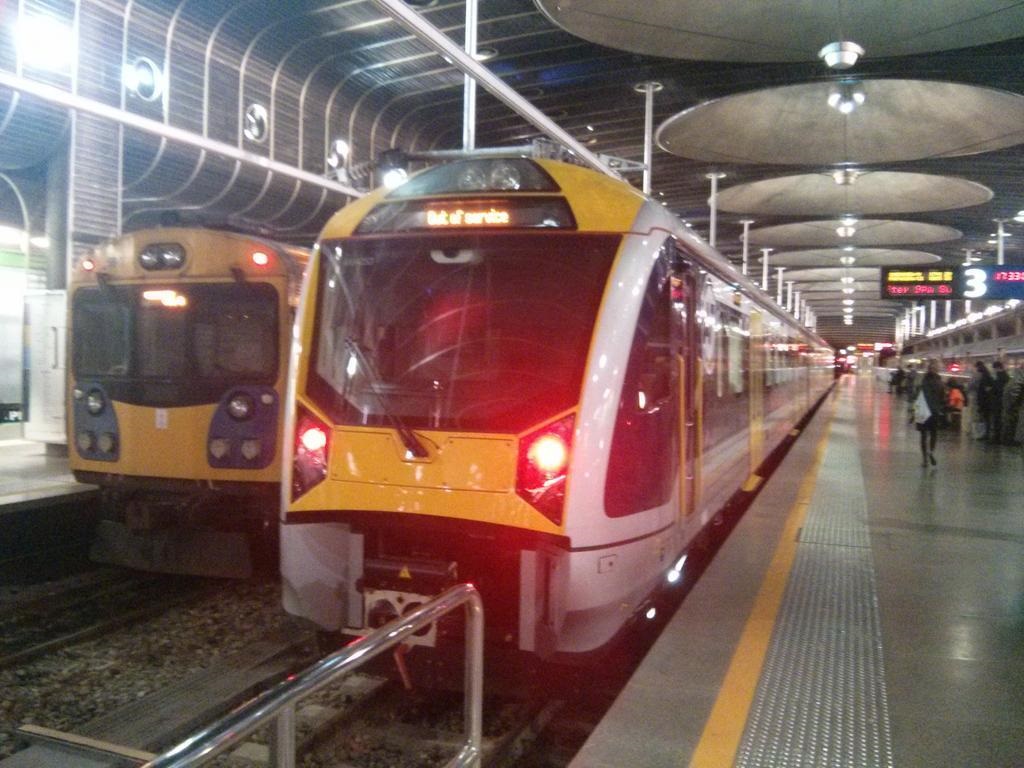
On Tuesday the Governing Body will meet in an extraordinary session to work through the amendment the Mayor will be tabling around the City Rail Link
The Presser from the Mayoral Office on the Situation:
Following discussions with Audit NZ, the Mayor is proposing an amendment in Council’s draft Long-term Plan 2015-2025 on the timing for construction of Auckland’s number one transport priority – the City Rail Link (CRL).
In its draft budget, Council has the CRL project commencing in 2015/16, based on an assumption government’s funding contribution for the project would also start next year, five years earlier than government has so far indicated.
On Tuesday 9 December, council will consider changing the assumption of timing of the government contribution to 2018/19. This will mean enablement works of $280 million will still take place in the first three years of the plan, but construction will not start until 2018/19. This will also delay the completion date to 2023.
Mayor Len Brown says:
“We have a track record of success with central government when it comes to the CRL – we have moved them from a position of total opposition to one of commitment for funding half the project from the year 2020,” says Mayor Len Brown.
“Yes, we still have to work with government on final timing, but I’m confident we can come to an agreement and get on and get this job done.
“I understand why Audit NZ feel that we need to take a more conservative approach to our financial projections and I am proposing that we develop the LTP based on a later timing of government contribution.”
Public consultation on the draft LTP begins January 23 next year. The final plan is due for adoption June 30, 2015.
—-ends—-
Now our Deputy Mayor did say this in response:
City RailLink to be put back by a couple of years. Disappointed that the government are taking so long to catch up with the Auckland reality which is that the link is vital to the economic future of our region. 30 years of waiting have made the 2-3 year delay tolerable but we have work to do with the relevant ministers to get the timing and the funding sorted.
….a deadend train station cannot generate the PT numbers without more trains in service! Auckland is 1/3 of New Zealand time the government treated us fairly.
My response was this:
Sorry to say Penny but the 2018 main project start date has long been predicted. Regardless of having the engineering capacity ready (which according to NZTA is 2018 any how by the looks of it) the extra three years would allow the financials that werent tolls or extra taxes to be sorted.
Recommendation: Pass a Notice of Motion on Tuesday that would allow no preference in funding options as “suggested” by the Council. But rather allow the ratepayers to pick an option of their own choice or creation (or even a do nothing) and the Governing Body to consider them all then put in place for the LTP in July next year.
Recommendation 2: Pass a Notice of Motion to overrule the Finance and Performance Committee in selling Lot 59 land in Manukau. Hold on to that land and allow the Development Auckland CCO to decide in September 2015 when it is onstream. I have a LGOIMA away with Council in anycase around the Manukau Interchange any how to see what the status of it is seeming AT is conflicted in either building it next year or having it delayed until 2021 owing to “budget cuts”
Note none of this disables the progress of the enabling works Downtown which should be budgeted for by now. But rather the main project in line with expectations and getting the actual alternative funding sources properly sorted (that yes I have presented on at the ADC in October)
Those Notice of Motions would respect the intelligence of the citizenry and allow us to decide how WE are to fund these transport projects. NOT what the Mayor wants and tries to shimmy on us through a perceived option of choice which is nothing but tokenism.
So if any Councillor has their wits about them they would introduce those Notice of Motions tomorrow and get them passed. Or Council will find a very hostile City come March next year when the Long Term Plan submissions close.
The Government has effectively come to the party, the Auditor General has made her ruling to which Council must oblige. Now respect our intelligence and allow us to choose the funding mechanisms freely seeming we are the ones in the end paying for it…
A declaration. I don’t hate journalists and many are my friends. Many are decent people with great ethics who can still their job and tell their stories. I have a love-hate relationships with them.
I love those who actually spend time on a decent investigative work. I admire their language abilities and their abilities to keep asking questions. I admire those who can break a story that is both mind blowing and have an important impact.
Then you have those who are lazy and will only copy and paste your media releases. Any PR person out there will tell you they exist. Then you have those who, with their creative writing styles, write stories.
I don’t know if that is actually taught at journalist schools at all, but journalists who couldn’t even be bothered to build a relationship with you, even if it was just to get you to speak…
View original post 75 more words

Tourism Hotspot for Auckland and Especially Southern Auckland? The financials around this project will earn the ire as noted in an earlier post about the Manukau Water Rafting facility: … Continue reading The Sunday BBQ: White Water Rafting, It’s Tourism Potential Is There

Main Project Start Date was as predicted but still a win for Auckland As it was picked up in the presser yesterday the Mayor will be putting forward … Continue reading The Weekend Analysis: CRL 2018 Start Date Still a Win for Auckland
A more surprising presser hit our inbox(es) late this afternoon. It is on the City Rail Link and the start date for the main project (i.e not the enabling works).
From Auckland Council – specifically the Office of the Mayor:
Following discussions with Audit NZ, the Mayor is proposing an amendment in Council’s draft Long-term Plan 2015-2025 on the timing for construction of Auckland’s number one transport priority – the City Rail Link (CRL).
In its draft budget, Council has the CRL project commencing in 2015/16, based on an assumption government’s funding contribution for the project would also start next year, five years earlier than government has so far indicated.
On Tuesday 9 December, council will consider changing the assumption of timing of the government contribution to 2018/19. This will mean enablement works of $280 million will still take place in the first three years of the plan, but construction will not start until 2018/19. This will also delay the completion date to 2023.
Mayor Len Brown says:
“We have a track record of success with central government when it comes to the CRL – we have moved them from a position of total opposition to one of commitment for funding half the project from the year 2020,” says Mayor Len Brown.
“Yes, we still have to work with government on final timing, but I’m confident we can come to an agreement and get on and get this job done.
“I understand why Audit NZ feel that we need to take a more conservative approach to our financial projections and I am proposing that we develop the LTP based on a later timing of government contribution.”
Public consultation on the draft LTP begins January 23 next year. The final plan is due for adoption June 30, 2015.
—-ends—-
In the 2012-22 LTP we assumed central government funding would commence from the year 2015-16 and the financial data for the 2015-25 LTP has carried that assumption through. The consultation document has been written with three alternative scenarios set out for public consideration:
Scenario One
Financial information
| $ million Year ended 30 June |
Prior years | 2016 | 2017 | 2018 | 2019 | 2020 | 2021 | 2022 | 2023 | 2024 | 2025 | Total |
| Capital expenditure | 178 | 156 | 267 | 432 | 438 | 425 | 481 | 102 | -88 | 2,391 | ||
| Government contribution | 0 | 167 | 133 | 216 | 219 | 200 | 194 | 51 | -44 | 1,137 | ||
| CRL related closing debt | 163 | 155 | 295 | 528 | 778 | 1,047 | 1,318 | 1,343 | 1,271 | 1,243 | 1,215 |
Assumptions
Financial impacts
Scenario Two
Financial information
| $ million Year ended 30 June |
Prior years | 2016 | 2017 | 2018 | 2019 | 2020 | 2021 | 2022 | 2023 | 2024 | 2025 | Total |
| Capital expenditure | 178 | 145 | 177 | 78 | 319 | 372 | 416 | 464 | 201 | 137 | 2,488 | |
| Government contribution | 0 | 0 | 0 | 0 | 305 | 186 | 195 | 184 | 101 | 68 | 1,039 | |
| CRL related closing debt | 163 | 316 | 510 | 614 | 658 | 882 | 1,081 | 1,340 | 1,428 | 1,490 | 1,487 |
Assumptions
Financial impacts
……………
Again a simple explanation on how the City Rail Link works:
A Simple But Not Exhaustive Explanation of the City Rail Link
The City Rail Link and Auckland
As I explained to Rebekka’s dad the CRL works on the following premises:
As of current all Western Line trains run from Waitakere, Swanson and Henderson into Britomart on a trip that takes around an hour. Those trains must pass through Newmarket where there is a 3min stand down as drviers change ends to allow the Newmarket to Britomart leg of the trip.
The Western Line as a result mixes with the Southern Line and Onehunga Line trains causing congestion. To make matters worse those trains then get caught outside Britomart as they mix with Eastern Line Trains causing delays and congestion.The CRL would allow Western Line Trains from Mt Eden to travel down the 3.5km tunnel to Britomart skipping Newmarket and thus not running into Southern, Eastern and Onehunga Line Trains as a result. We also get two new stations on the CRL including Aotea which is going to be the busiest being in the middle of the CBD itself.Time savings go from 60mins to about 43mins there about from Swanson to Britomart via the CRL as a result. You will still get Swanson to Newmarket services that will then continue either on to Onehunga or even Papakura – the South to West services.As the Western Line services are removed from the Newmarket-Britomart leg this frees track space for Eastern, Southern and Onehunga Line trains allow their frequencies to go from 10mins to 5mins in the peak of peaks. This means a train from Papakura every 5mins in the peak if so needed. Result? Capacity increases and the allowances of new lines such as Airport and the North Shore (Botany would be serviced by a Sky Train concept).
That is how the CRL works – it services the bulk of Auckland….
………….
So a 2018 start date for the main project with the enabling works to start as soon as feasibly possible.
That date I have widely touted as a start date for the main project (2017-2018) since I wrote my Auckland Plan submission in 2011. The logic moving the main start date to 2018 in the agenda paper seems consistent in part to the reasoning I used for a 2018 start date for the main project.
It is good to see (although other questions on why so long to move the main start date to 2018 do come up) the Mayor seeking the amendment for the CRL start date via the 2015-2025 Long Term Plan. Now to get the true alternative funding sources that are not extra rates nor tolls sorted by 2018….
Next move falls to us the ratepayer and conversely the Government as well for their funding share…
It will be interesting to note where this goes.
PTUA by the looks of it are focusing in on the end user campaign while other groups have sorted themselves around the planning/engineering systems as a main diet (it does not stop them going into end user consumer systems however).So the question will end up being the partnering up when say a public transport project is on the blocks that would enhance end user experiences.
The Manukau South Link would be a small example.Talking Auckland will be watching closely indeed, especially if the comments from a core Transport Blog writer are anything to go by
 I am pleased to be a part of the founding of New Zealand’s newest transport advocacy group, the Public Transport Users Association (PTUA). I was elected Deputy Chair at the Initial General Meeting on 20 November.
The purposes of the PTUA (from its constitution) are to:
- Represent current and future users of public transport in New Zealand
- Be a politically independent and critical voice on public transport issues
- Hold public transport providers to public account; and
- Advocate for better, more efficient public transport on behalf of users
View original post 367 more words

Note changes for Southern and Eastern Line The new rail timetable starts Monday. Please note the changes as Eastern Line services will terminate at Manukau and no longer Papakura. … Continue reading New Rail Timetable Starts Monday
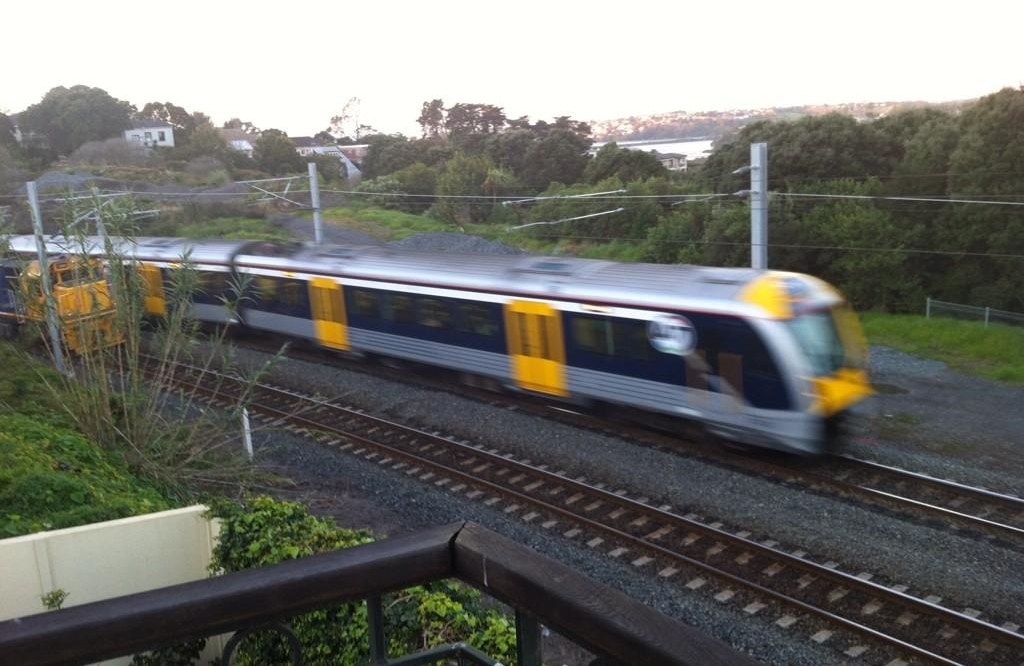
Take note As usual we have our Christmas-New Years Block of Lines on the rail network. From Auckland Transport: Future works on the Auckland rail network In order to … Continue reading Rail Closures over the Christmas Break


 Talking Southern Auckland