Supply Chains = Economic Development = Actual Planning
So, am I the city booze baron, cereal king, the franchise owner of the local joint selling tasty burgers and chicken wings, OR the local City Planner who ensures that local City Plan actually enables those aforementioned industries?
Recently I was asked about how Economic Development flows onto my desk as a Senior Policy Planner (Land Use Planner). The two short answers were:
- Economic Development is one of my wheelhouses I can engage in as a Planner as a whole
- Economic Development is encouraged or hindered at Policy Planning level aka what does your Unitary or District Plan enable or rather disable land use wise.
The picture below sums up Economic Development being part of the suite Planners like myself will be engaged in.
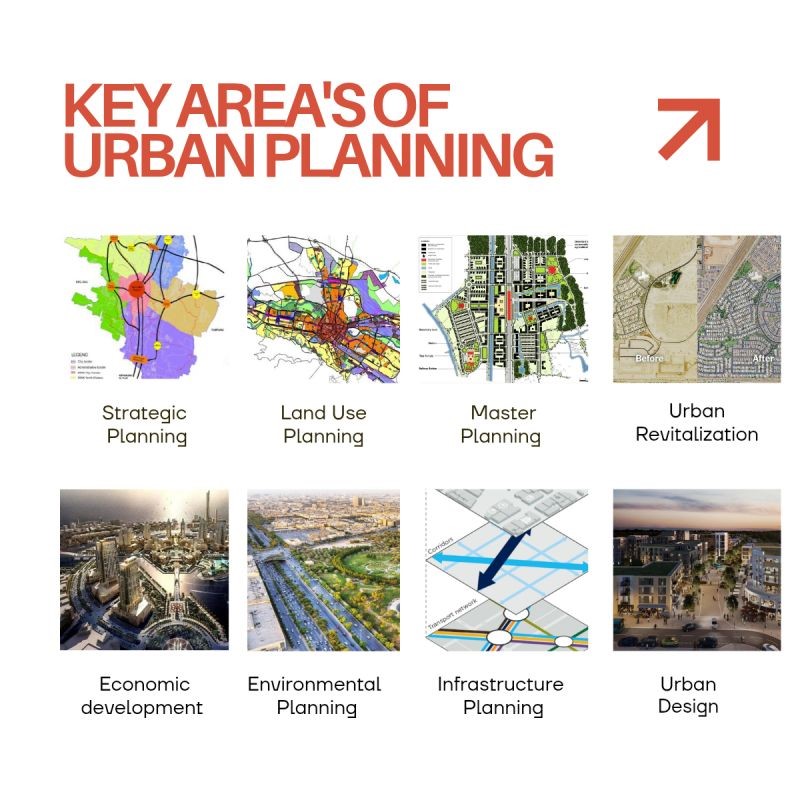
So, when one’s Economic Development team wants to assist a new industry or three (e.g Grain and Cereal, Livestock Processing, and Beverages) looking to establish themselves in the area, it is off to the Planners they go to see if it can be made to work. This is given the Planners (including Consenting Planners) are often the stewards of the city, district or region’s land use plans. And for it to be all effective your Planner is or should be engaging in at least two if not all aspects of planning in the above picture if you want the new industry or business to establish itself.
The other method is that your Planner (or rather City) becomes the local Cereal King, Booze Baron, and Sports Bar franchise owner and you get some good old fashioned Alcohol and Hospitality Trusts, and production assets as they are owned publicly (which does happen in real life too). But I am not here to cover that option of running industry and business.
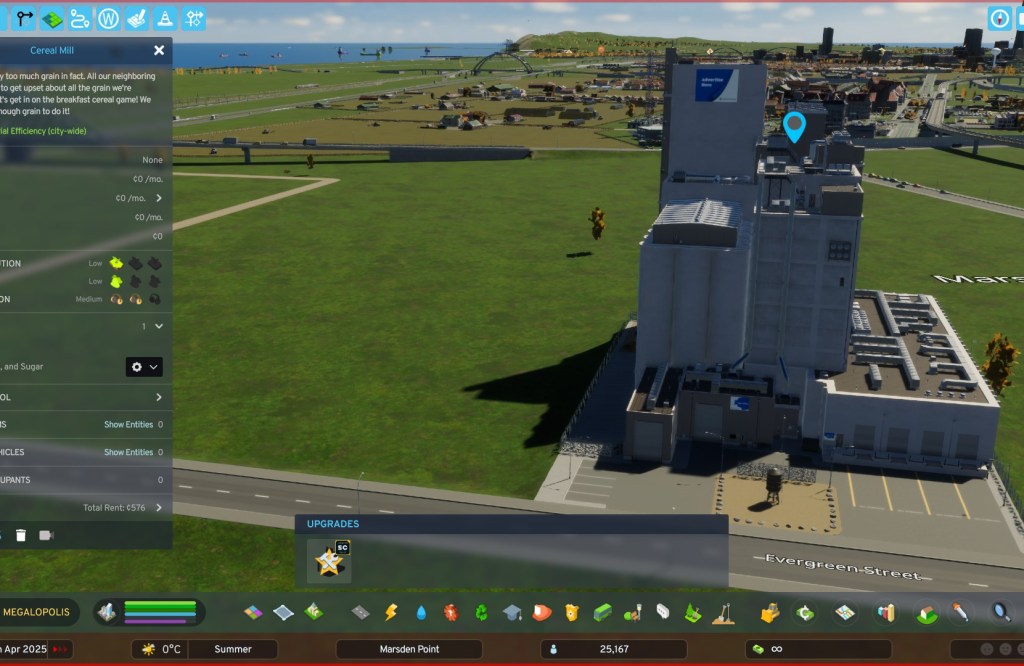
I am more taking about how using the Supply Chains DLC in Cities Skylines 2, how a Planner can enable or disable economic development to support a city!
Supply Chains are important for the city to function
For context I am using the Supply Chains DLC from Cities Skylines 2 to give a basic illustration on what a Planner like myself would get up to when engaged by an Economic Development team that is assisting a new business or industry wanting to establish or an existing one wanting to expand in the area. Check out the dev diary on how the DLC works in concept.
The Supply Chains Journey Starts at Marsden Point
The story starts in the Planning Department at Marsden Point City Hall. The Planner takes stock in what is happening in large town ready to become a small city located on a peninsular:
- Spatial Plan, and Land Use Plan enacted guiding the town’s growth
- Port, and energy sector recently established
- Forestry and rural sectors fast expanding to meet internal and export demand
- Rich ore, coal, and stone veins recently mapped with some extractive industries established
- Large expansion of highway and rail networks to meet the growth demands set out in the Spatial Plan. Metro system also brought online.
- Established urban area “full” with zoning of more land for urban development of all stripes happening
- Public works program underway preparing City Centre and Downtown for full scale urban development
- Tourism starting to boom
And no despite what the radio thinks, Marsden Point does not have a housing shortage (yet).
Meanwhile, entrepreneurs who have been watching Marsden Point start from nothing but dirt to a thriving large town have decided they want a piece of the action and establish themselves in the town. At the same time Town Hall is looking at supporting new commercial, industrial, and office-based business ventures to further enhance the town making it the place to be for residents, businesses and tourists alike.
The following video gives a brief look at Marsden Point, pre Supply Chains DLC.
As mentioned earlier Marsden Point has a fast growing forestry and rural sector. But it lacked high impact industry, commercial, and “office” ventures to help capitalise these sectors and the fortunes for the town and its residents. So when some Captains of Industry visited City Hall’s Economic Development Team to capitalise on all that grain, fruit and vegetables, and live stock turning them into consumer goods, did the Planner at City Hall ponder, how can we do this. Just to throw in an added incentive, the Captains of Industry were willing to “invest” in the end-user infrastructure as well. That being a place to sell the goods, or even “market” the goods produced right here at Marsden Point!
Planner gets to work ensuring Land Use Place enables best outcome
After the Captains meet the Economic Development team, the Planner was brought up to speed about these new ventures wanting to establish themselves in this fine town! The Planner checks the Spatial Plan, checks the Land Use Plan, checks the maps, checks in with the infrastructure teams and concludes “we can do this.”
With their colleagues across the various teams, the Planner co-led the drafting of a Master Plan, its consultation, its resolution by the elected representatives, and set it in motion.
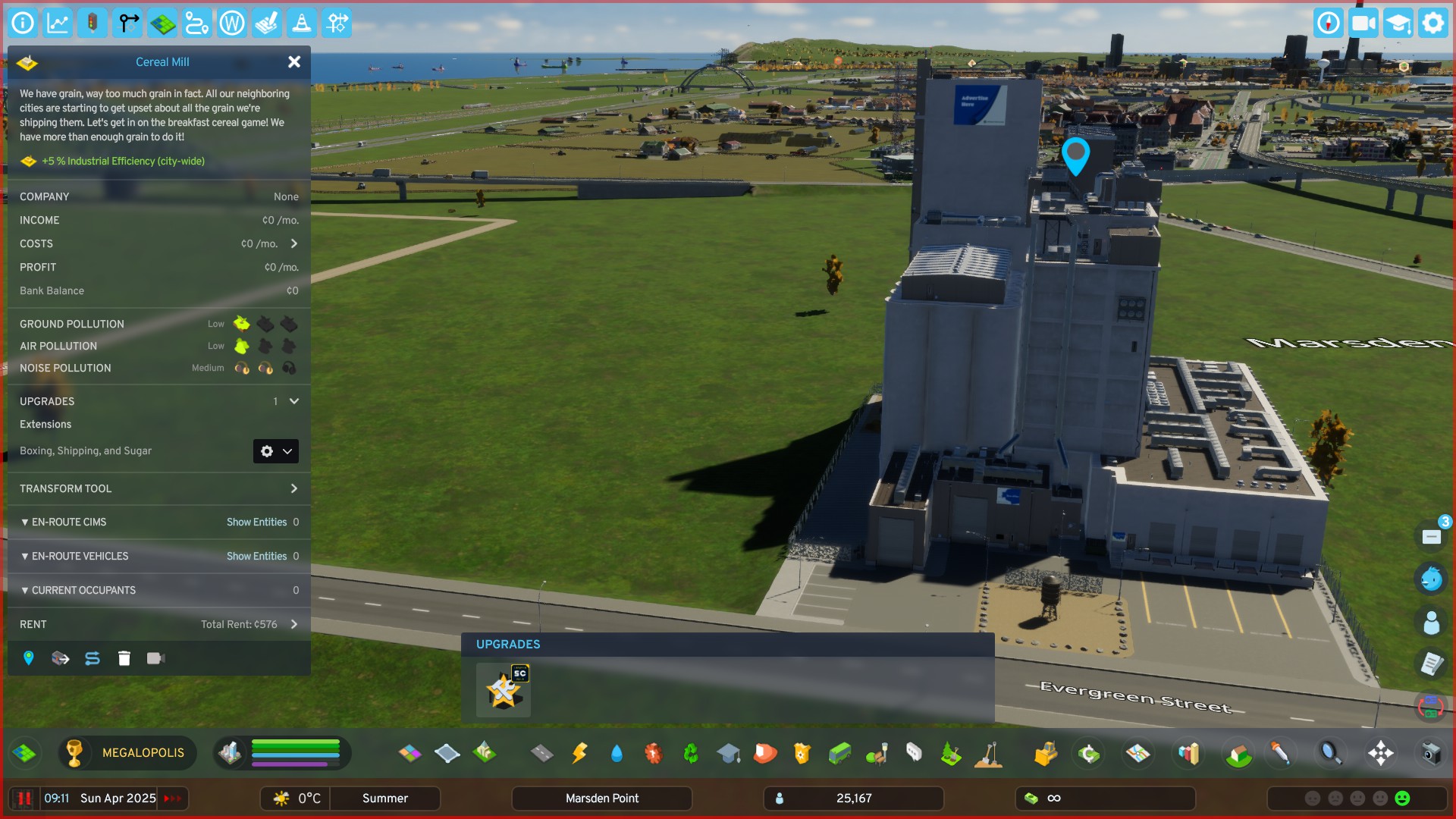

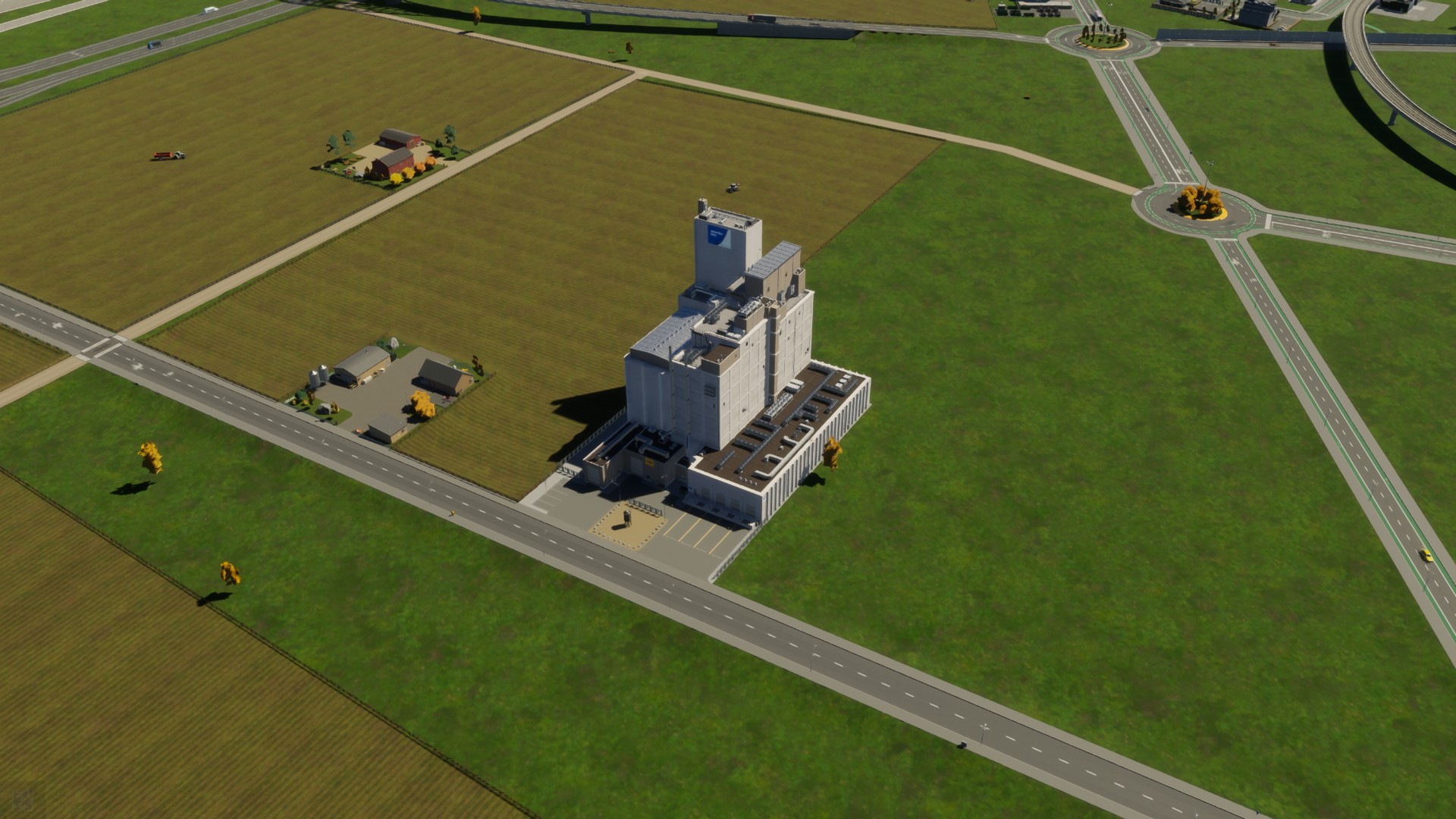
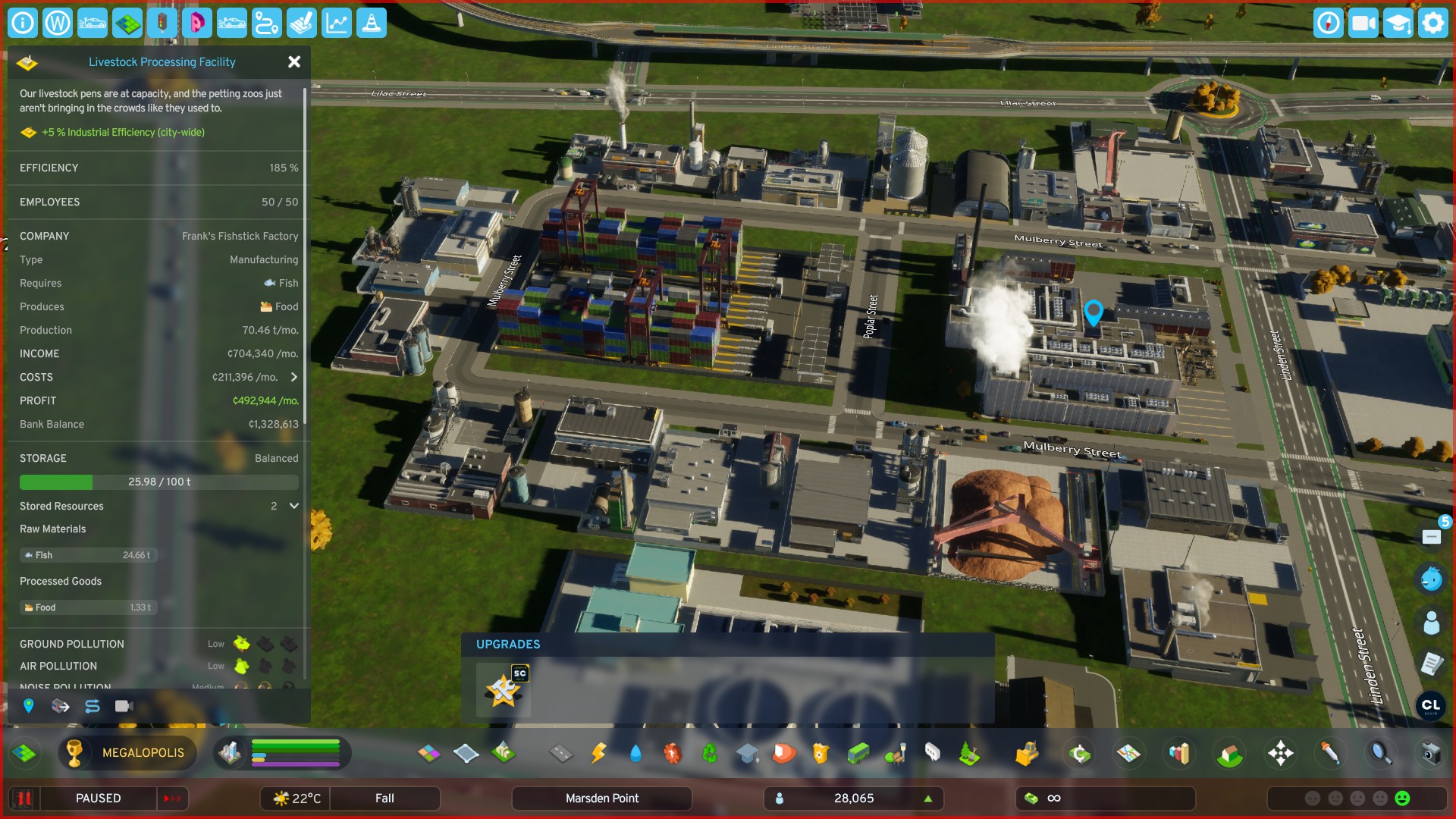
After the Master Plan was adopted did the Cereal Plant, Livestock Processing Plant (meatworks) and Beverage Plant (alcoholic and non alcoholic) establish themselves on the outskirts of the where the city was at the time. New farms also established themselves to become suppliers to these new industrial businesses freshly established in Marsden Point.
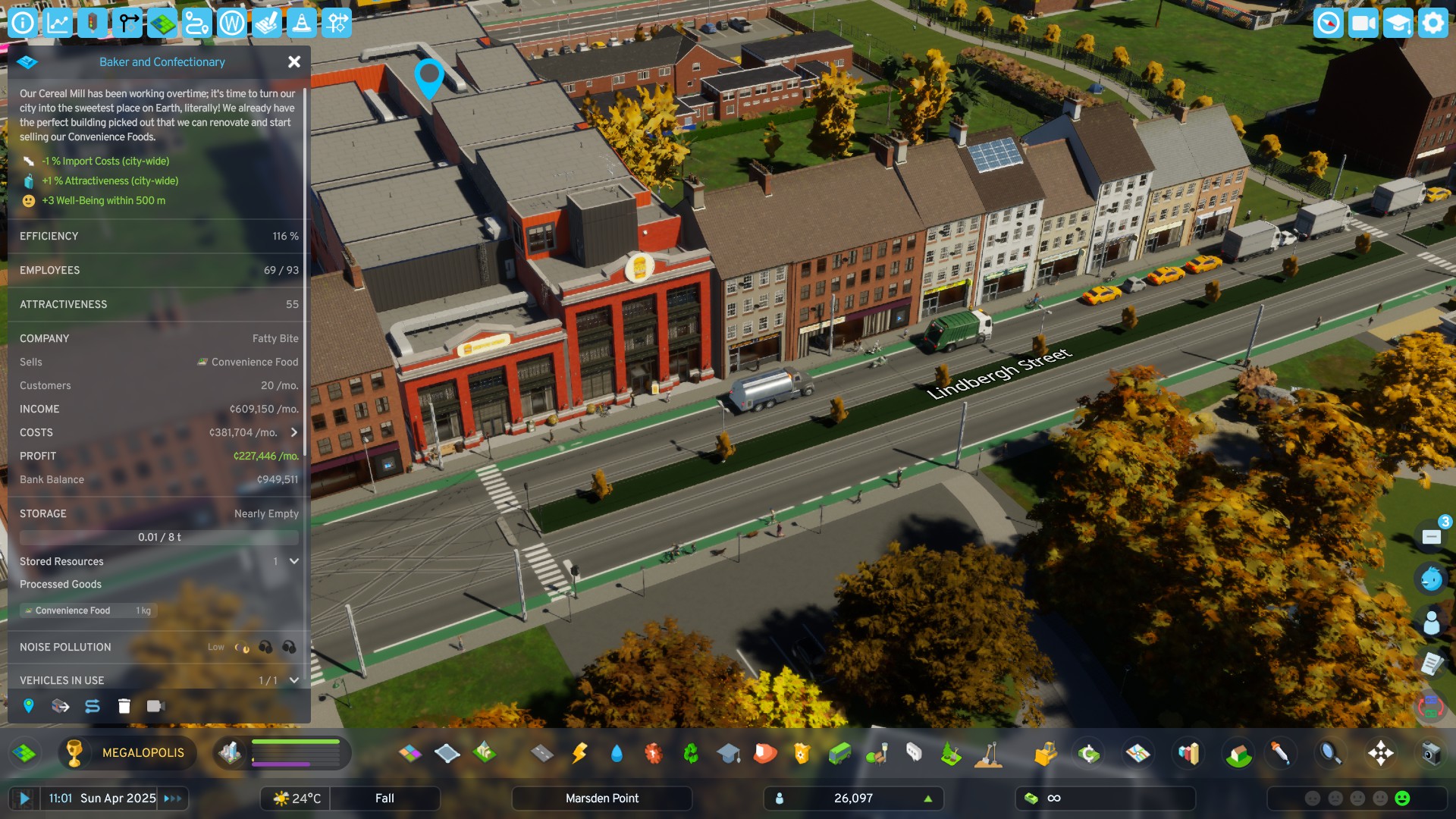
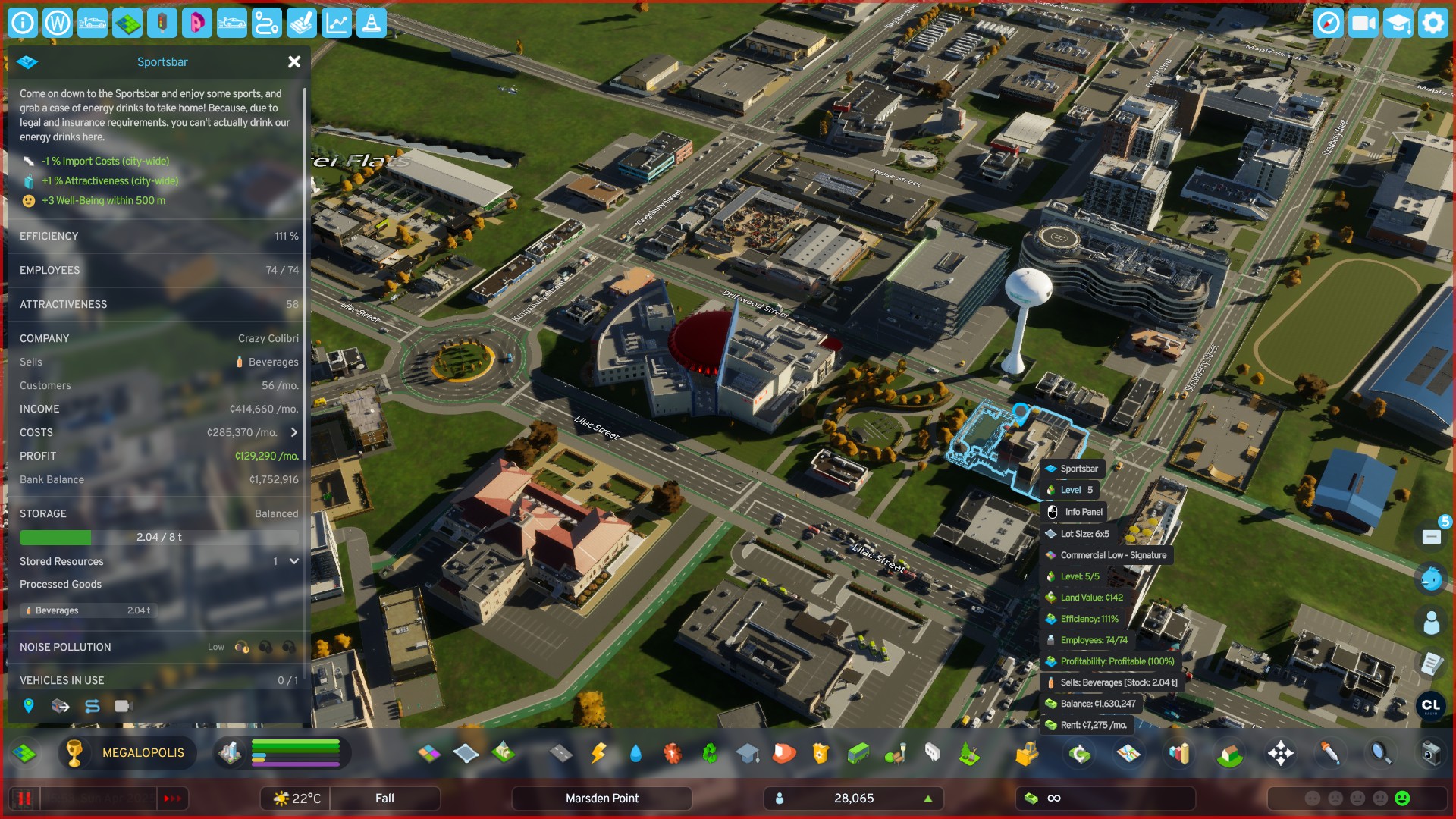
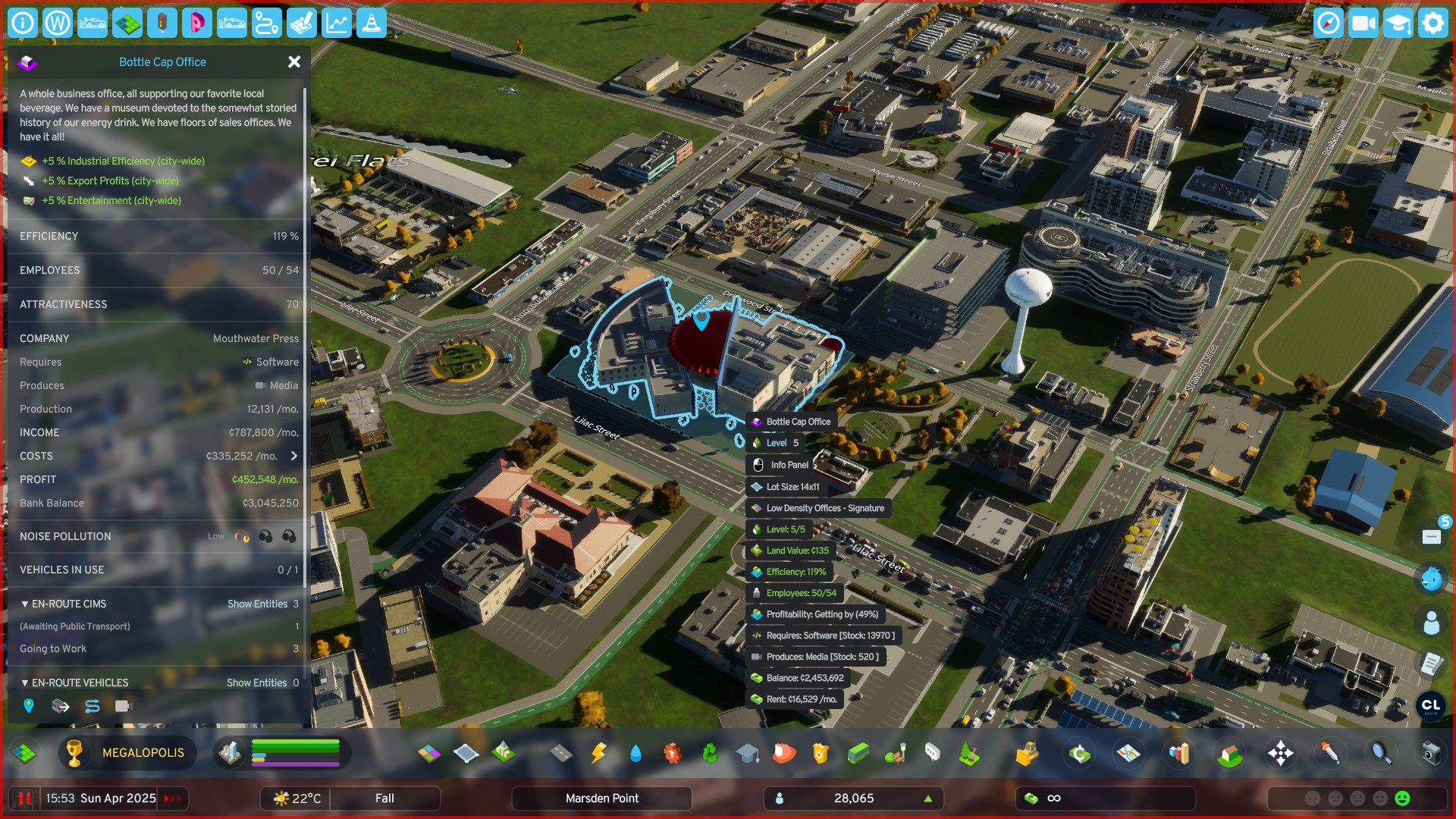
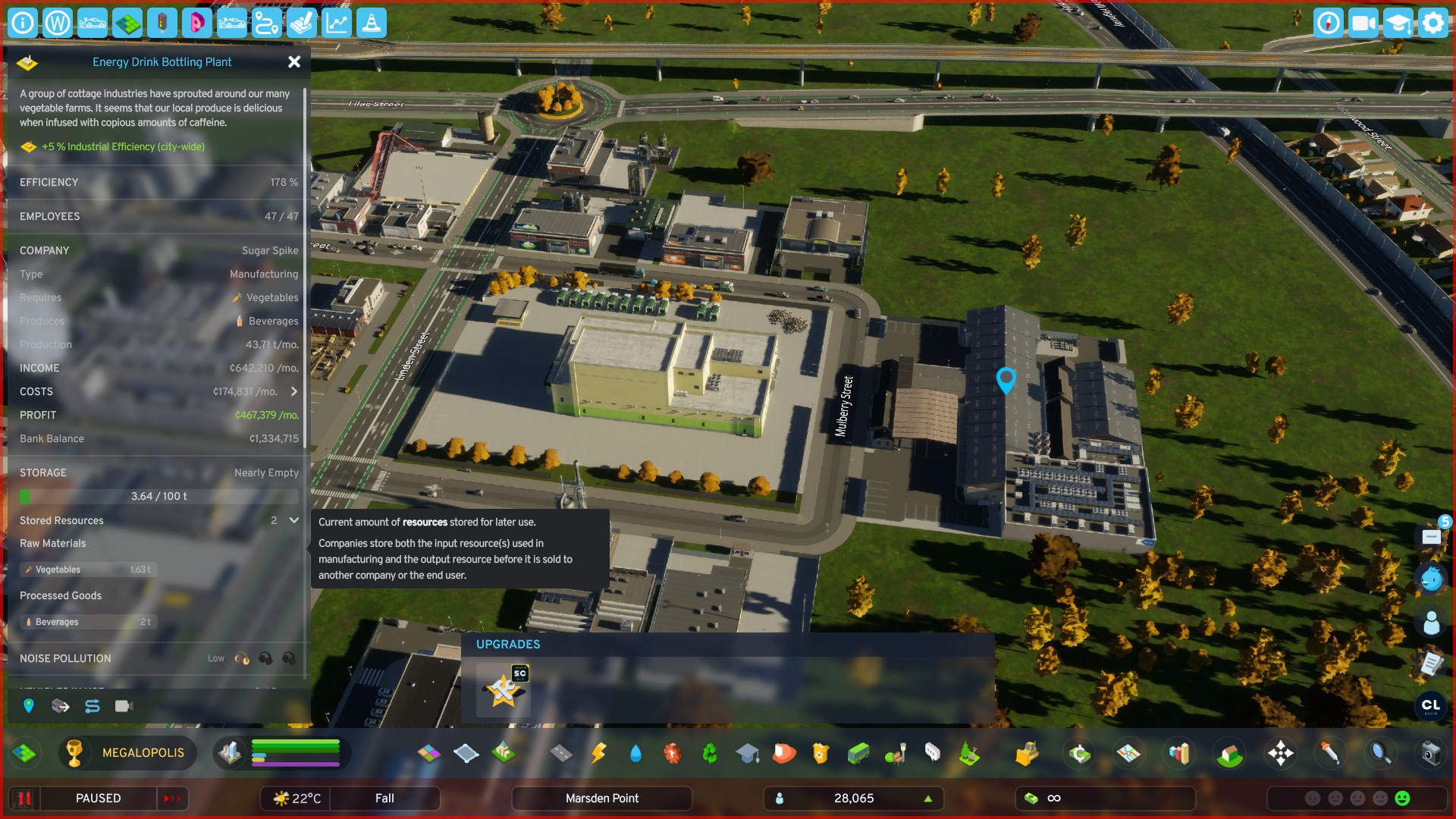
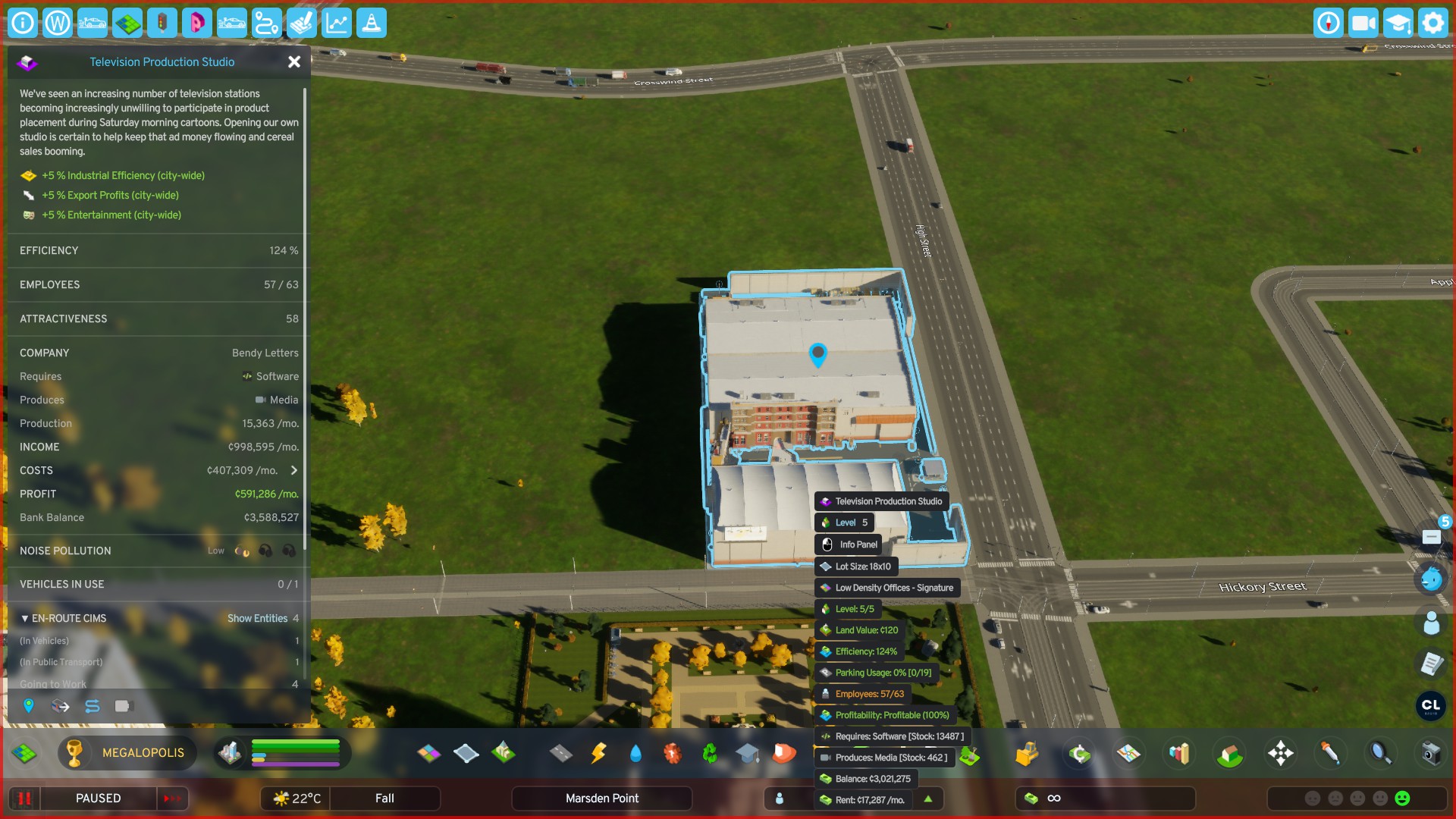
To further assist in whether consuming, marketing or paper pushing the city’s newly local made consumables, a bakery, sports bar, headquarters, and even a television studio were also established in the City. Yes, a television studio to market all those wonderful “cereals” on prime time kids TV!
But the job for the Land Use Planner, the Spatial Planner, and pretty much every other Planner and Engineer now pulled in was not over! The workers of these new industries and businesses needed somewhere to live and have access to amenities. Thus the second stage of the Master Plan got underway, the delivery of Marsden Point’s latest town: Whangarei Flats.
Welcome to Whangarei Flats

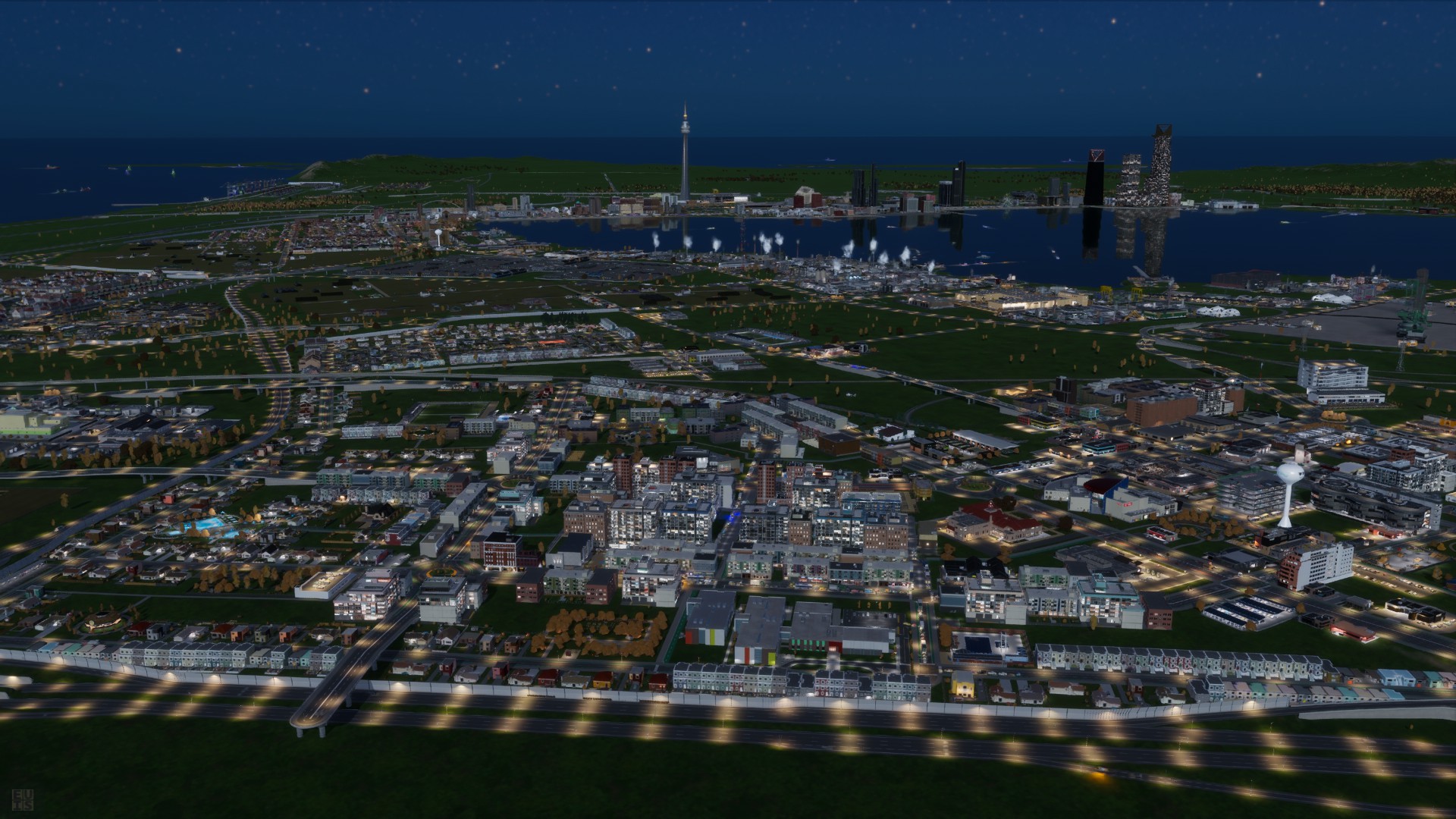
Whangarei Flats was planned to be a semi-sufficient satellite town to support the newly established rural industries. In the real world it would be Auckland’s version of Pukekohe which is Satellite to support the rural Franklin District, then the rest of the city.
All your amenities are provided for within the town with road, bus, and metro rail connections connecting Whangarei Flats back to Marsden Point city proper. The town continues to expand and evolve as the Economic Development team, and planners did such a good job with the rural sector, two new industries also came knocking. Thus Marsden Point now has industries in concrete, and steel! A new secondary port was also established down the road in Wiri, demonstrating the testament to a not only a city that has confidence in itself but also a group of planners, and economic development gurus wanting the best for Marsden Point and its future!
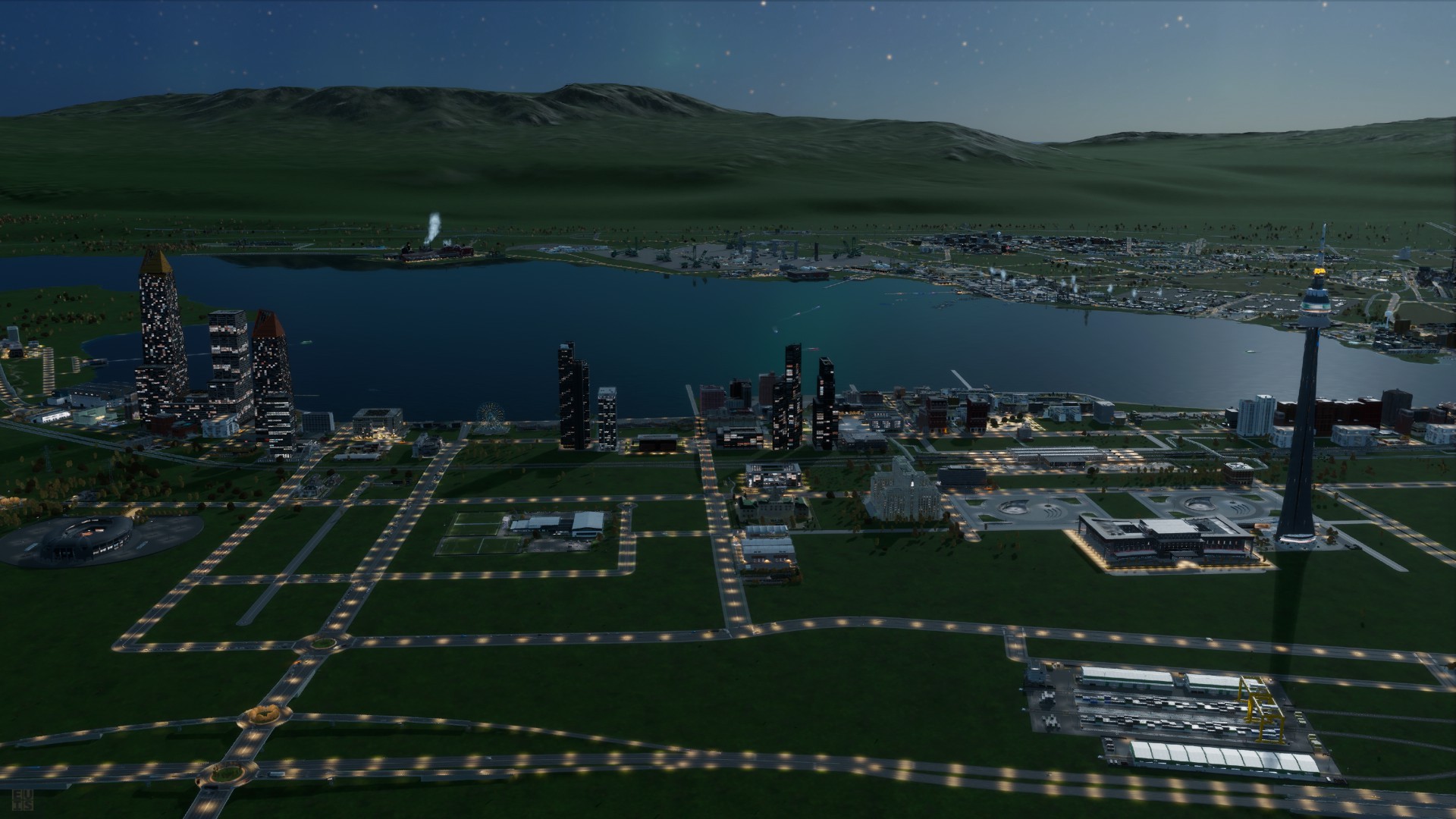
So, was I the City Cereal King or just a Planner enabling the economic development of the city and/or region? Because while Marsden Point is in Cities Skylines 2, in real life while my main wheelhouse right now is Policy Planning or Land Use Planning, I draw upon other aspects of planning ensuring the best for the area I am representing and/or advocating for!
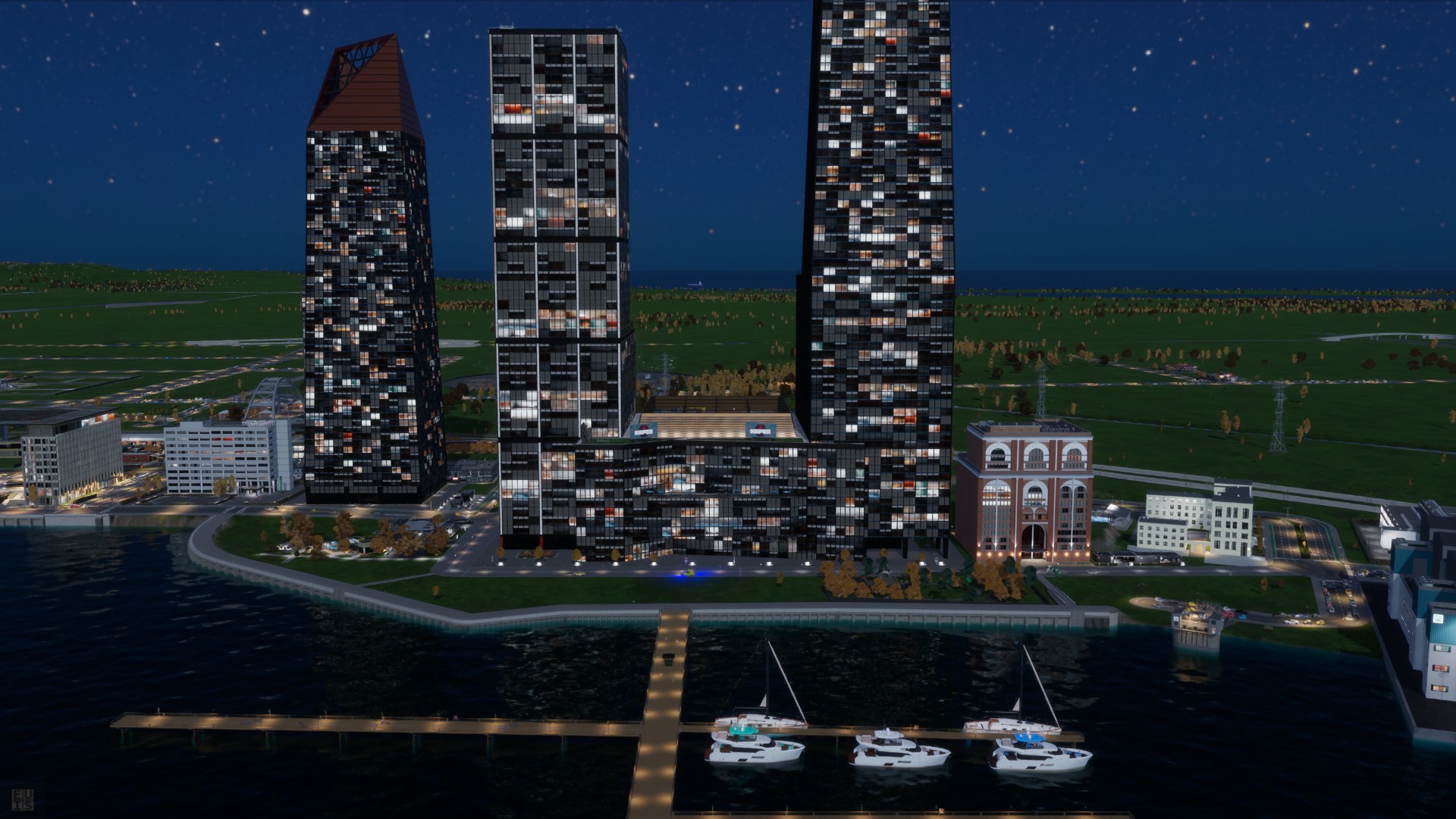
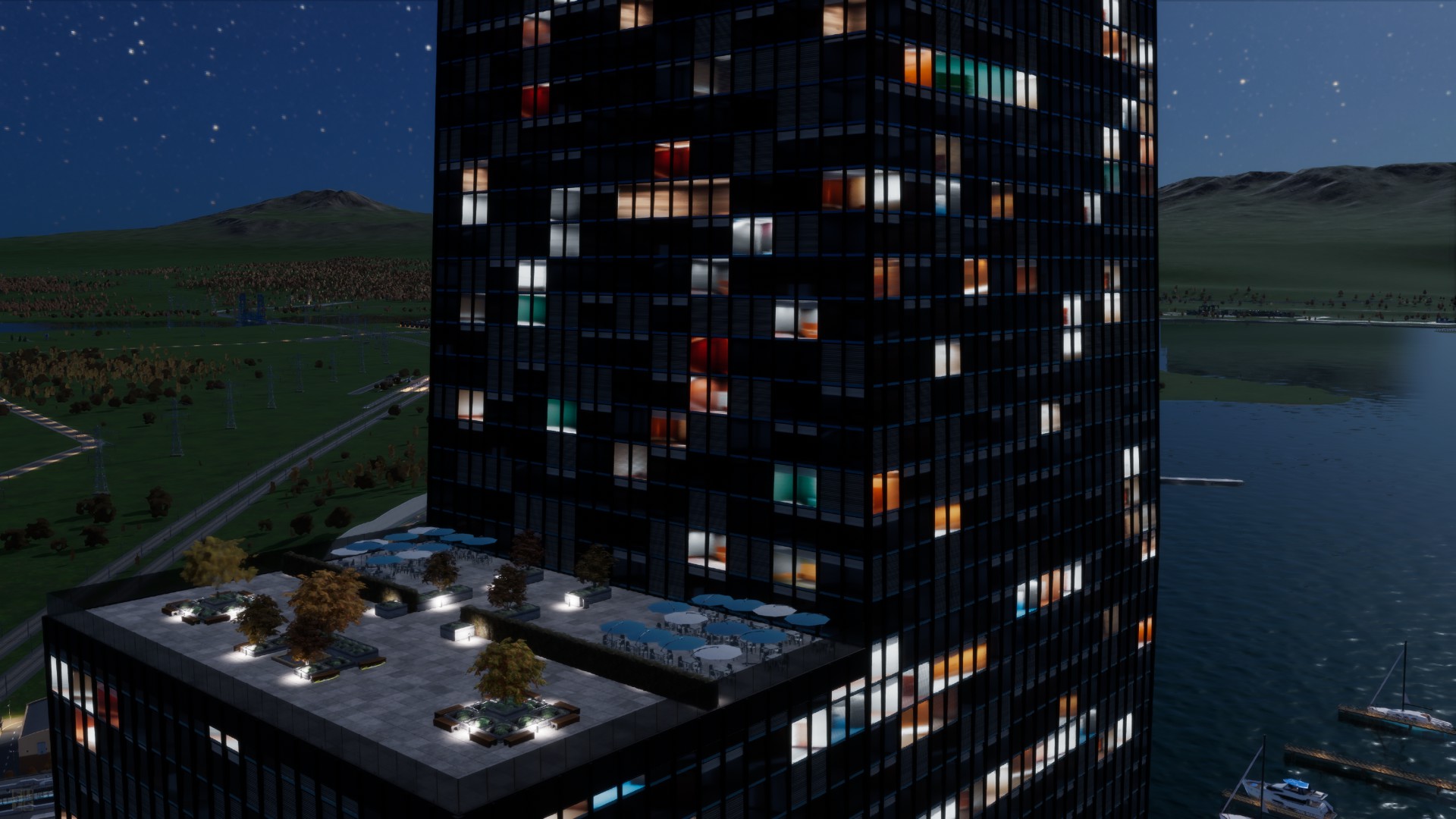
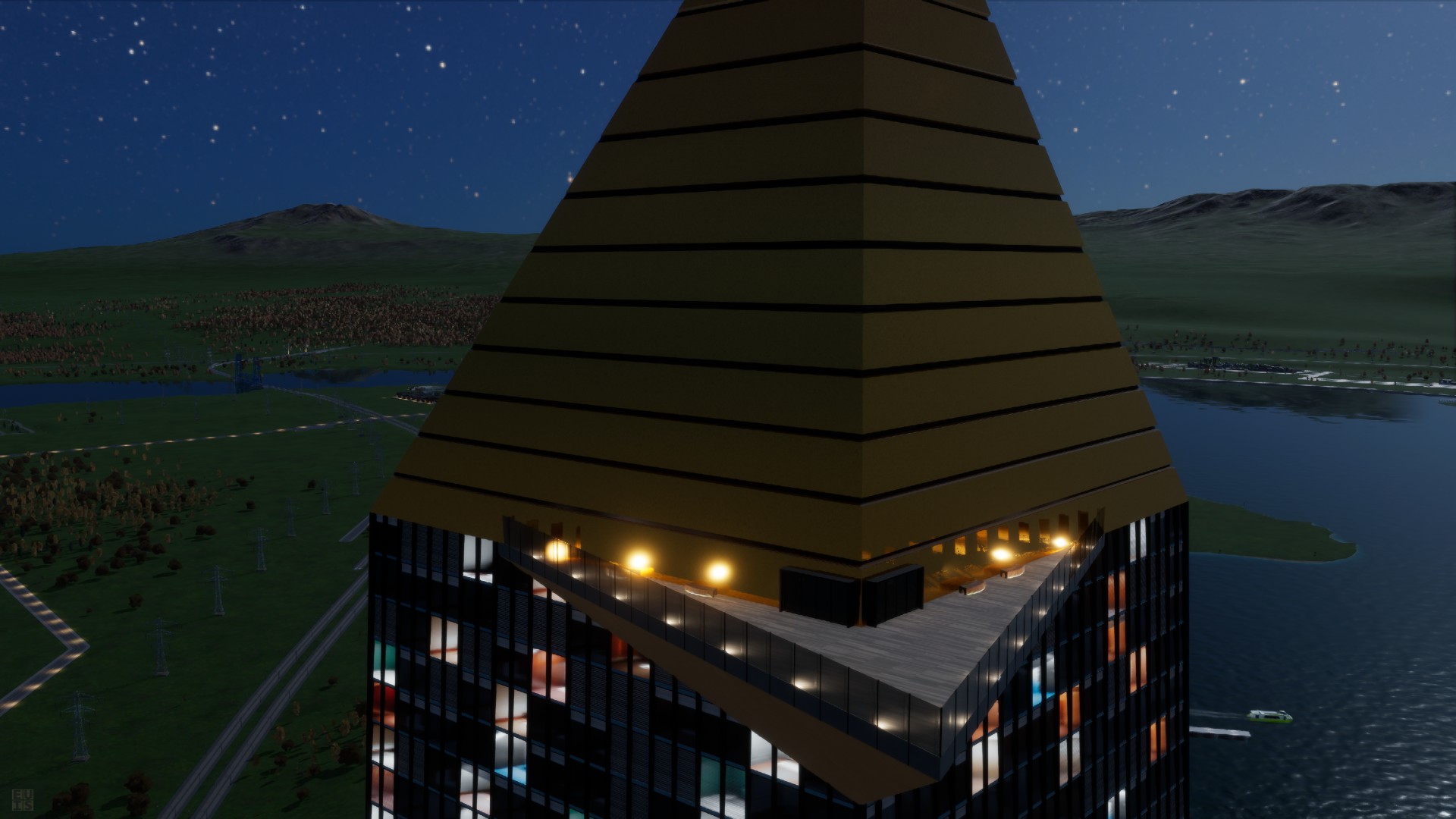
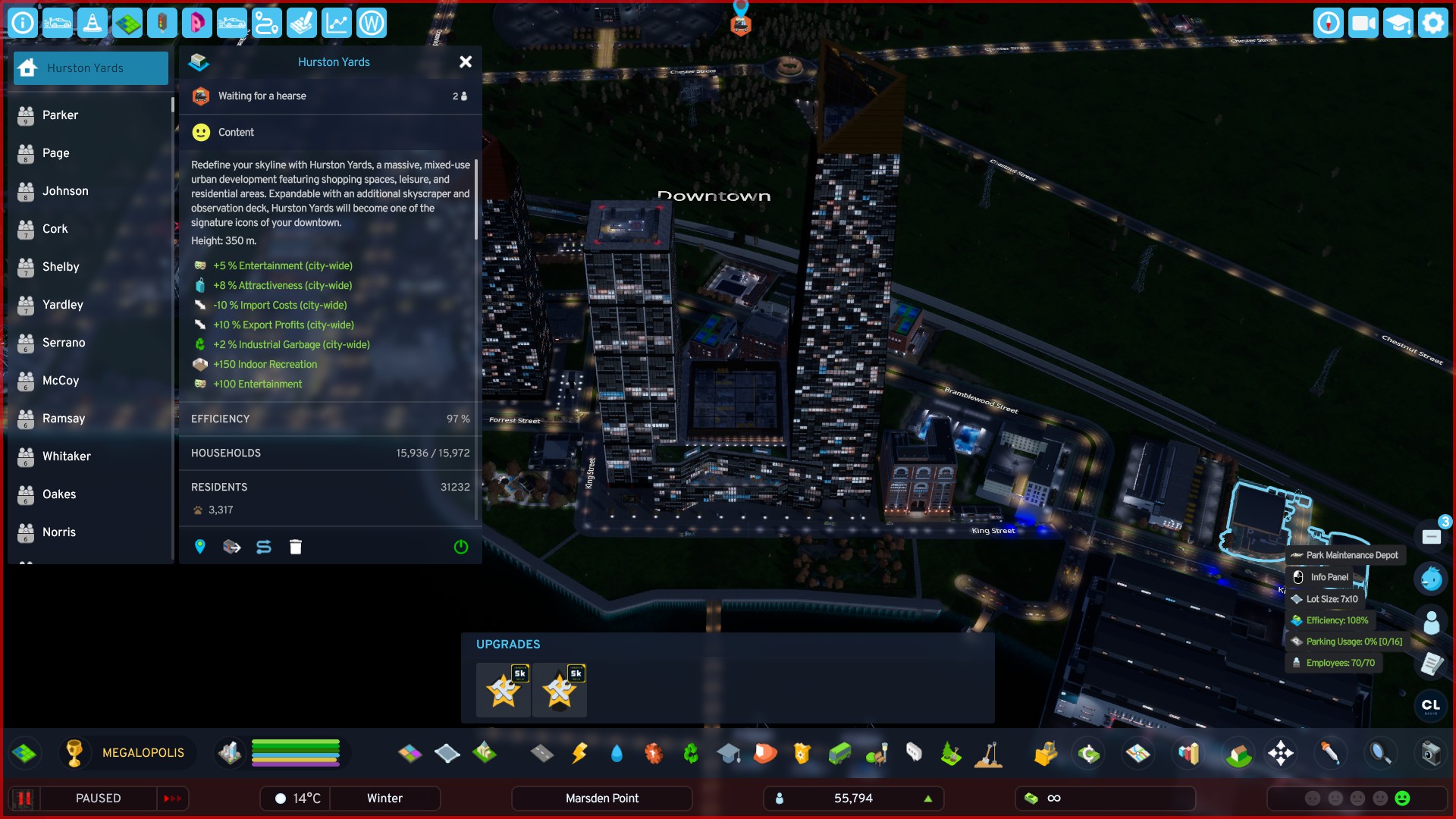
Meanwhile efforts to get Hurston Yards off the ground in Downtown Marsden Point were also a success!

 Talking Southern Auckland
Do you know, how far above sea level is Marsden Point? As we continue to burn up the planet, I presume it will soon disappear underwater?
5-9 metres is the average height above the sea level.