The consequences of those deliberate choices made earlier on In developing Manukau City Centre in Cities Skylines 2 through my 3.x series, I pondered about how much complexity goes on … Continue reading The Very Definition of Planning Complexity
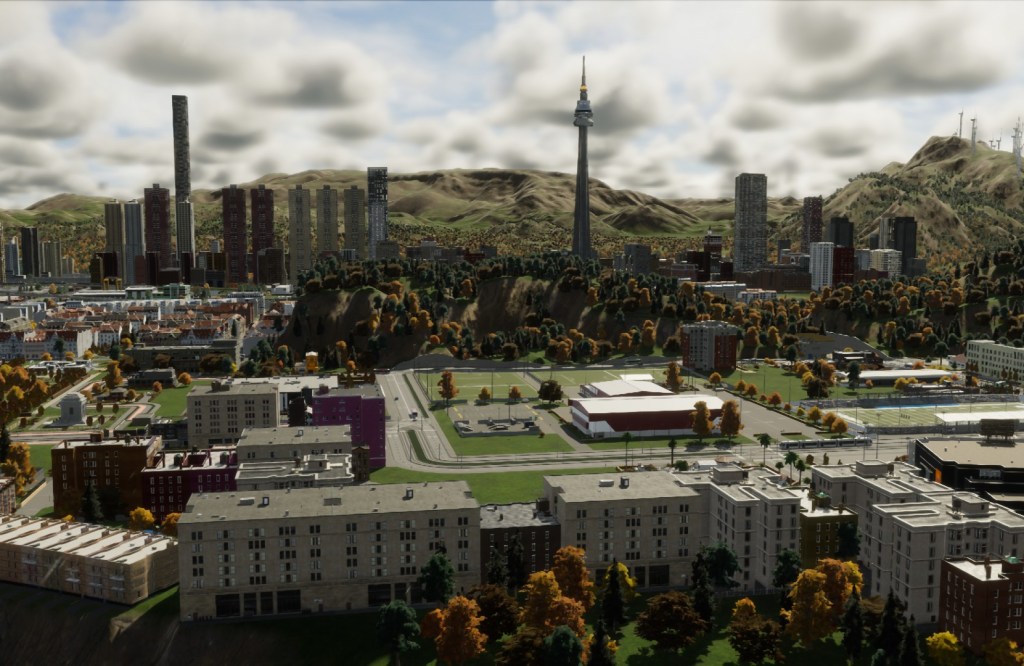
The consequences of those deliberate choices made earlier on In developing Manukau City Centre in Cities Skylines 2 through my 3.x series, I pondered about how much complexity goes on … Continue reading The Very Definition of Planning Complexity
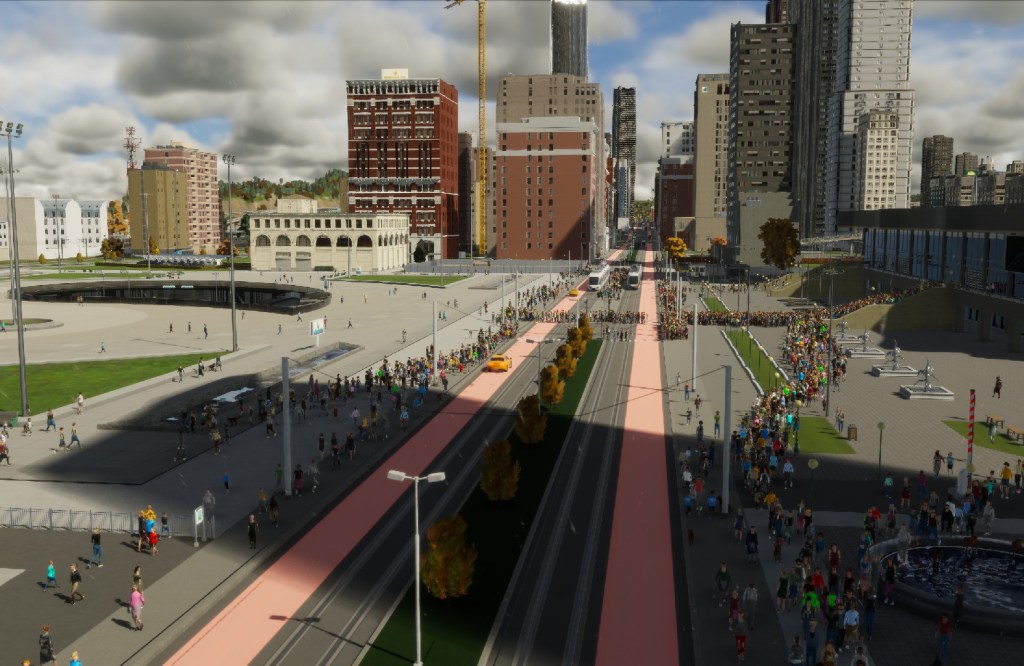
How much goes on to get to the point of residents and businesses moving in, and for visitors to part with their coin? It takes around 12 hours in real … Continue reading From 28,000 to 68,000 population (in 51 minutes). The Planning and Preparation of the City!
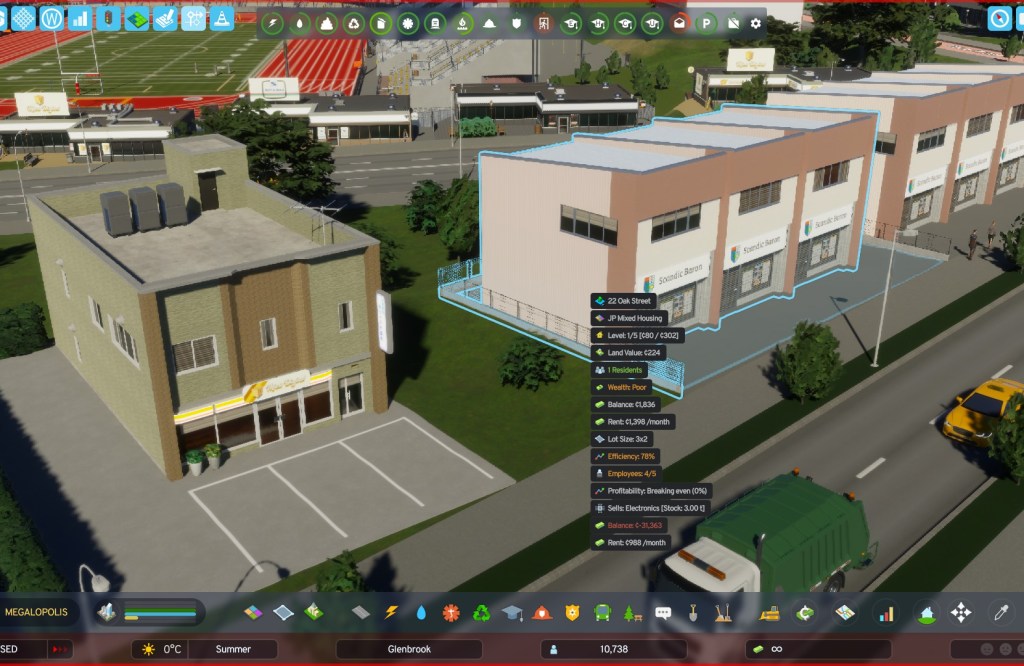
Reflections on the Japanese Planning System Let’s kick off on what the Japanese regulators are around land-use (aka Planning). Note: the PDF version of the Wiki article will be at … Continue reading A Look at Japanese Land-use Law and its Influence on Proposed Aotearoa Planning Law
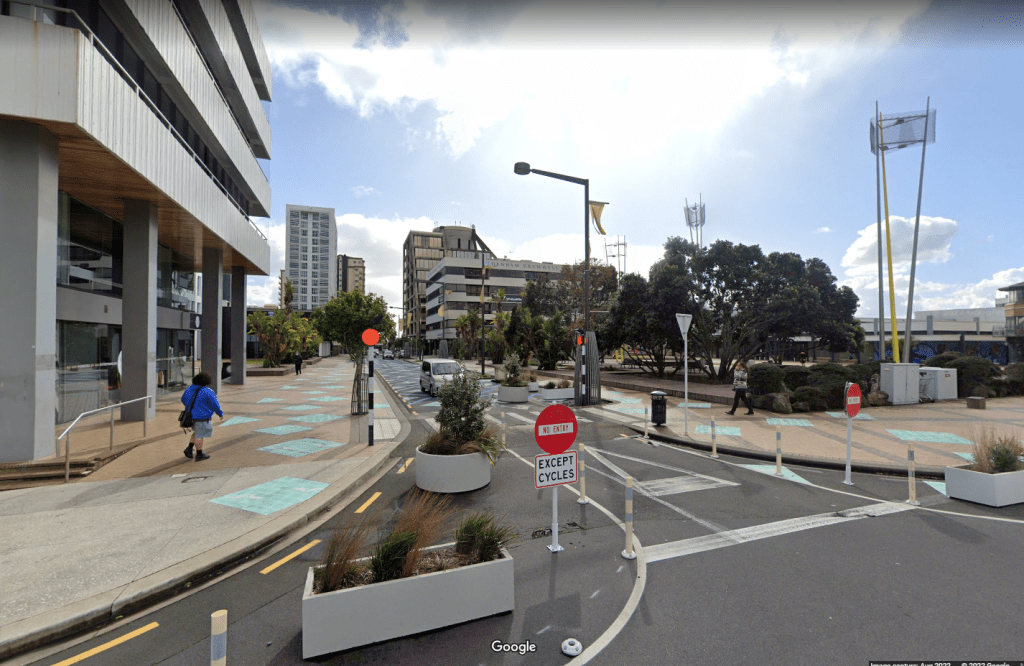
Knowing ones place in Planning to deliver desirable outcomes The frank discussions with Hamish Rennie over the weekend on LinkedIn about the National Standardised Zones got me thinking two things: … Continue reading Placemaking: Public vs Private Realms and the Role of the Planner
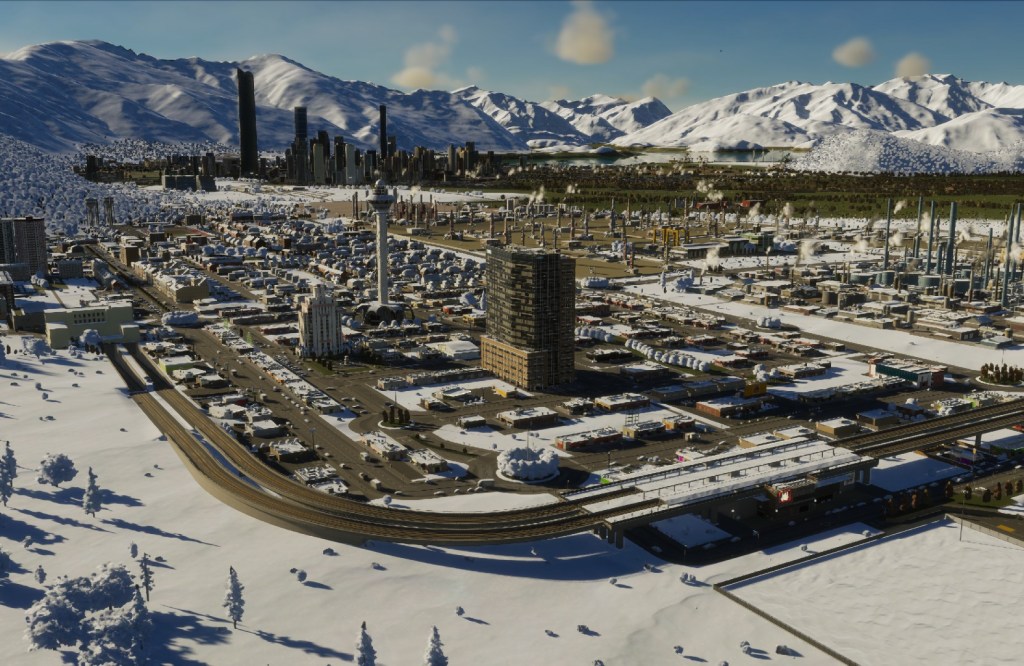
Aotearoa is diving headfirst into the National Standardised Zones (NSZs), ripping apart over 1,000 zoning categories to embrace a mere 17-20, mirroring Japan’s and Victoria’s models. This radical overhaul promises uniformity across cities, but is it truly beneficial? While gamers cherish the consistency of zones like those in Cities Skylines, the real question looms: Will this homogenization in planning stifle diversity and creativity in urban design?
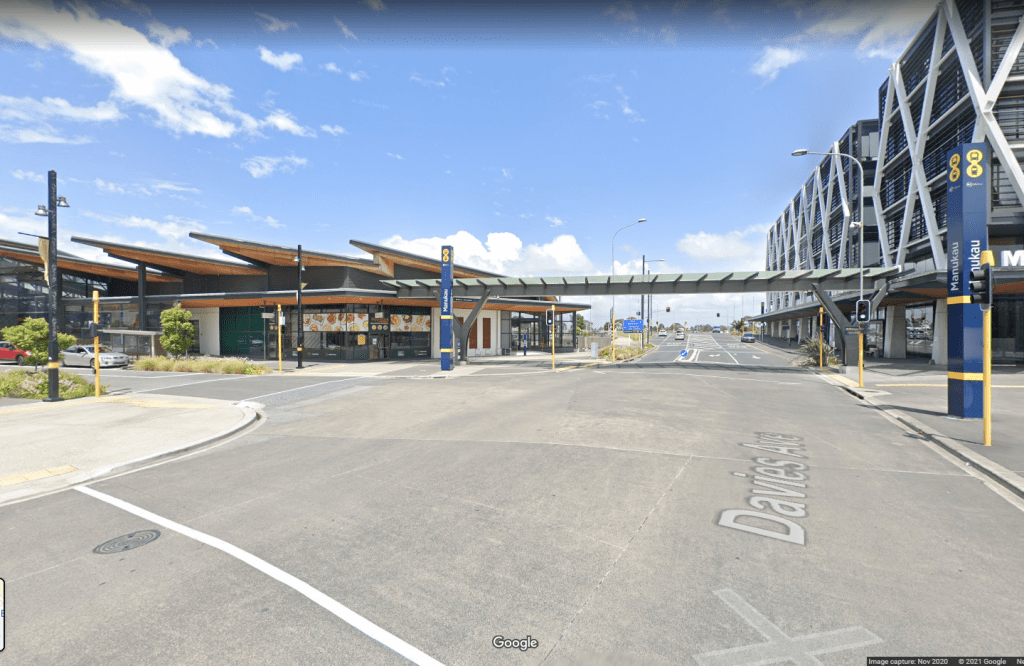
Auckland’s second City Centre, #OurManukau, is undergoing a major urban renewal program called Transform Manukau. Despite setbacks due to Covid and changes in government policy, the area is gearing up for renewed activity, particularly with the anticipated economic recovery in 2025. Of particular interest is the Airport to Botany Rapid Transit Stage 2 (A2B), which, once construction starts, is expected to be a game-changer for Manukau and Southern Auckland. Keep an eye out for more updates in November after a tour of Manukau City Centre!
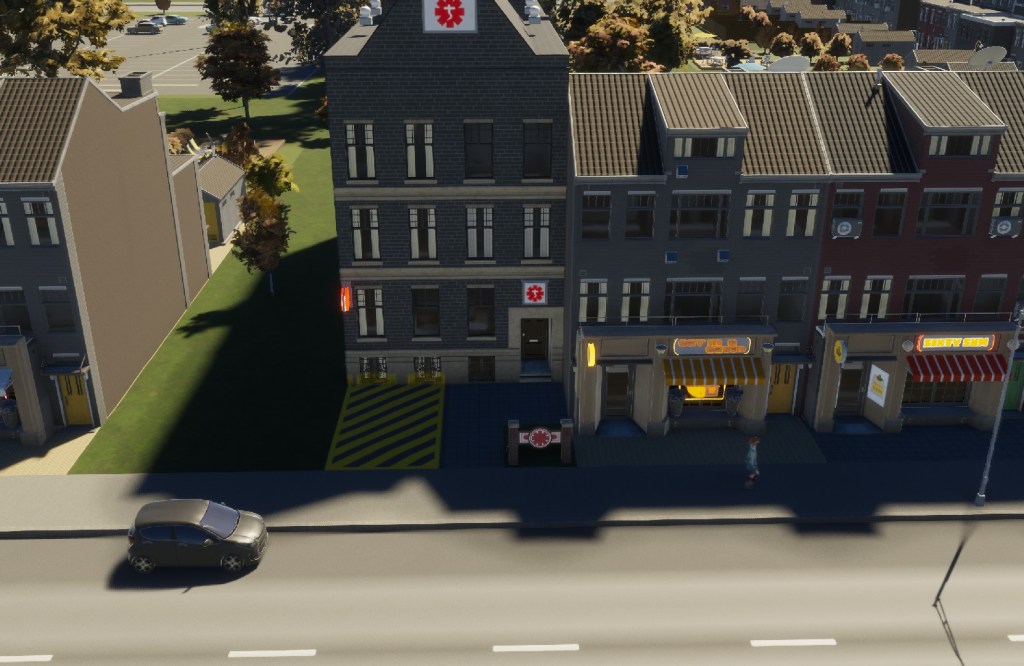
Minister Christopher Bishop champions mixed-use development, citing global examples and touting its benefits for urban areas. He stresses its potential to enhance accessibility to amenities, promote social interaction, and improve transit efficiency. Bishop argues that mixed use can lead to better outcomes in traffic, pollution, productivity, and community cohesion. He also advocates for embracing low-density mixed use through terraced housing. This model integrates commercial or office spaces on the lower floors and residential units above.
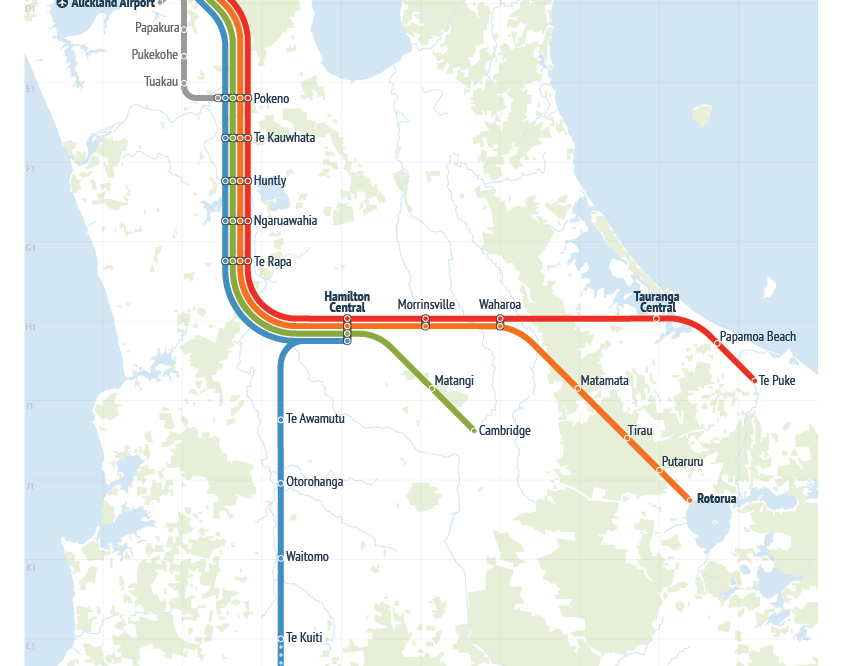
A revolutionary vision for intercity rail in New Zealand promises to reshape the landscape and unlock unforeseen potential in the upper North Island. The Regional Rapid Rail proposal, with its strategic goals and outlined benefits, aims to connect major centers, catalyze regional development, and bolster environmental sustainability. By leveraging existing infrastructure and prioritizing integrated land use, the plan seeks to stimulate economic growth while enhancing the liveability of towns and cities. This visionary approach transcends mere transportation, offering a transformative solution for urban connectivity and unlocking untapped opportunities.

This post, originally dating back to 2017, outlines the need for a revamp in New Zealand’s planning and infrastructure agencies. The proposal involves the establishment of a National Planning Agency and a National Infrastructure Agency, aiming to streamline inter-regional planning and development. The current lack of coordination and inefficiency within existing institutions is highlighted. The suggested reform encompasses a restructured Ministry for Planning, Infrastructure and the Environment, comprising of three key agencies. These changes are intended to enhance collaboration and coordination for more effective and holistic planning and development across the country.
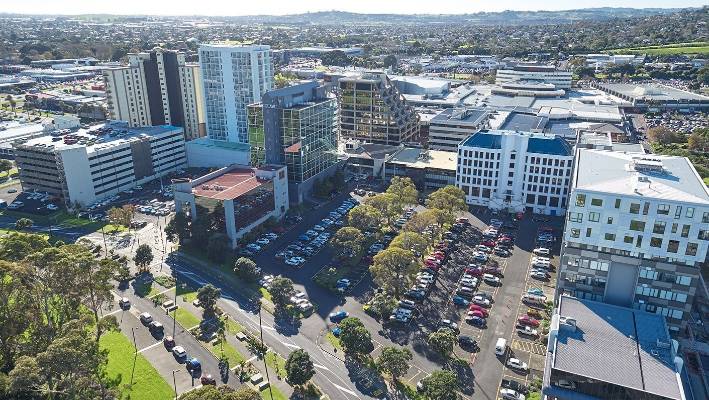
An urgent call to action for Aotearoa: Make a bold move to revive our struggling towns and Metropolitan Centres. Lifting ourselves out of the recession demands real economic intervention. It’s time to kick-start a Public Works Program to spur job creation and consumer spending. Forget the ineffective slash and burn tactics—we need a solid plan for urban renewal and infrastructure investment. Let’s embrace this opportunity to transform our urban landscape, attract businesses, and propel Aotearoa into the modern era. It’s an investment in our future, not just an expense.
 Talking Southern Auckland