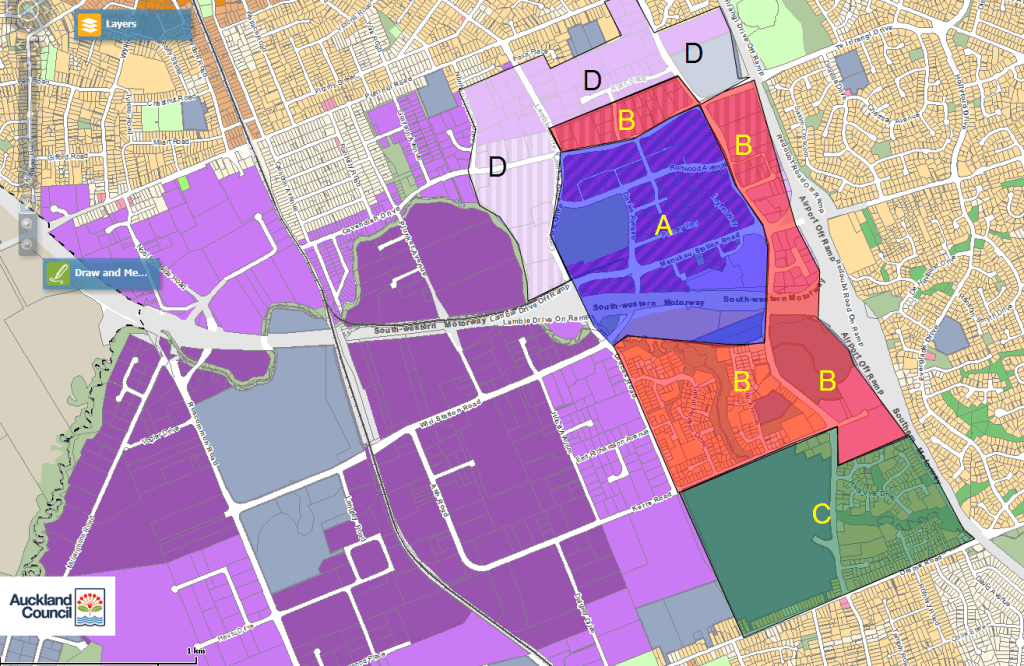
Auckland 2040’s Richard Burton and I are saying similar things Just “language” is proving to be a bit of a barrier Bob Dey continues his Unitary Plan Hearings Coverage … Continue reading How and What Auckland Should Develop
Auckland 2040’s Richard Burton and I are saying similar things Just “language” is proving to be a bit of a barrier Bob Dey continues his Unitary Plan Hearings Coverage … Continue reading How and What Auckland Should Develop
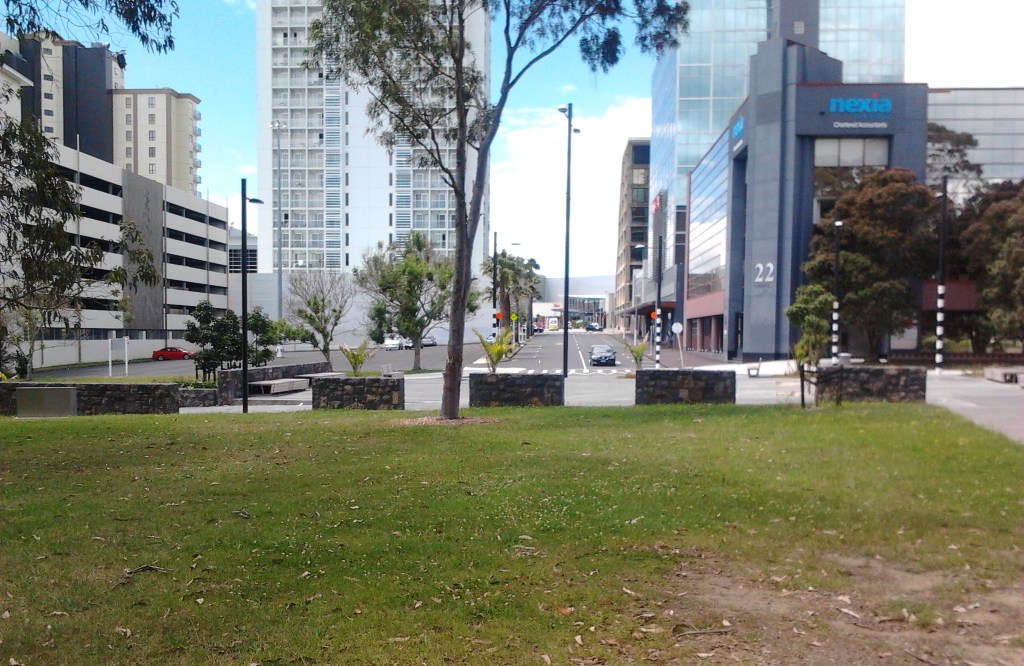
Relegated to micro-detailed wankery And no this is not good for the City, its residents, and its businesses within it! I am not sure with the Unitary … Continue reading UNITARY PLAN TRAGEDY PART TWO

Why oh why over the “small” details? I am quite sure I would mark this as a tragedy more than anything else when you see this: From Bob Dey’s … Continue reading Unitary Plan Tragedy Part One

Bob Dey continues the Unitary Plan hearings coverage Bob Dey continues his Unitary Plan coverage on the Unitary Plan hearings and where thing left off last month (Regional Policy … Continue reading Can Auckland Fit That Extra Million In, and What Changes is Council Looking at Already?
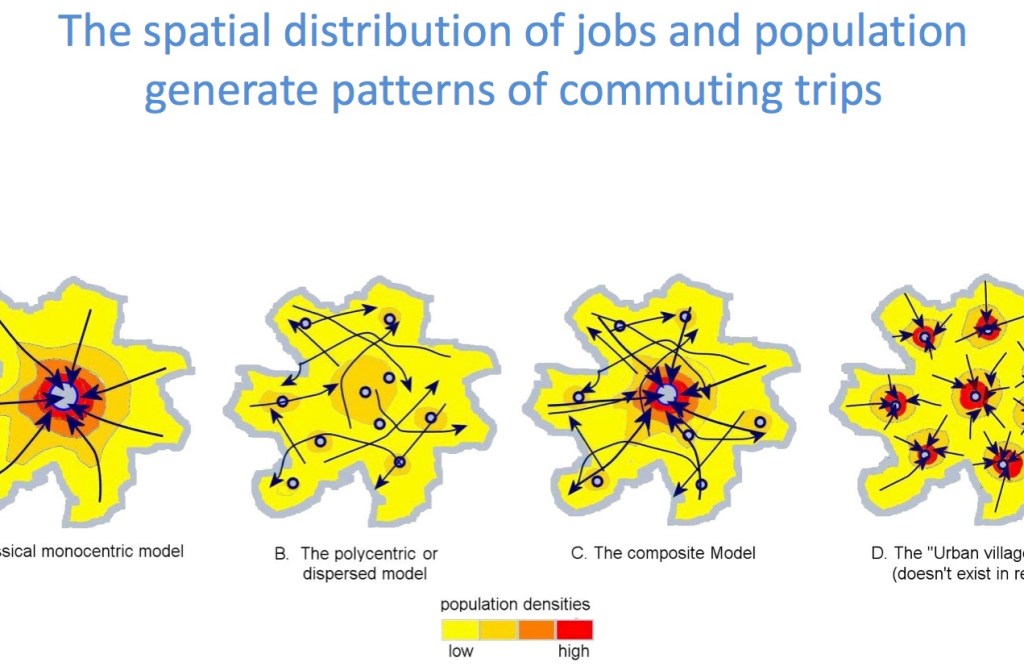
Index to Talking Auckland posts covering wider commuting trending in Auckland I read Peter Nunn’s piece on ‘The Geometry of urban labour markets’ over at Transport Blog and I … Continue reading Quick Reply To “The geometry of urban labour markets”

Bob Dey gives a prelude into the Unitary Plan Hearings (and Auckland’s future urban possibility) as we head into 2015 – head long Respected property and planning writer Bob … Continue reading Summary of Auckland Growth and the Unitary Plan Hearings Heading into 2015
Statistics New Zealand has reported that the housing dynamics as well as other indicators in Auckland are now pretty much unique compared to the rest of New Zealand. Of course and being a realist this is expected (even the negative indicators) in New Zealand’s sole international city of sizable comparison.
From Stats NZ
Auckland housing now very different from the rest of NZ |
Auckland’s housing has changed markedly over the past two decades as the city reacts to its growing population, with more multi-storey homes, greater density, and fewer unoccupied homes all making it very different to the rest of the country, according to the latest research from Statistics New Zealand.17 December 2014
Housing in Auckland: Trends in housing from 1991 to 2013 uses the latest 2013 Census information, showing that in the seven years between the last two censuses, Auckland’s population grew by 8.5 percent, faster than the number of dwellings, which increased by 7.6 percent.
Statistics NZ researcher and report author Rosemary Goodyear says the aim of the report is to give agencies working in the housing area in Auckland information they need. “We hope this type of information will be useful to both policymakers deciding where services might be valuable, but also to developers deciding where to focus their efforts.”
“We’ve found that since the 1990s, housing in Auckland has changed so much that it’s now distinct from the rest of New Zealand. There are more multi-storey dwellings, lower rates of home-ownership, more renting, and house prices have risen to higher levels than in other parts of New Zealand.”
“It is not only young people who have been affected by the fall in home ownership,” Dr Goodyear said. “There have been substantial drops in home ownership for Aucklanders aged in their 30s, 40s, and 50s since 2001.”
Dr Goodyear says Statistics NZ worked closely with agencies in Auckland to find out what information they wanted to know about housing in the region.
One of the key findings of the report is that since 2006, building consents in Auckland are lower per head of population than in the rest of New Zealand. In 2013, there were 358 building consents per 100,000 people in Auckland compared with 423 per 100,000 for New Zealand overall. However, the number of building consents issued for new dwellings in Auckland has increased since the low point in 2009 to reach almost 7,000 in the year to March 2014.
The report also found that dwelling density had increased significantly in Auckland between 2001 and 2013, from 85.5 to 102.0 dwellings per square kilometre. In 2013, the most dense area units (Auckland Central East and Auckland Central West) had over 5,000 dwellings per square kilometre.
“Levels of crowding have remained persistently high in Auckland,” Dr Goodyear said. “In 2013 almost half of crowded households in New Zealand were in the Auckland region, compared with just over a third in 1991.” Over 200,000 people in Auckland, including around 63,000 children, are now living in a crowded household. Crowding was highest among Pacific peoples, with 45.3 percent of Pacific peoples in Auckland living in a crowded household in 2013.
Read the report – Housing in Auckland: Trends in housing from the Census of Population and Dwellings 1991 to 2013.
—-ends—–
This shows with our Unitary Plan that we need to make sure our master planing document is not loaded up with anal development controls that restrict as well as make developments cost prohibitive. Flexibility is the key to make sure that both consents are available in timely manners and crowding is reduced through the supply of all housing typologies being efficient. Something again development controls bung up.
I suppose we will know how the Unitary Plan will shape out come 2016 when the Hearings Panel makes it recommendations to Council.
I am observing the Unitary Plan hearings currently under way in which the Panel is covering ‘Urban Growth.’
Currently the full panel is hammering Auckland Council over both the Rural Urban Boundary itself as well as Greenfield releases. Specifically around how the releases would be done and would the releases mitigate against land banking.
But the big revelation came from Council after Panel Member Shepard (http://www.aupihp.govt.nz/profiles/#panel) finally managed to get out them this:
Council to the Panel: “we’ve (Auckland Council) always been reactive and not having the budgets to service development”
Council was long warned on both those particular matters especially being reactive rather than proactive around infrastructure provisions. I distinctly remember early in the Unitary Plan debates in 2013 that we should be proactive rather than reactive with infrastructure provisions (amongst other things) but our Deputy Mayor, and Chief Planning Officer didn’t want a bar of it for being afraid of running into infrastructure surpluses rather than deficits as current.
In my opinion being proactive would not result in an infrastructure surplus. To get that you need a total economic collapse like the USA went through with the Global Financial Crisis which killed off many new Greenfield developments still sitting idle today and giving rise to that surplus. Auckland right now is not teetering on such collapses so we should be getting proactive rather than be reactive which proves to be more expensive as the Council is commenting now on not having the budgets.
Well this is interesting:
Fuller: Has there been a detailed economic study on house price on the compact urban form?
Fairgray No
No wonder why Council has at the moment buried the Cost of Growth Study until next year after it was meant to be released this month. It seems Council has NOT done any detailed economic studies on house prices via the compact city model….
Lessons for Sydney here as it embarks on its own Sydney Plan (A Plan For Growing Sydney)
Scheduled next year and even 2016 An update on when I am likely to appear before the Unitary Plan Hearings Panel on my submission to the Unitary Plan. … Continue reading Unitary Plan Hearings Update
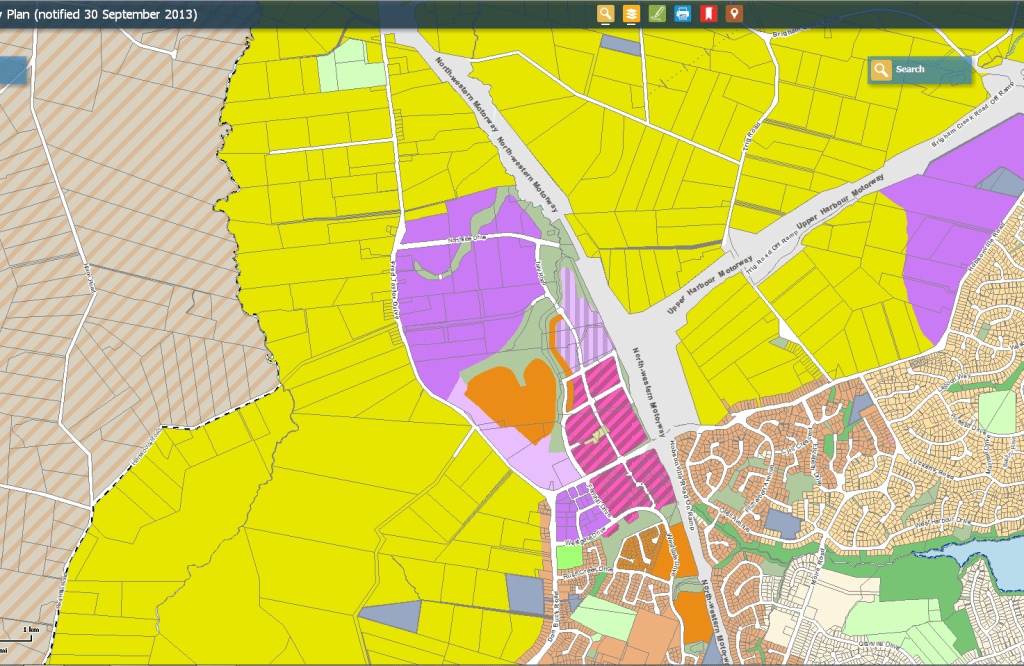
The Same Planning Failures as Seen in Albany and Botany At Least Manukau City Centre designed in the 60’s can be “upgraded” however… I saw this on Twitter … Continue reading The Weekend Analysis: Westgate – Nothing to be Proud Of
 Talking Southern Auckland