What Has Happened In this podcast I go through the motions of what came out of the Auckland Council Budget Committee that had sparked a debate about Rates rises … Continue reading Budget Committee Walk Through

What Has Happened In this podcast I go through the motions of what came out of the Auckland Council Budget Committee that had sparked a debate about Rates rises … Continue reading Budget Committee Walk Through
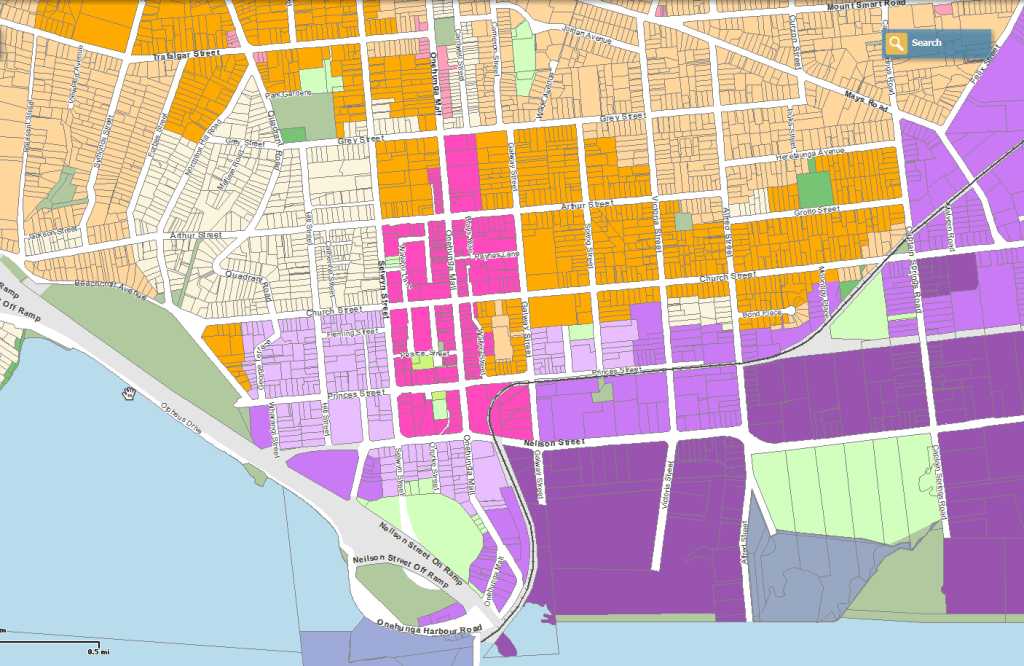
Unitary Plan could be dangerous to our industrial capacity now and into the future I alluded to in my previous podcast that the compact city model could be poisonous … Continue reading The Unitary Plan and our Industrial Complexes
Looking at Land Allocation, Transport, Jobs, Energy Efficiency, and Greenhouse Gas Waste In this podcast I follow on from my “The Unitary Plan, the Recent Valuations” and drill down … Continue reading Unitary Plan Analysis – Land and Footprints
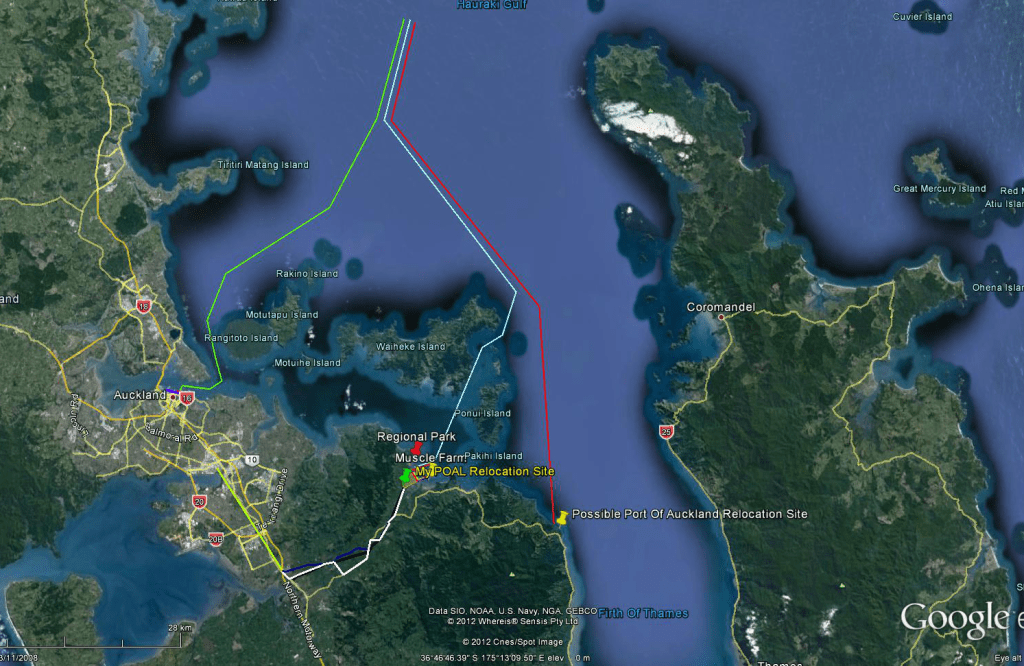
POAL’s Submission on the Regional Policy Statement – Issues of the Proposed Auckland Unitary Plan Those who have followed the blog for a while know that I ran a … Continue reading Port of Auckland – Relocation and the Unitary Plan

We need liberalisation in the Unitary Plan to smooth off sharp valuation rises I noted Transport Blog yesterday took a look at land and capital valuation movements noting where … Continue reading The Unitary Plan, the Recent Valuations

Onto the nuts and bolts of the matter From the Auckland Unitary Plan Independent Hearings Panel Hearings set to tackle strategic growth planning issues The critical planning issues … Continue reading Unitary Plan Hearings Advance
From Auckland Council
Cultural impact assessments: balance needed
“Protecting Auckland’s cultural heritage is a key part of Auckland Council’s job but so is making sure consent applicants don’t find themselves tied up in unnecessary red tape,“says Roger Blakeley, Auckland Council’s Chief Planning Officer.
“There is always a balance to be struck.”
Dr Blakeley was responding to public debate about the proposed Auckland Unitary Plan provisions concerning mana whenua including a public meeting tomorrow organised by the group Democracy Action.
He says the rules in the proposed Unitary Plan regarding sites of significance or value to mana whenua were brought in following feedback the council had received on the draft plan asking for more protection for cultural sites and places.
The Unitary Plan hearings process is now underway and the Independent Hearings Panel will review the rules as people have their say.
The Proposed Auckland Unitary Plan (PAUP) provides greater emphasis on the consideration of Mana Whenua values, establishing a framework for Auckland Council and Mana Whenua to work together.
It contains a range of provisions relating to Te Tiriti o Waitangi, intended to meet the council’s broad obligations under the Resource Management Act.
“In the meantime, we need to keep focusing on a balanced, workable approach. The ‘Cultural Impact Assessment’ that critics have been complaining about isn’t new – it’s been around for years.”
It is currently required in a very small number of cases where a property is near a site that is of value or significance to mana whenua and involves changes that could potentially impact those sites. This can include, for example, former burial sites or pa sites.
In the last six months, Auckland Council has processed over 6000 resource consents and less than 200 of them (3%) triggered a possible assessment. There have been 50 site visits and 12 cultural impact assessments formally requested in that time.
“As a council we’ve worked closely with iwi to find ways to minimise the impact on landowners and have introduced a facilitation service to simplify the process.
“This involves the council contacting iwi on behalf of the applicant, and the iwi will say whether an assessment is needed. Most people are taking advantage of the facilitation service.
“There is a misconception that these assessments involve some kind of veto from iwi. They don’t. They are about iwi providing expert advice. The council takes that expertise into account, but it is the council that makes the decision.
“While we continue working towards the right balance, it’s good to remember just how important protecting our Māori heritage is to Aucklanders – including recent arrivals who really embrace this aspect of their new home. It is our point of difference in the world. Like other global cities, we want to retain our heritage, as an important part of our culture and identity.”
—-Ends—-
Quoting again: In the last six months, Auckland Council has processed over 6000 resource consents and less than 200 of them (3%) triggered a possible assessment. There have been 50 site visits and 12 cultural impact assessments formally requested in that time.
After quite a few Memorandum for Counsel letters appearing (see: Developments from the Unitary Plan Hearings ) the Unitary Plan Independent Hearings Panel is working through things to simplify the processes.
From the Unitary Plan Independent Hearings Panel:
Help is at hand for submitters to the Auckland Unitary Plan hearings who are having difficulties understanding and navigating the hearings process.
The Independent Hearings Panel considering the more than 9500 submissions – and a further 3500 further submissions – says it’s important that the process encourages everyone to be involved.
One misconception is that submitters can only take part in the hearings process if they have legal counsel, expert witnesses and evidence.
The chair of the Independent Hearings Panel, Judge David Kirkpatrick, said this most definitely is not the case and while this was explained in documents on the Panel’s website, it needs to be highlighted.
“Some feedback is highlighting the complexity of the process and the difficulties some members of the public are having getting to grips with the key information so we are addressing that immediately,” said Judge Kirkpatrick.
“We want it to be as simple as possible for submitters to participate.
“The Unitary Plan process is big and complicated – it’s a complete review of the regional policy statement, four regional plans and seven district plans – but submitters can keep it relatively simple if they want to.”
Judge Kirkpatrick said Panel staff are:
This will all be available by the end of October.
The first Drop In clinic is at the Panel’s offices in central Auckland, another is being planned for Orewa and more will be organised around the region if there is demand.
The Panel may also consider holding a number of hearings outside of central Auckland and, possibly, outside normal working hours once more locally specific topics are being considered.
“It’s early days in a two-year process and as submitters get more used to the process and we make improvements, it will be much less daunting than some people have found it to be,” said Judge Kirkpatrick.
Panel staff are available to help submitters with questions and guidance through contact at info@aupihp.govt.nz or 09 979 5566
……….
This is a start. The Litmus Test will be the Regional Policy Statement, and the Rural Urban Boundary submissions working their way through the Hearings Panel now (where also the most anguish around the complexity of the Hearings process occurred as well).
I am not due to present and give my submission until next year.
I have seen this from Local Board Chair Peter Haynes in regards to a motion Councillor Cathy Casey put forward at the Unitary Plan Committee today:
I have noted from a couple of Procedural Minutes from the Independent Hearing Panel for the Unitary Plan as well as the Committee Agenda (see: website down so will get the link when it is back up) that the Council nor the Hearings Panel are particular interested in making resources available to submitting groups so that they can front the Hearings Panel better equipped. Furthermore the Minister for the Environment has refused access to those resources as well.
It definitely seems so after my previous Unitary Plan Hearings Already Into Trouble? first pointed it out.
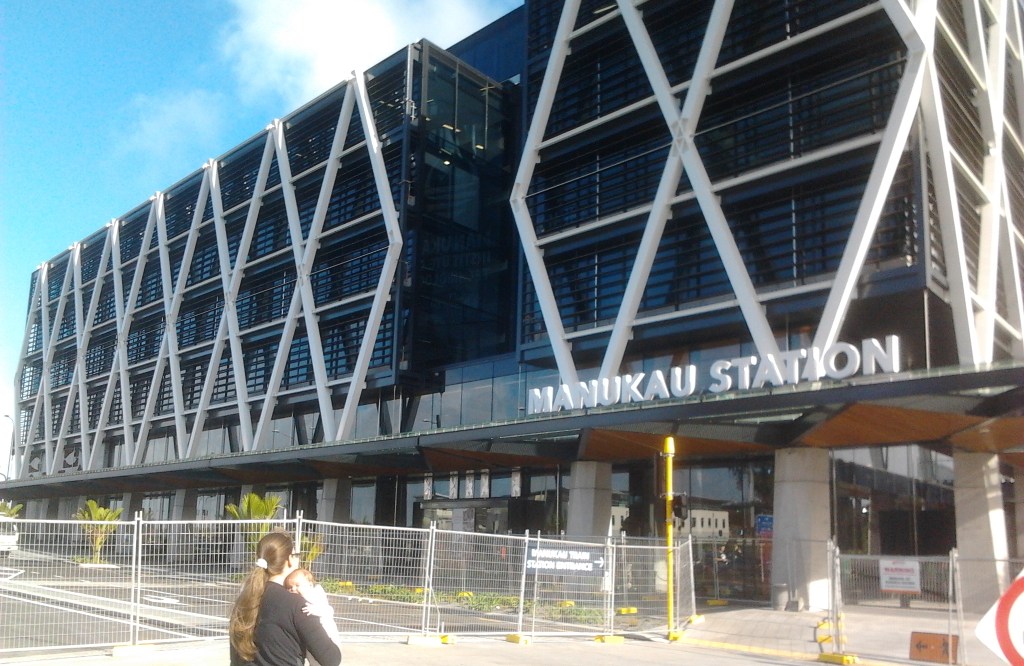
Or both North Shore Councillor George Wood stirred the pot again favouring bus over rail in his usual ‘Bus or Rail’ pieces often seen floating around Twitter and … Continue reading Train or Bus
 Talking Southern Auckland