NIMBYism in Mt Albert has correlation to housing shortage in Southern Auckland What would a Housing New Zealand project in a Special Housing Area in Mt Albert have to … Continue reading NIMBY’s Deprive Others Of Much Needed Housing
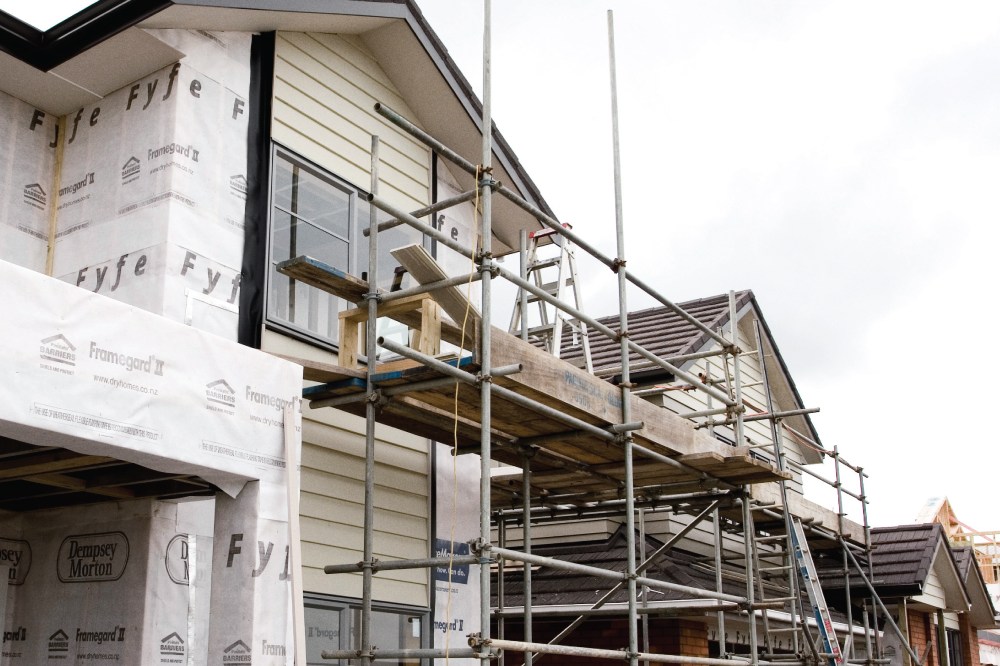
NIMBYism in Mt Albert has correlation to housing shortage in Southern Auckland What would a Housing New Zealand project in a Special Housing Area in Mt Albert have to … Continue reading NIMBY’s Deprive Others Of Much Needed Housing
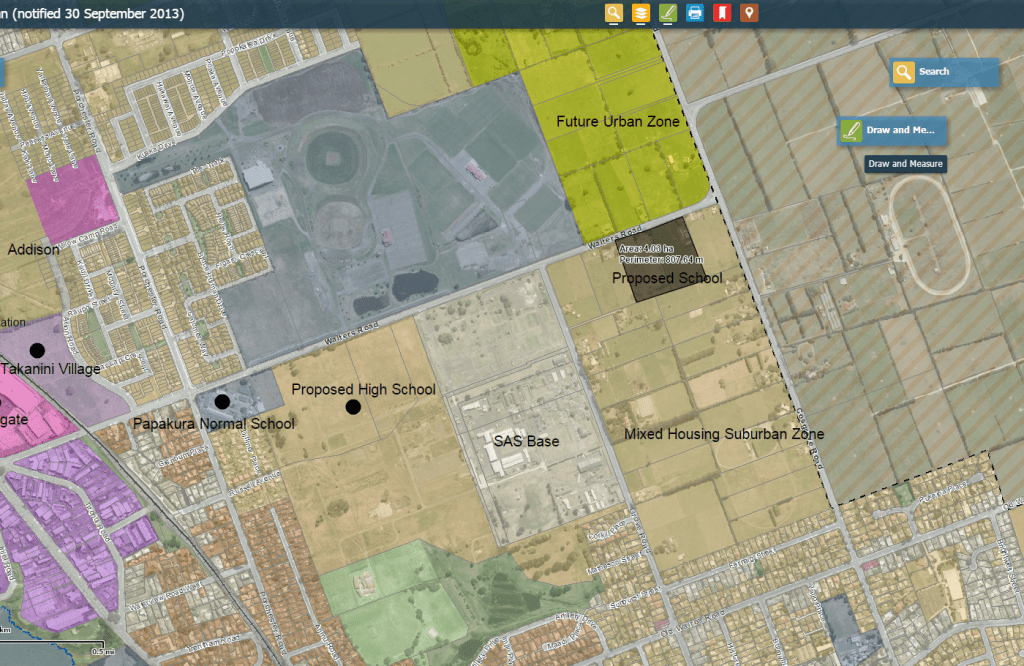
Seems we are getting a new school rather soon A reader alerted me yesterday to a Notice of Requirement being filed with Auckland Council by the Ministry of Education. … Continue reading Notice of Requirement out For new School in Takanini

Bob Dey continues the Unitary Plan hearings coverage Bob Dey continues his Unitary Plan coverage on the Unitary Plan hearings and where thing left off last month (Regional Policy … Continue reading Can Auckland Fit That Extra Million In, and What Changes is Council Looking at Already?

Bob Dey gives a prelude into the Unitary Plan Hearings (and Auckland’s future urban possibility) as we head into 2015 – head long Respected property and planning writer Bob … Continue reading Summary of Auckland Growth and the Unitary Plan Hearings Heading into 2015
I would argue ‘No.’ You often hear it being touted and it was done so in the weekend. That Auckland is booming and the provinces of New Zealand … Continue reading Does moving jobs from Auckland to the rural communities help either?
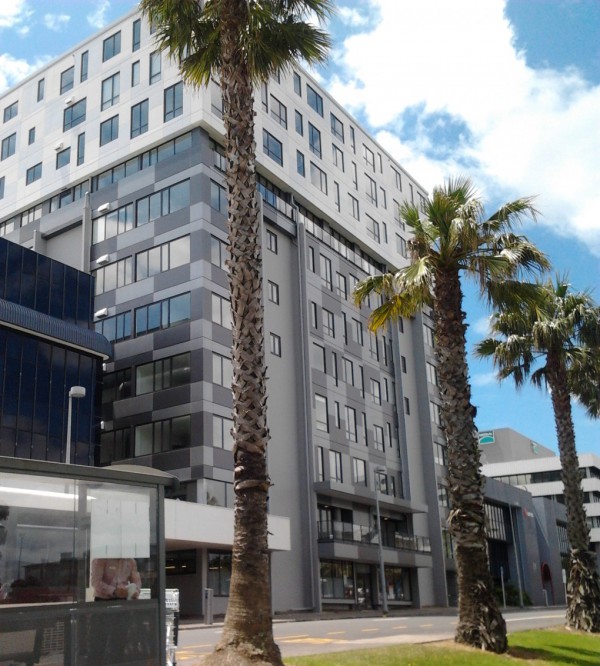
The march of housing in Auckland continues The Herald ran a thoughtful but half analysis into the sudden housing supply boom under way in Auckland. Of course there … Continue reading The Summer Weekend Analysis: Housing
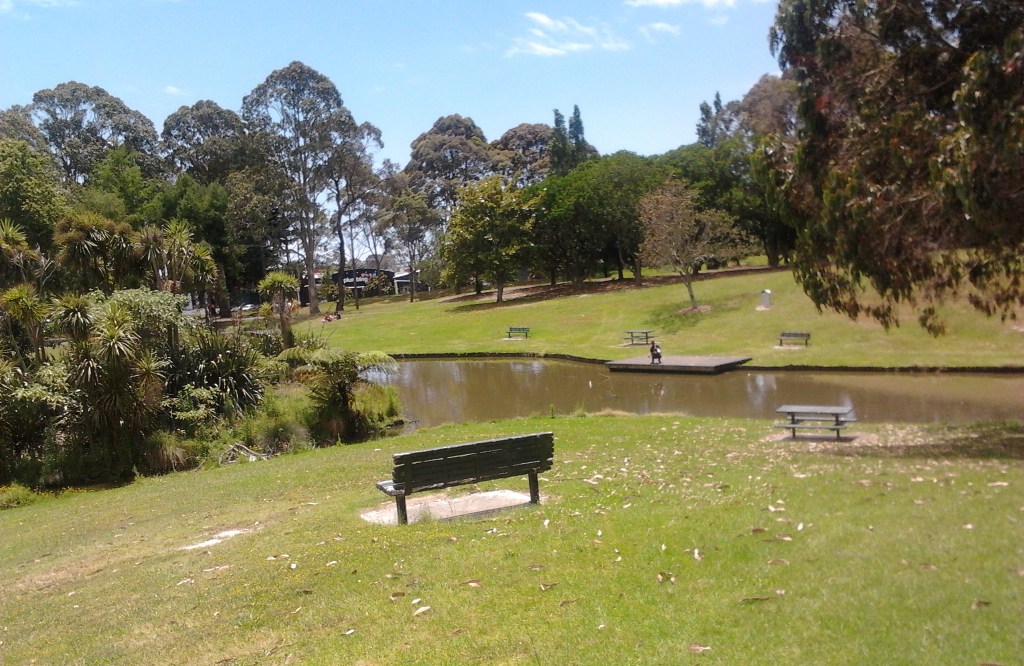
While needing some loving I did find a surprise along the way When I do not forget I usually take pictures during the Summer break when walking around the … Continue reading Talking Auckland Summer Series 14/15 – A Stroll In The Park
I am observing the Unitary Plan hearings currently under way in which the Panel is covering ‘Urban Growth.’
Currently the full panel is hammering Auckland Council over both the Rural Urban Boundary itself as well as Greenfield releases. Specifically around how the releases would be done and would the releases mitigate against land banking.
But the big revelation came from Council after Panel Member Shepard (http://www.aupihp.govt.nz/profiles/#panel) finally managed to get out them this:
Council to the Panel: “we’ve (Auckland Council) always been reactive and not having the budgets to service development”
Council was long warned on both those particular matters especially being reactive rather than proactive around infrastructure provisions. I distinctly remember early in the Unitary Plan debates in 2013 that we should be proactive rather than reactive with infrastructure provisions (amongst other things) but our Deputy Mayor, and Chief Planning Officer didn’t want a bar of it for being afraid of running into infrastructure surpluses rather than deficits as current.
In my opinion being proactive would not result in an infrastructure surplus. To get that you need a total economic collapse like the USA went through with the Global Financial Crisis which killed off many new Greenfield developments still sitting idle today and giving rise to that surplus. Auckland right now is not teetering on such collapses so we should be getting proactive rather than be reactive which proves to be more expensive as the Council is commenting now on not having the budgets.
Well this is interesting:
Fuller: Has there been a detailed economic study on house price on the compact urban form?
Fairgray No
No wonder why Council has at the moment buried the Cost of Growth Study until next year after it was meant to be released this month. It seems Council has NOT done any detailed economic studies on house prices via the compact city model….
Lessons for Sydney here as it embarks on its own Sydney Plan (A Plan For Growing Sydney)
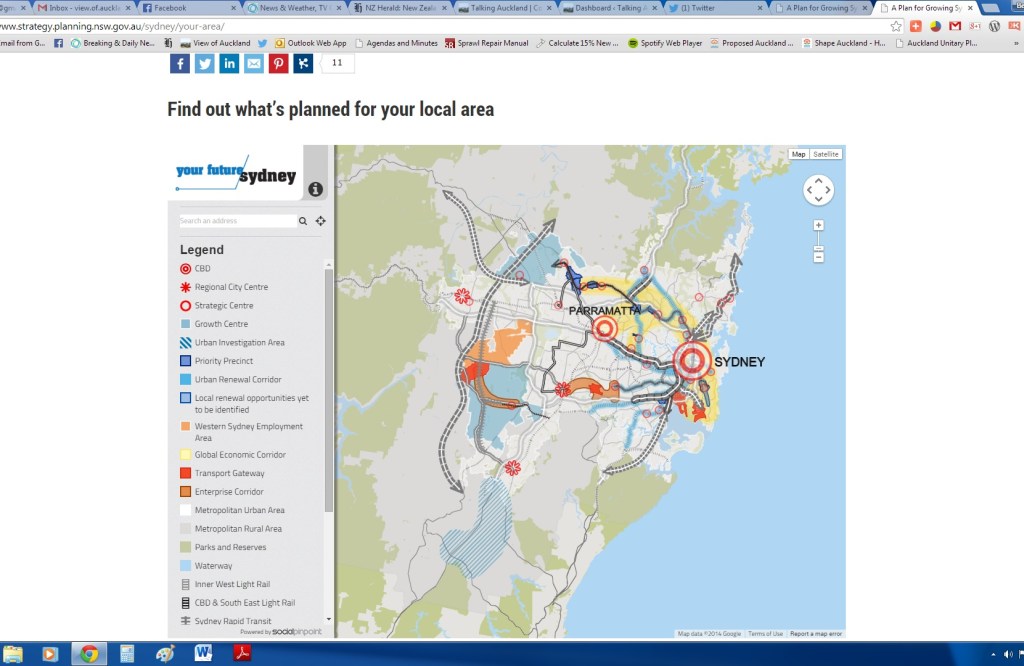
New South Wales Releases its own (Sydney) Plan After Sydney left Auckland for dead with a Transit Orientated Development that effectively paid for itself (https://voakl.net/2014/11/28/sydney-leaves-auckland-for-dead/) it seems New South … Continue reading A Plan For Growing Sydney
From Albert-Eden Local Board
Albert-Eden Local Board is in the early stages of developing a masterplan for Chamberlain Park and wants to know what users of the park and local residents think.
The board has extended the survey period, which offers Aucklanders the opportunity to provide input into the early stages of the planning process, until 30 January 2015.
Local board chair Dr Peter Haynes says the board has been overwhelmed by the amount of community interest in the future of Chamberlain Park already, and wants to ensure that all groups have the opportunity to provide input.
“This is the first stage of a significant process for the future of the park and it’s important that we start with a clean slate and consider as many ideas as possible.
“Right now, we are faced with a dilemma – the Albert-Eden area has Auckland’s lowest levels of open space with only 2.8 hectares for every 1000 residents.
“We also have almost one third of the region’s capacity shortfall in sports-field provision – this means that, with no real scope to add or improve more playing fields, many players are missing out.
“Projected population growth, lack of suitable land and funds to buy and develop more parks, and the changing needs of our people demands that we make smart decisions about the future use of places like Chamberlain Park.
“We need additional parks and reserves to allow residents to lead active and healthy lives,” he says.
People can complete the Albert-Eden Local Board’s online survey at shapeauckland.co.nz until 30 January 2015. The survey is a first-look at all of the possibilities for the park, including the adjacent Rawalpindi Reserve and the Western Springs Garden site, and asks people’s views on:
In keeping with exploring all options for the park, the survey asks for the public’s views on housing; however the board itself does not support this as a future possibility for the park.
“No decisions will be made on the future of Chamberlain Park until extensive consultation has been carried out. It will consider the interests of all users of the park and the wider community,” says Dr Haynes.
Dr Haynes points out that studies of golf trends indicate a preference for shorter courses with starting-new-at-golf facilities and driving ranges.
“Shorter courses are increasingly popular overseas, and learn-to-play facilities enhance the chances that we’ll see another Lydia Ko emerge in Auckland.
“The demand and market for golfing provision is changing. This is an opportunity to review facilities in light of current pressures for open space and recreation provision within the inner city.”
Once survey results have been collected, options will be developed for further consultation. This is likely to be later in 2015.
Further Information
On behalf of New Zealand Golf, O’Connor Sinclair prepared National and Auckland Regional Golf Facility Studies (2013). The studies identified the following golf course trends and issues. This summary is derived from: “Auckland Golf Facility Strategy New Zealand Golf”. Findings include:
—-ends—-
 Talking Southern Auckland