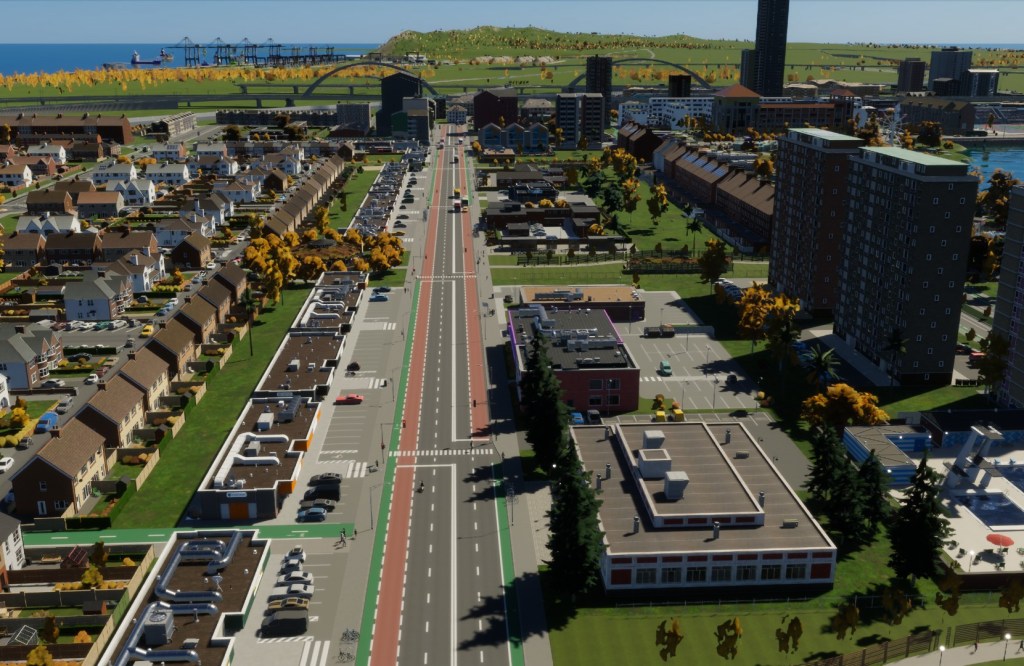
No they do not impact arterial roads nor the movement of people and goods, at least not negatively!
It seems that a policy push to introduce 30km/h speed zones in Sydney managed to have every non Planner and Engineer trot out the same myths on how the zones would “cripple” the city. Despite the fact:
- The AUSTROADs guide on speed management is pretty clear why we have lower speed limits and zones in urban and metropolitan areas
- The same AUSTROADs guide deals with moving people and goods efficiently on roads without sacrificing urban and metropolitan amenity boosted by low speed zones on the streets
- Cities around the world have implemented low speed zones (~30km/h) to great positive effect INCLUDING average speeds increasing lifting the productivity of moving people and goods around
The AUSTROADs guide can be read here:
If you are wondering about the myths constantly trotted out the mains ones are here:
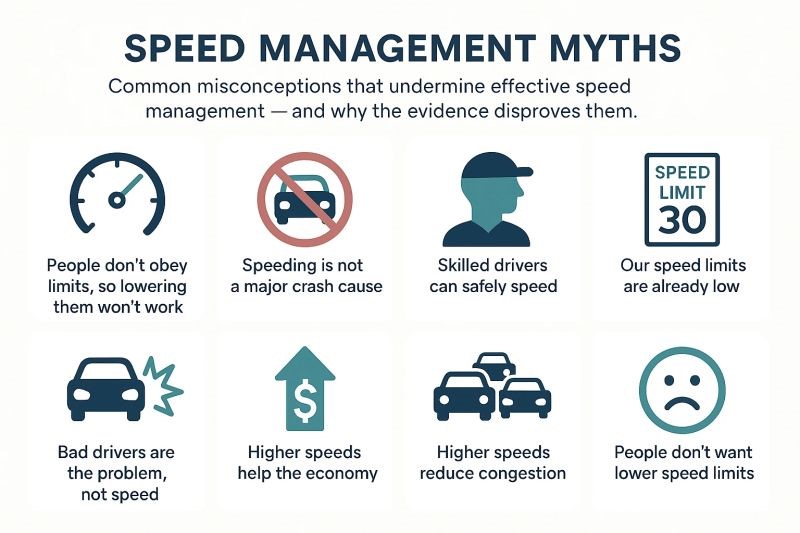
Typically one of the above myths will get picked on which illustrates a knowledge gap in the integrated land use / transport ecosphere. Other times all of the above myths will get picked on illustrating the knowledge is there on the ecosystem but most likely ideology is getting in the way of evidence based policy. The same policy we planners are ought to be following.
The most important thing to realise is that lower speed zones work are applied against a wider urban geography system. Meaning that system is going to be heterogenous and thus why we have different grades of roads and streets in order to service that system. Note I am using the term road and street as both serve very different characteristics within that urban geography system. In short roads are designed to move people and goods efficiently across the city. Streets are designed to serve people and be the extension of living and social interaction spaces whether it be residential or inside a centre.
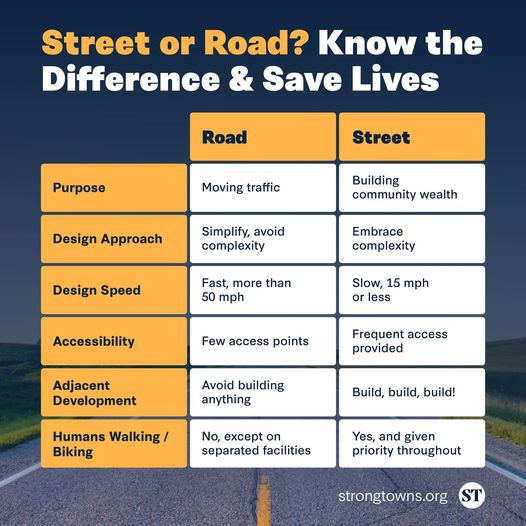
And with that applying 30km/h zones to your streets while keeping your roads at 50km/h (unless they are the main street of a Town, Metropolitan Centre, or carrier in a City Centre to which 40km/h would apply as there are still large amounts of other road users in proximity).
Urban Islands, helping in where to apply those low speed limit zones
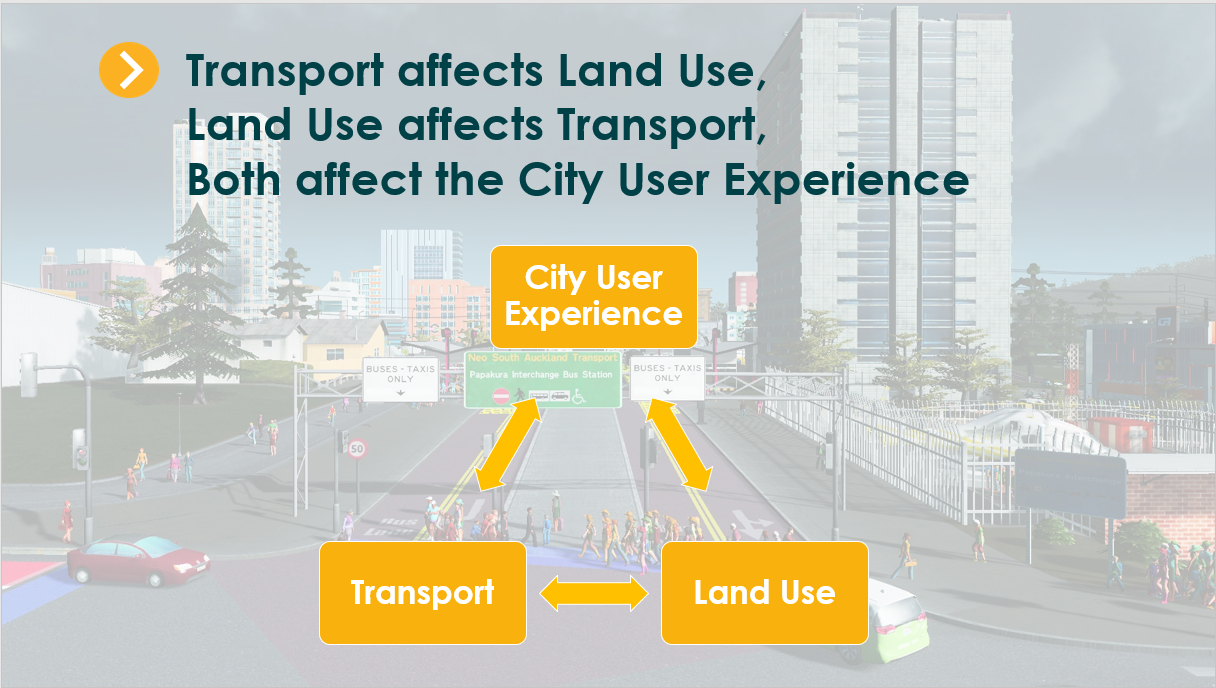
The wider urban geographic ecosystem in a nutshell. Its consequences? The city user experience! Whether it be residents, visitors (including tourists) or businesses, they are all users and experience the urban geographic ecosystem.
So how do we balance the movement of people and goods, with community and social interaction. By adapting the land use match both. Remember though efficient movement through roads are incompatible with community and social interaction on streets. Meaning a road is pretty hopeless in promoting that social interaction and community while streets are as hopeless in moving goods and people efficiently. And trying to match a particular land use pattern to the wrong type of road or street gives us the woes we face to day with isolated communities, and people and goods not going very far.
Enter the urban islands or super blocks.
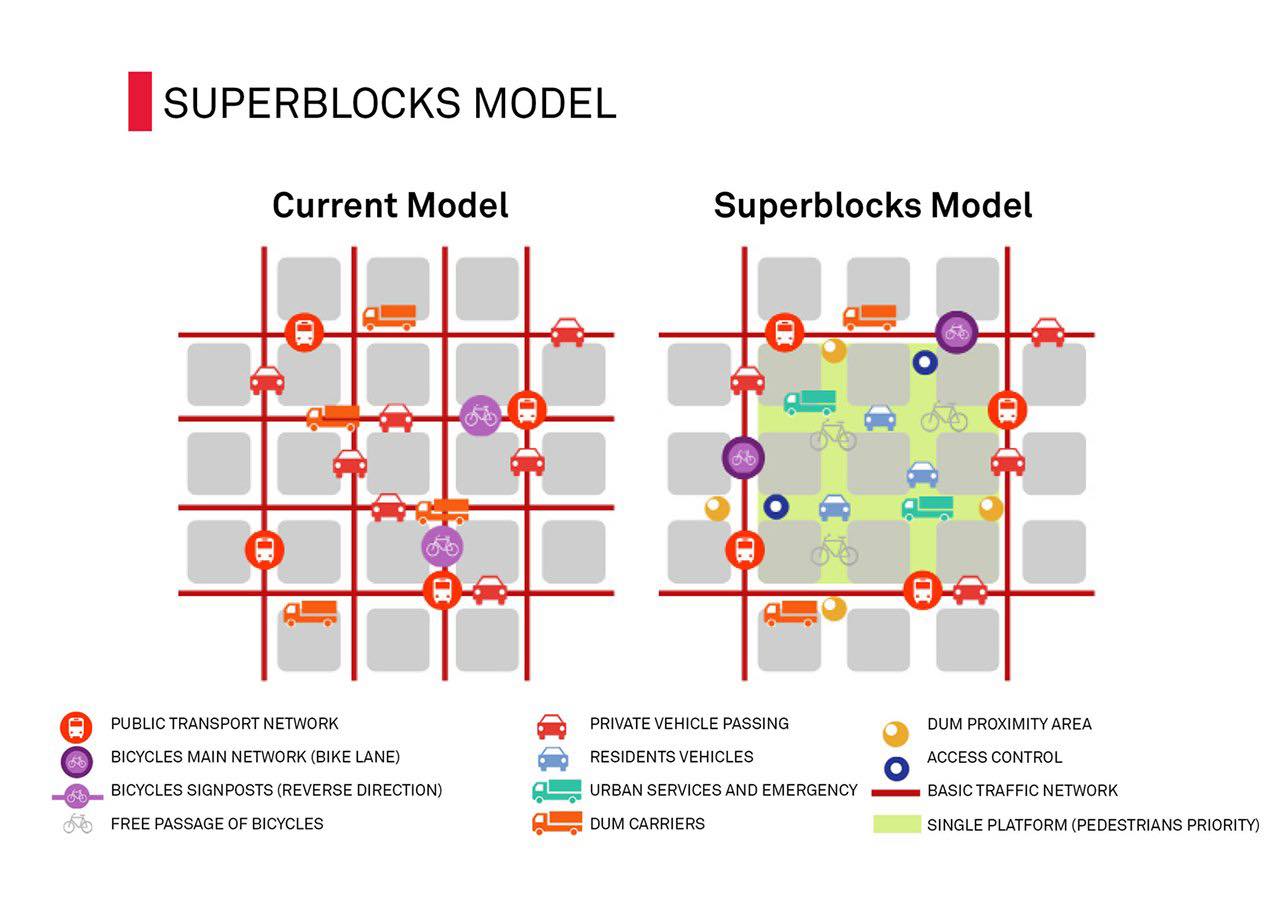
Ironically Super Blocks is not a new concept from the Northern Hemisphere but one that goes back through the advent of the city thousands of years ago. Super blocks have evolved as transport and industrial technologies have progressed but the premise is the same as what was all that time ago.
Your roads (and larger scale transit lines like Metro Rail, Heavy Rail, Bus Rapid Transit) run around the perimeter of an urban island or superblock while your streets for the interior network where your community and social interaction occurs. Note that I allow some buses and even light rail inside of the urban island as they are suited to move mass amounts of people especially inside high density residential areas, Metropolitan Centres, and City Centres!
The urban islands are interlinks by larger arterial roads, rail based transit and beyond that highways to allow those people and goods to move efficient without sacrificing community and social cohesion. I will note some commercial and industrial businesses will be suited more to roads than streets. That is perfectly normal. HOWEVER, residential is not ideal especially for larger roads unless they are well insulated and have green amenities in very close proximity to offset the negative externalities of the roads.
Consequently street and road selections are important:
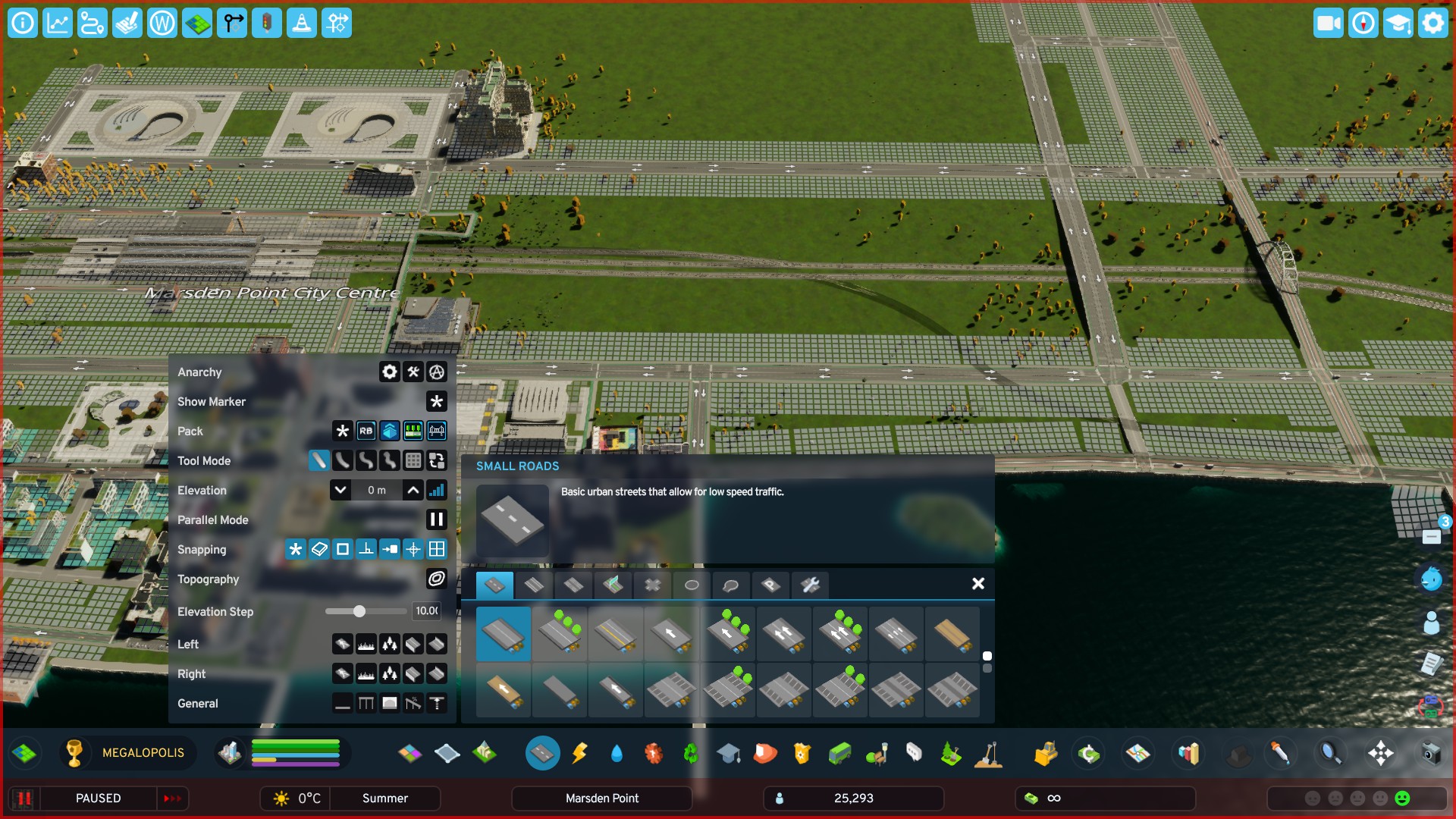
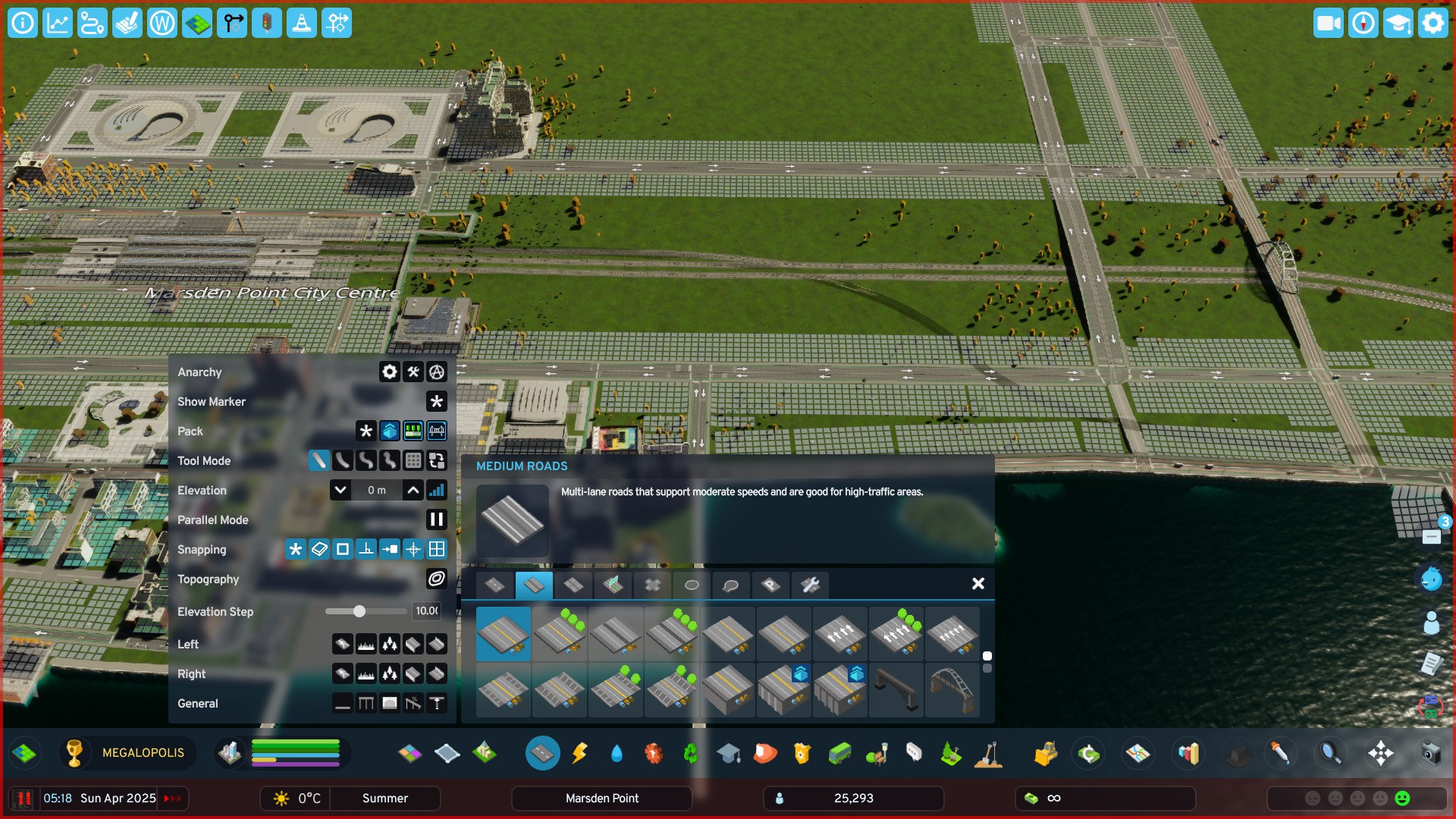


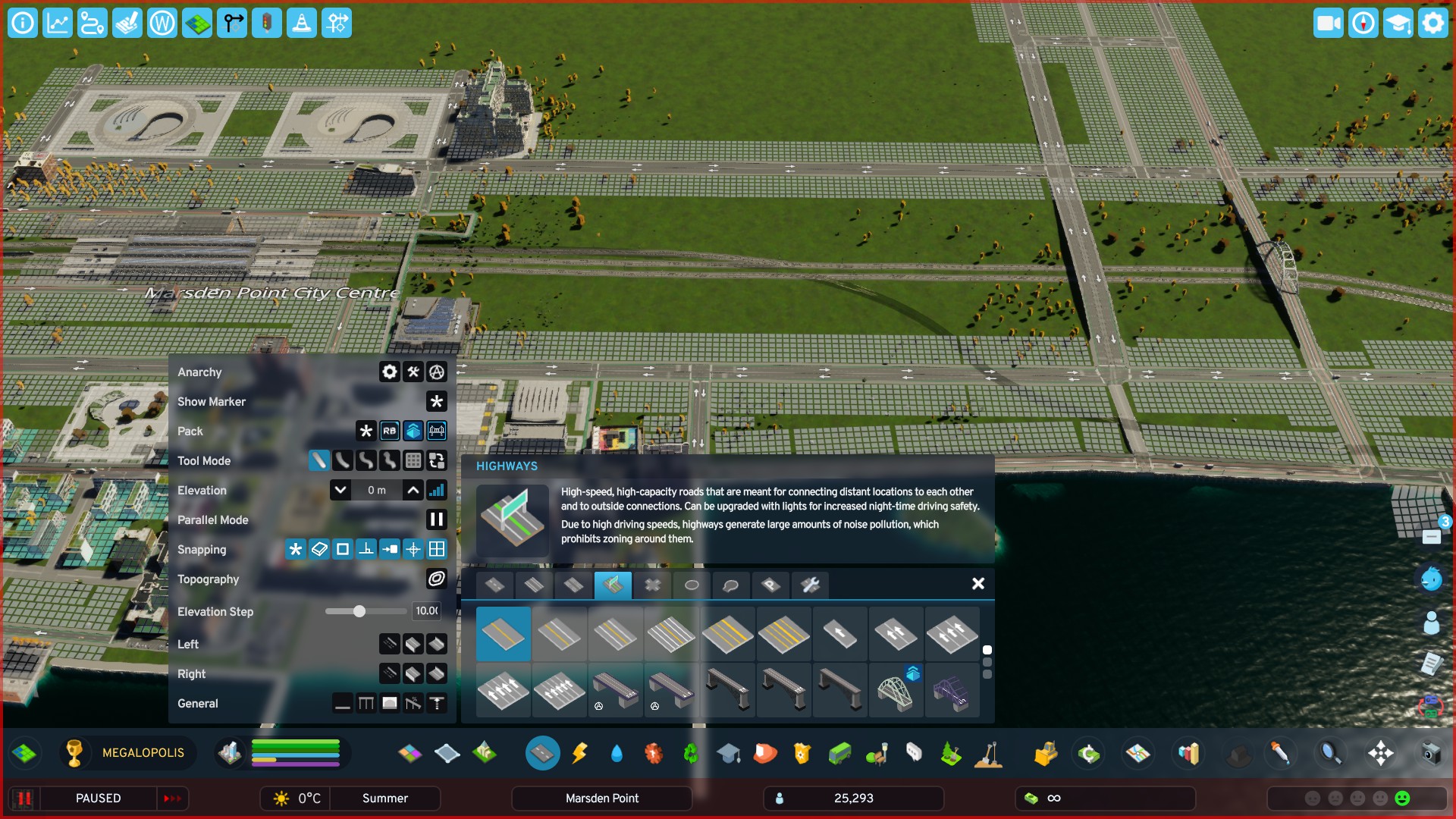
As are enhancements such as tram lines, bus lanes, cycle lanes, and cycle ways:

So where does your 30km/h zones go? Inside the Superblock along all its streets. Where does your 40 and 50km/h speed limits apply? The roads serving the perimeter of the blocks and connecting said blocks to each other.
Result: connected communities, social cohesion, and your people and goods still able to move efficiently without conflicting with each other.
Below are some examples of urban islands or super blocks being used. Note the land use patterns, the streets or roads servicing them, and whether I have added enhancers such as light rail, bus lanes, and/or cycle lanes to assist people and goods moving.
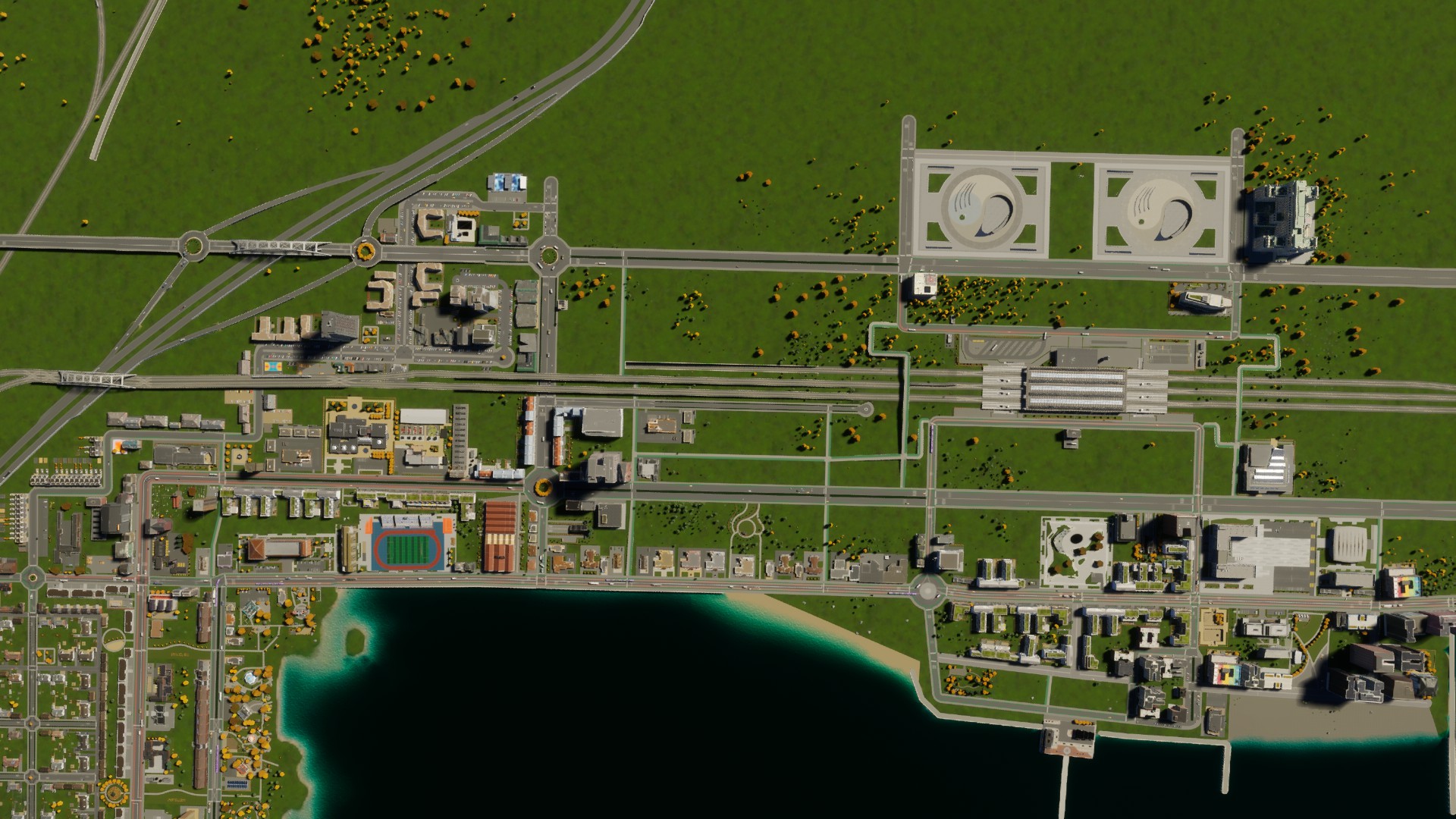
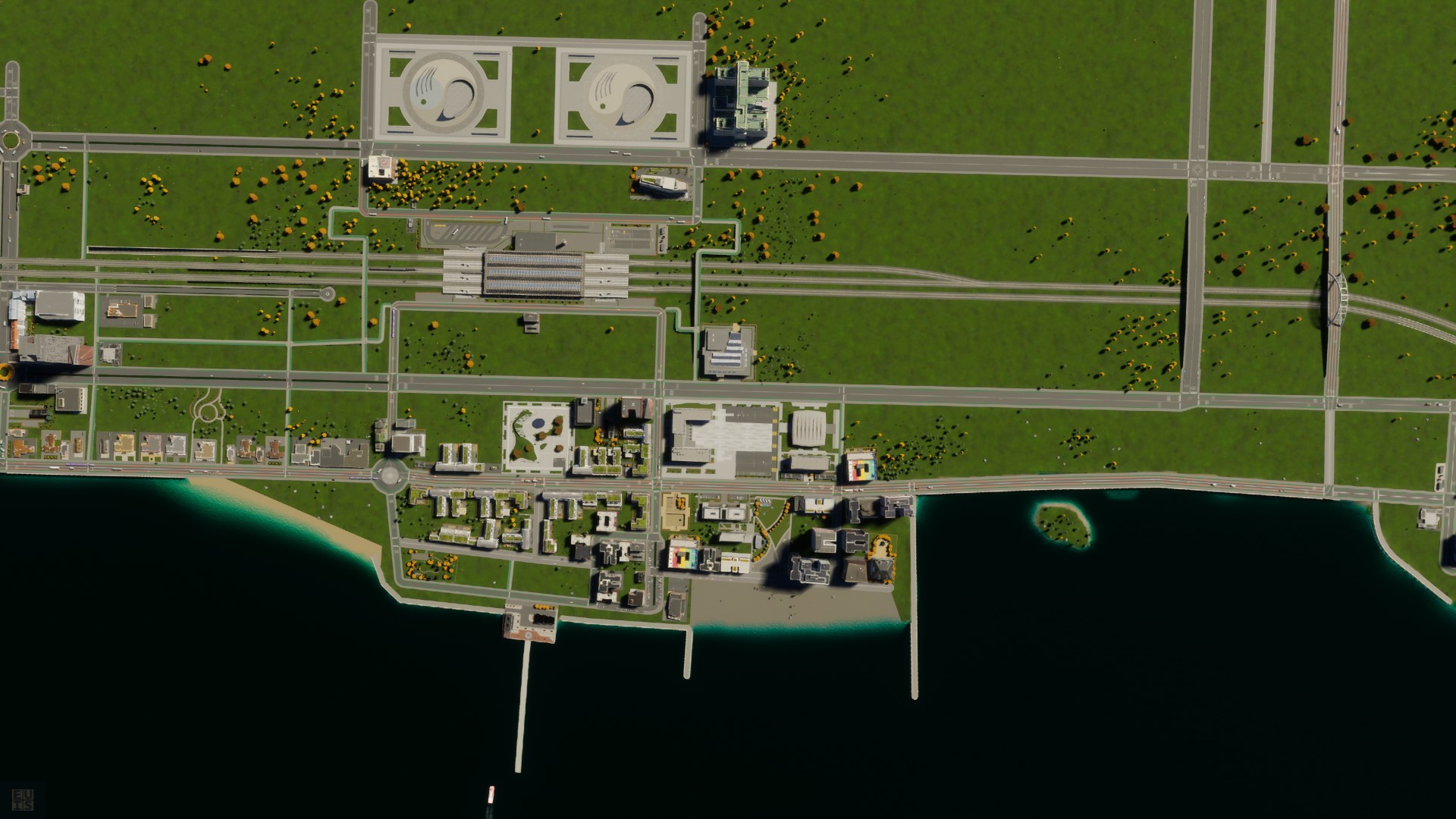
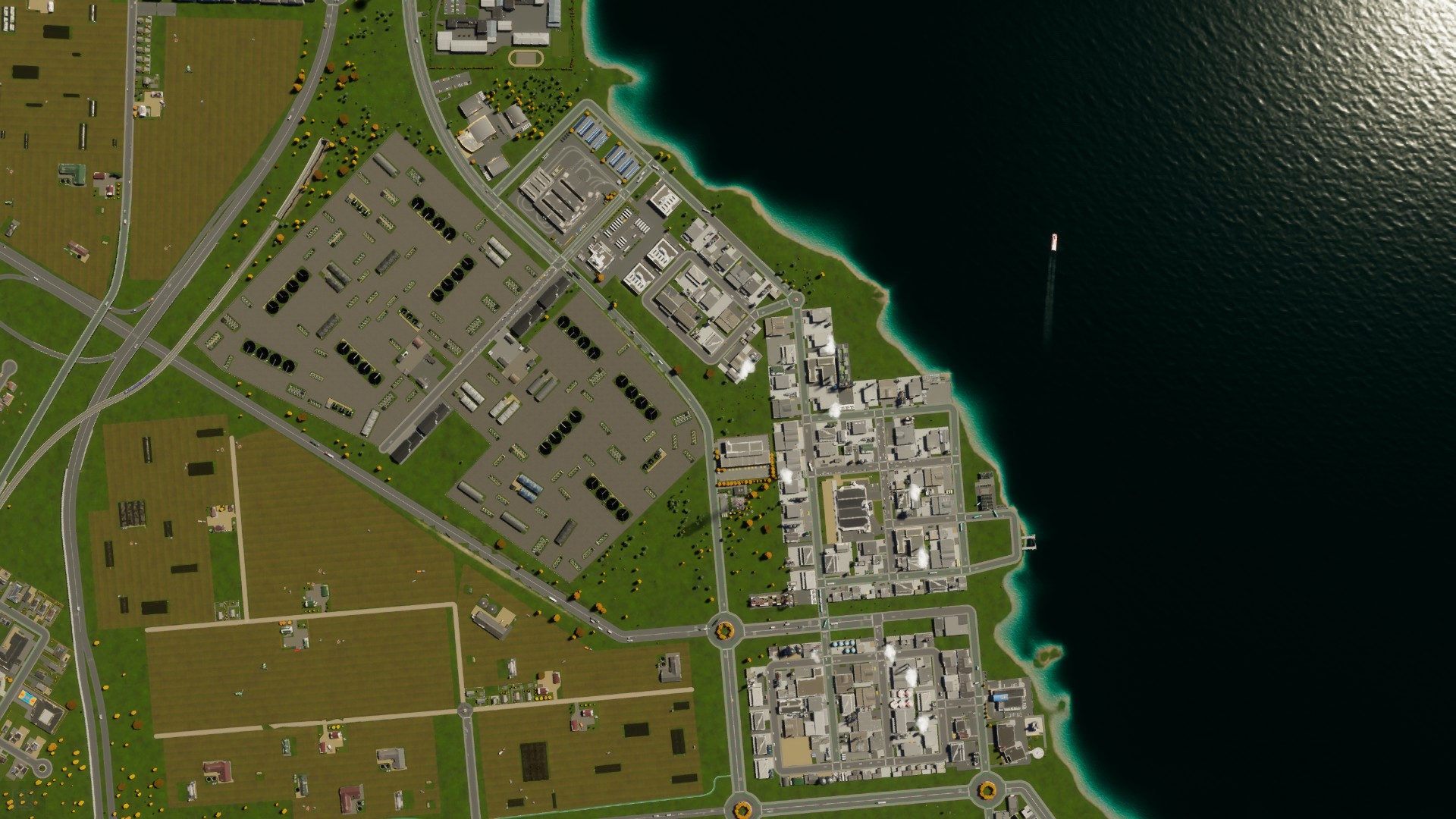
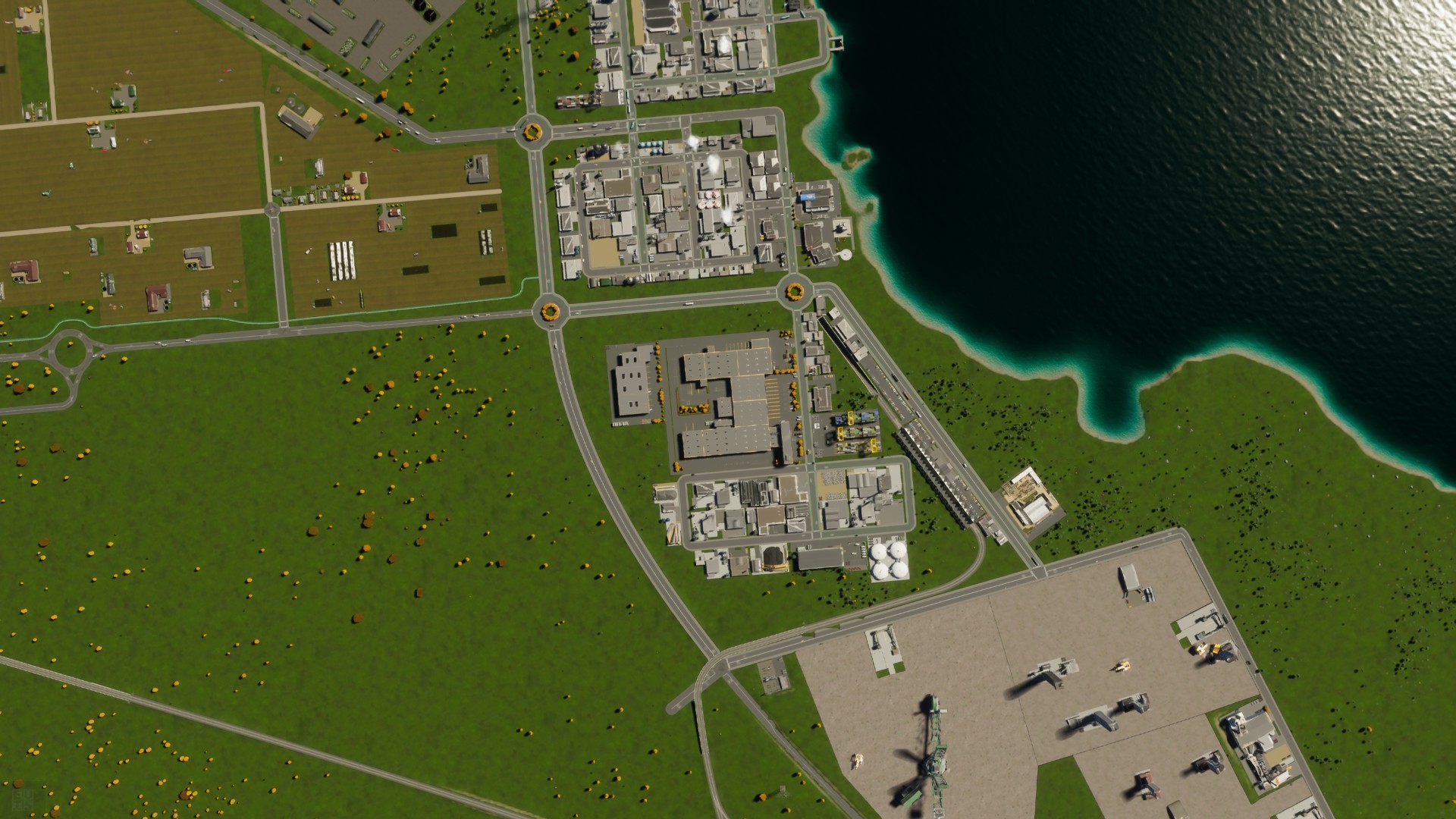
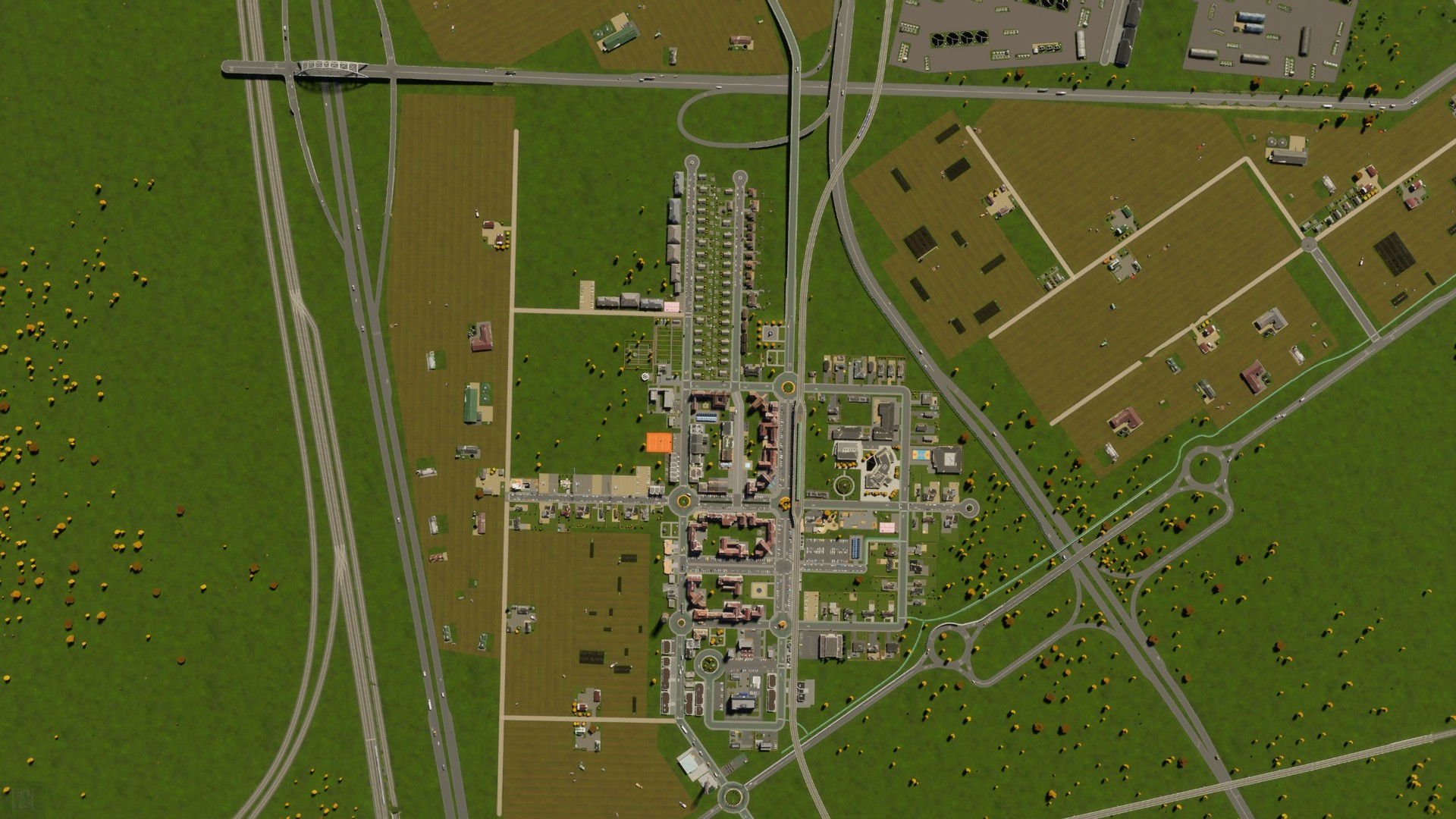

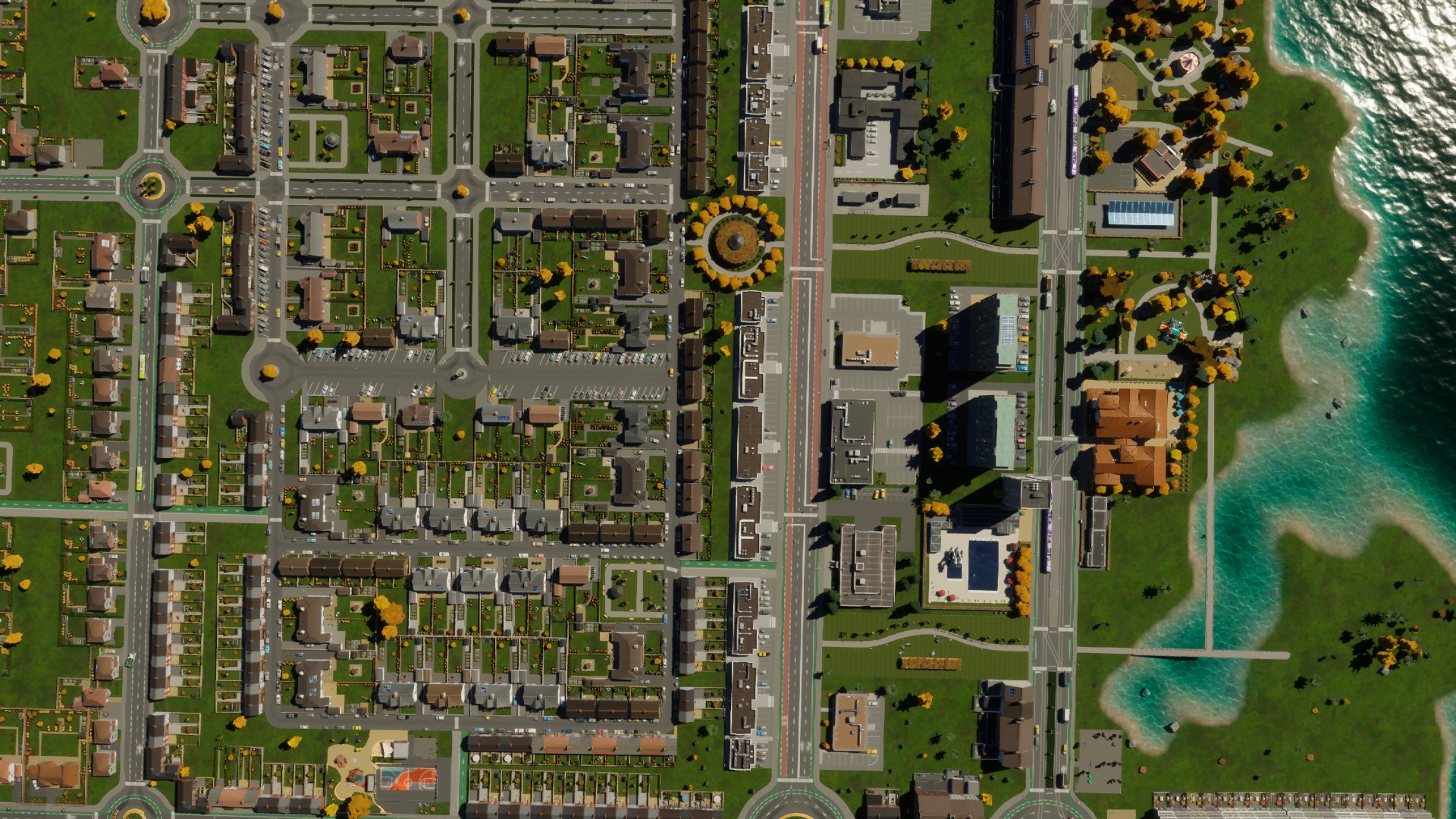
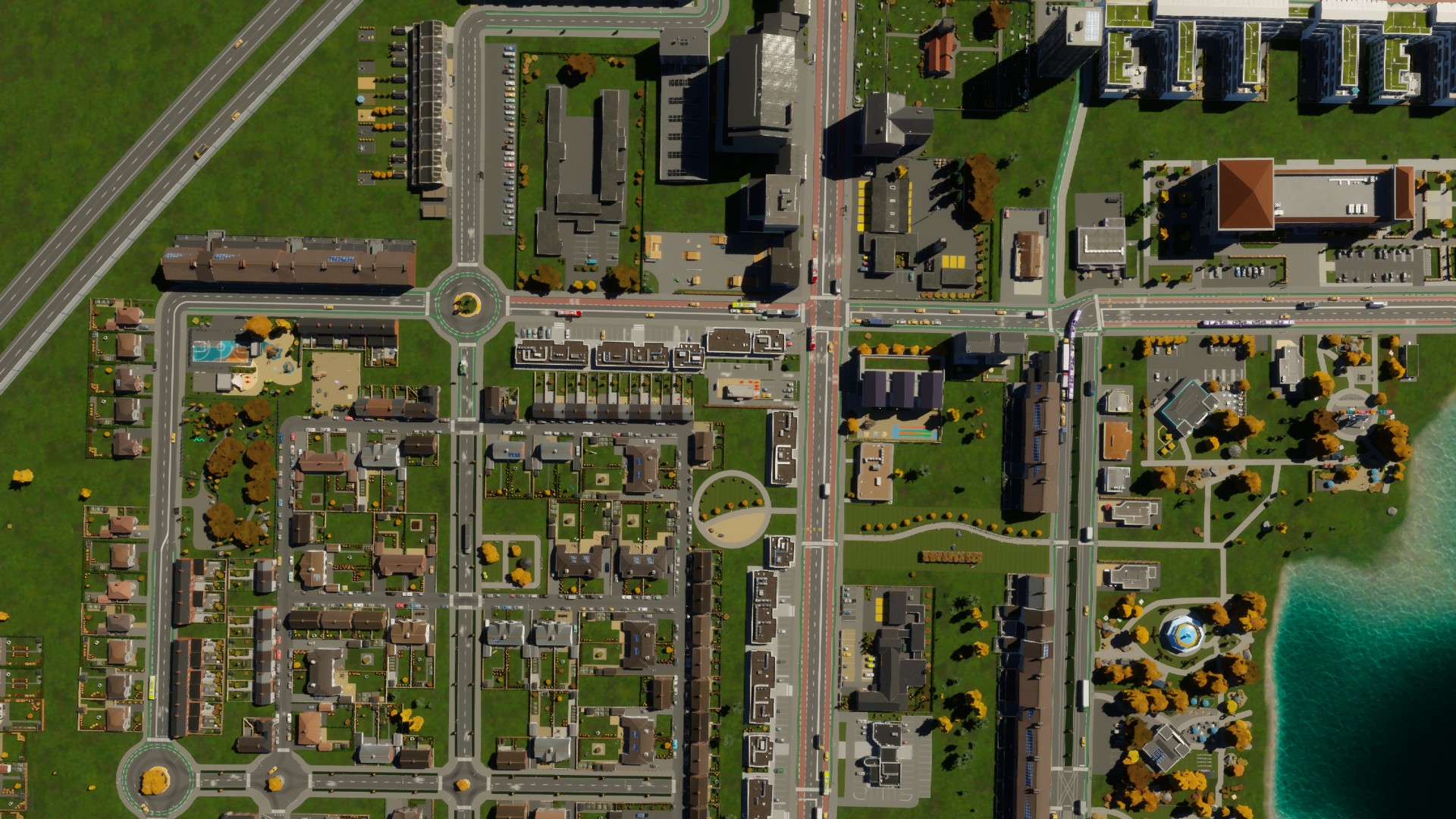
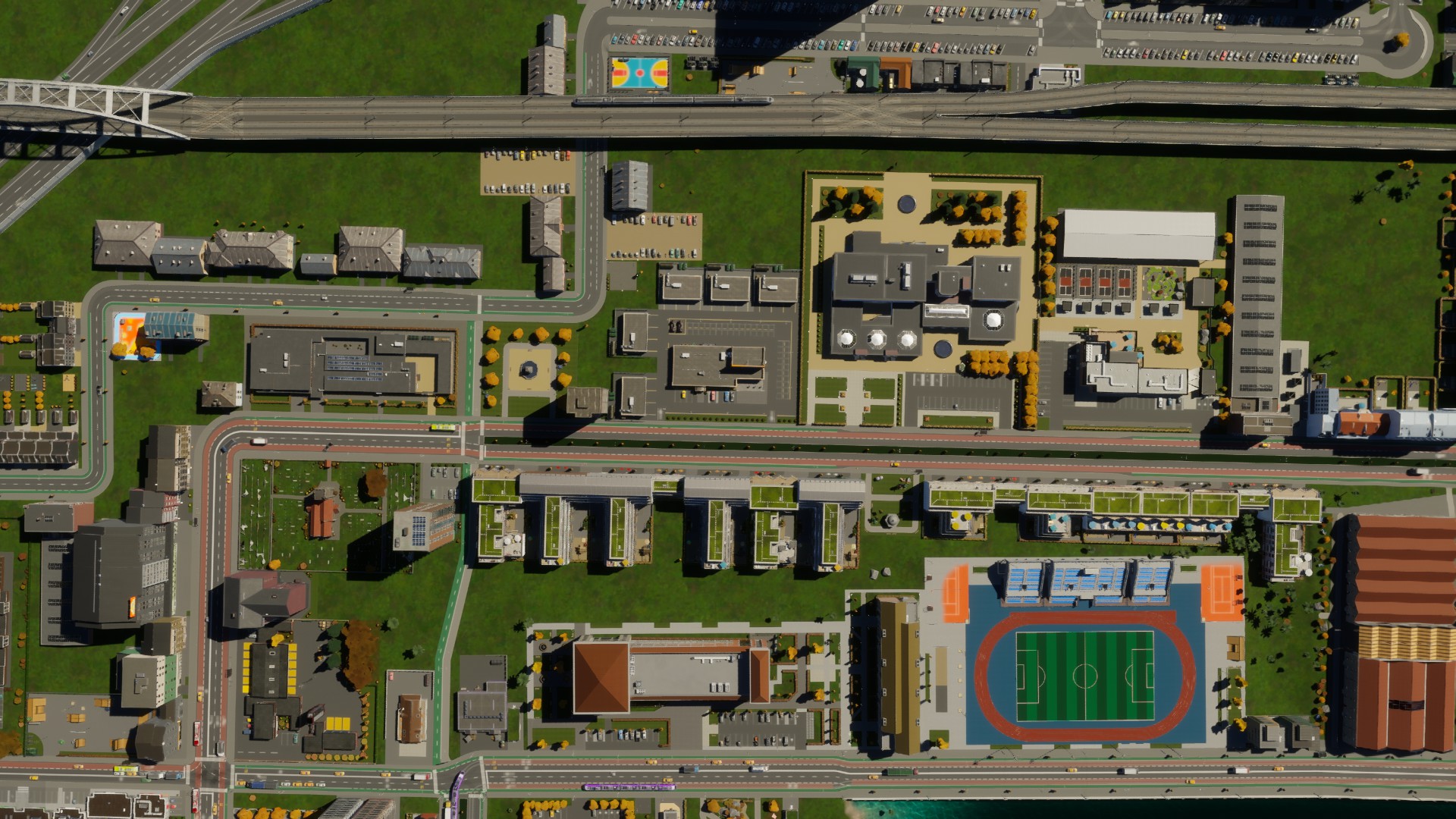


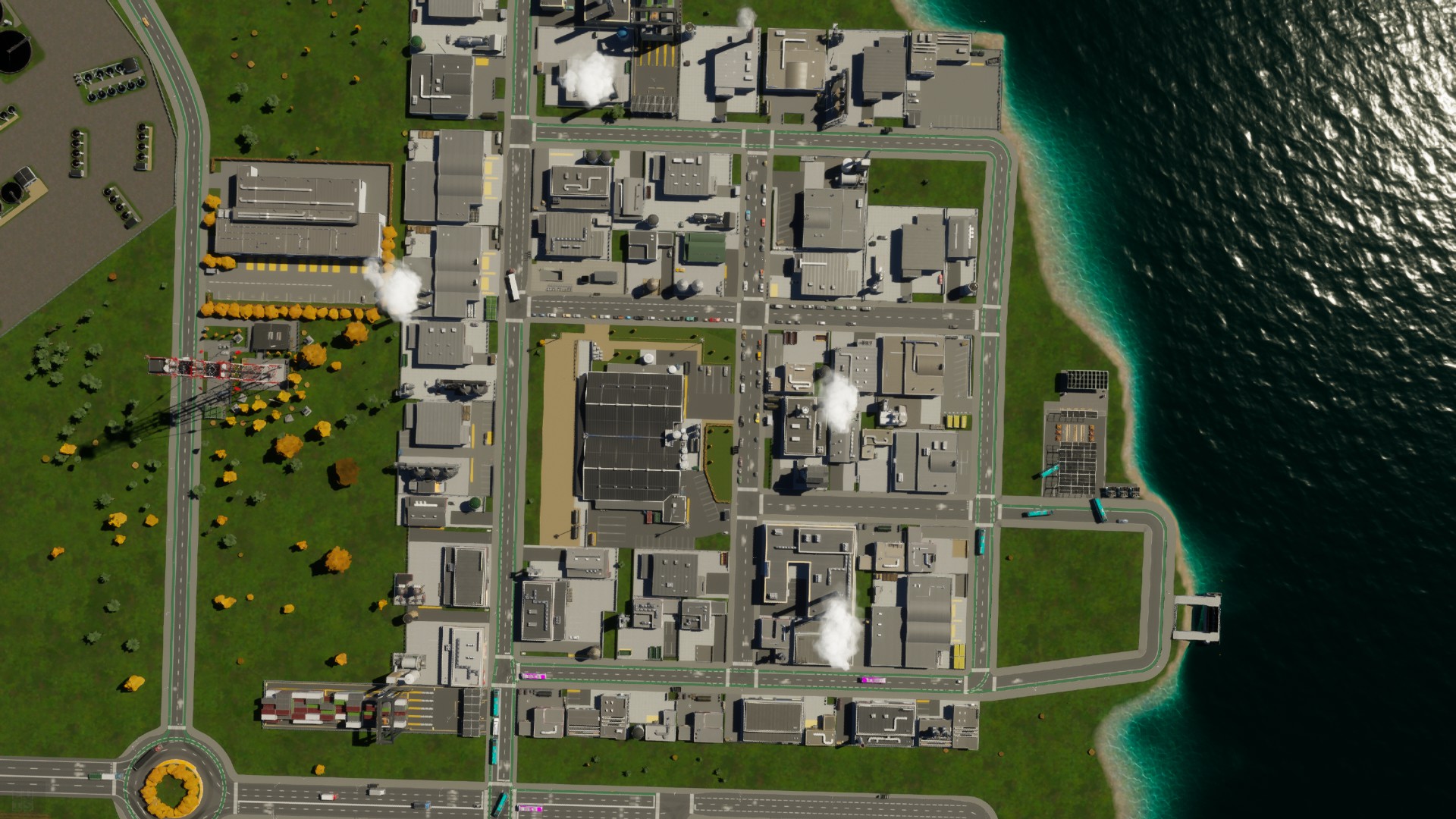
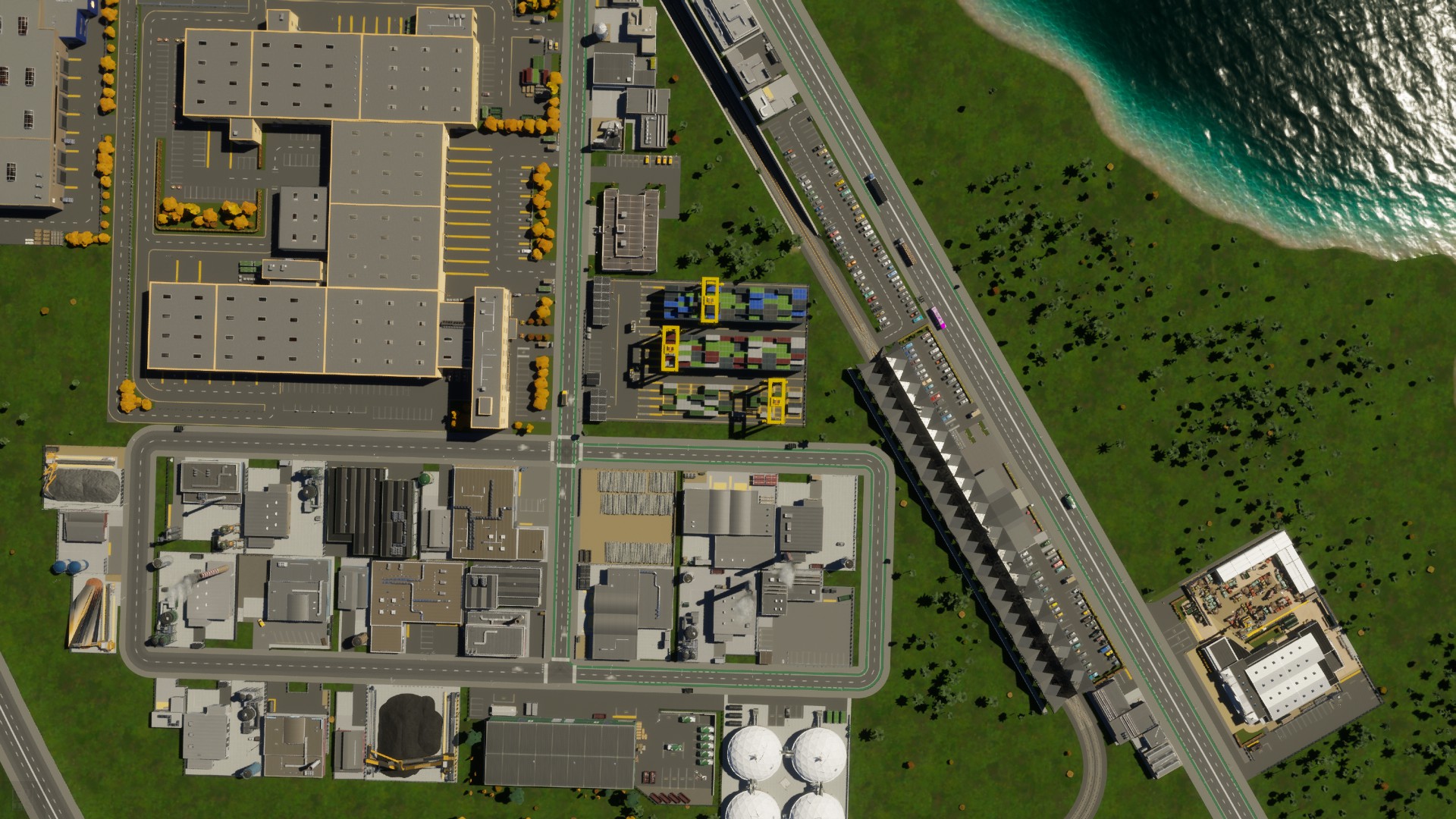
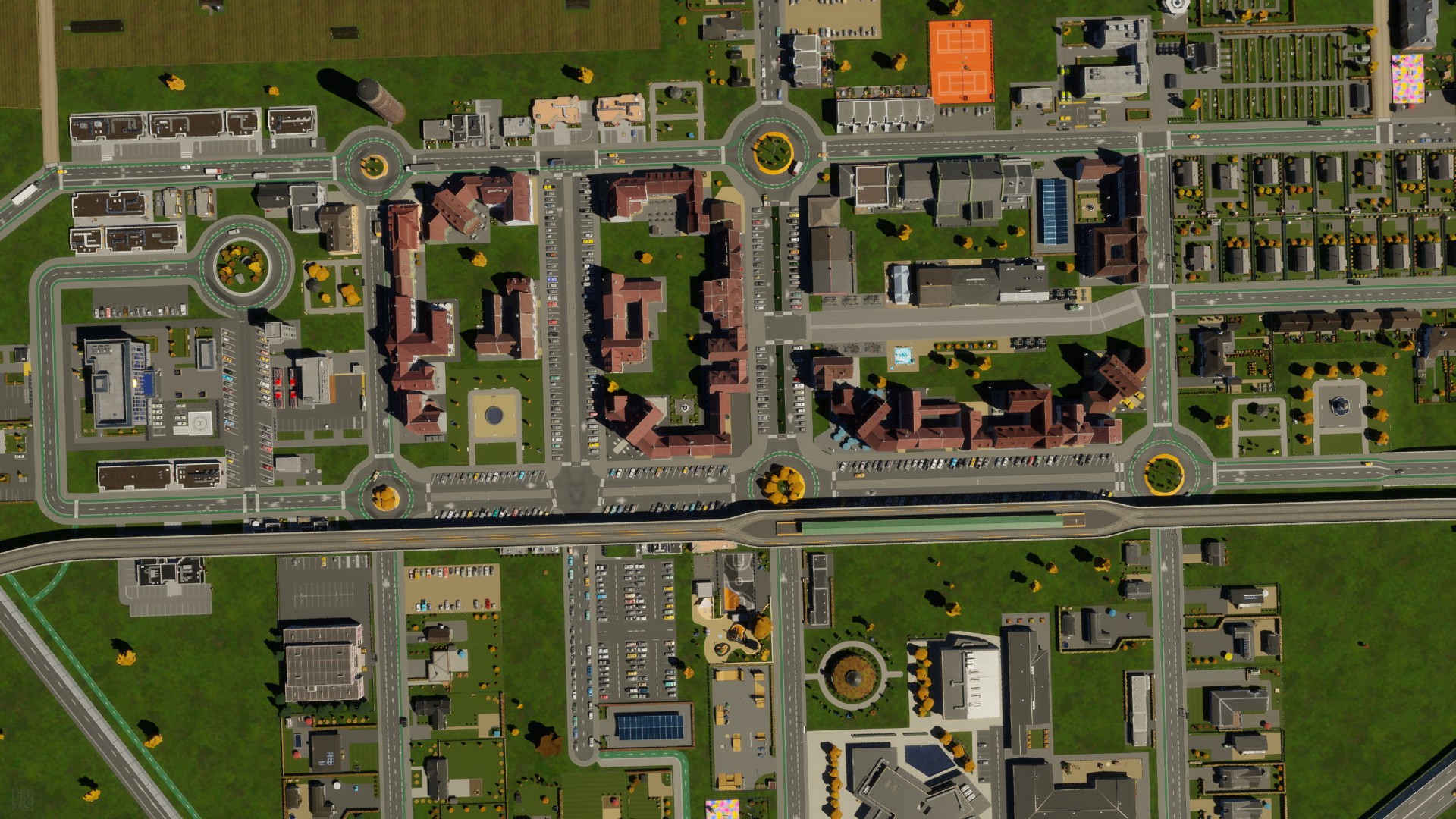
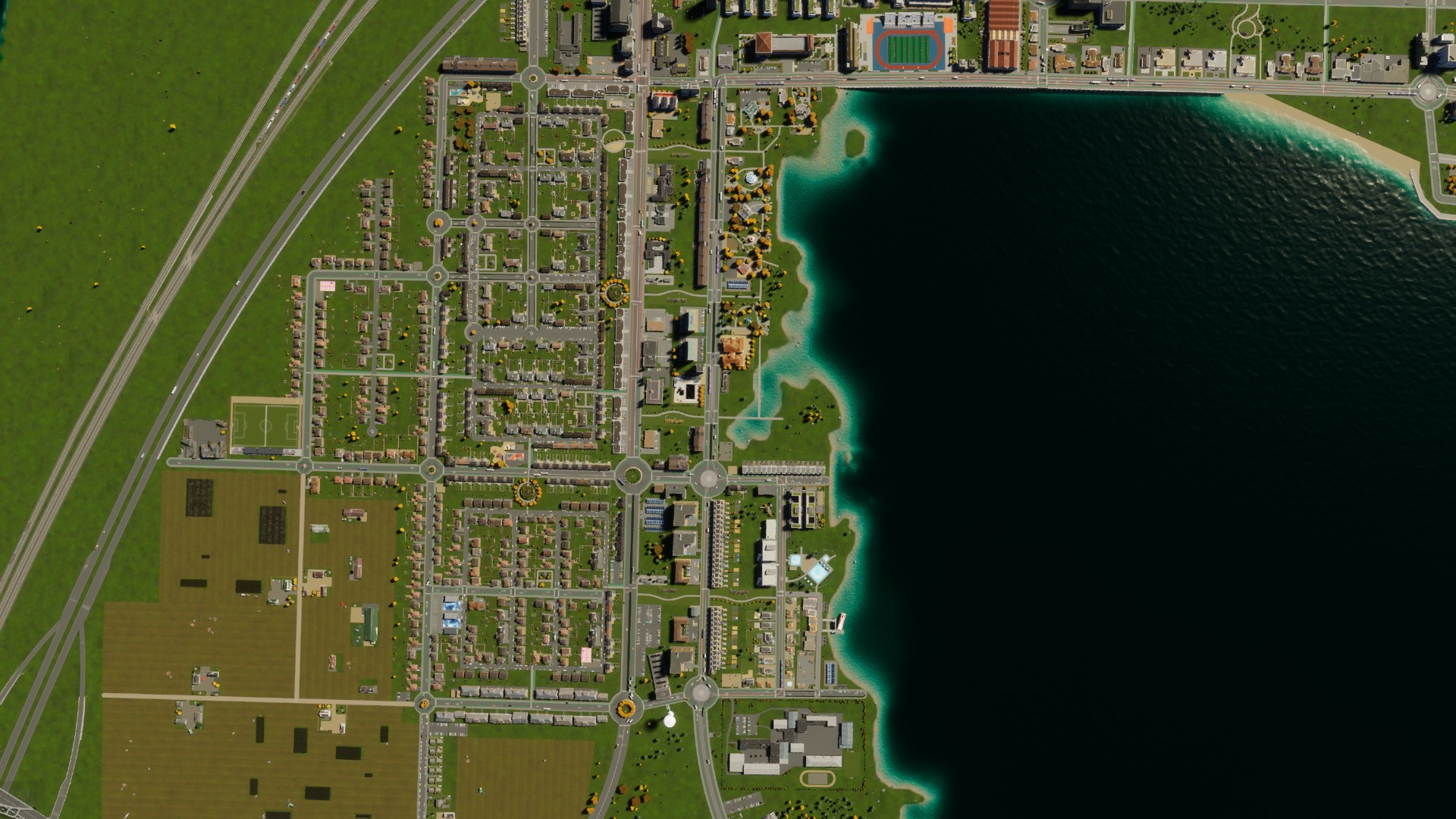
The next set are from an closer view point where you can see the different transport options (including end of trip facilities) supporting the urban island / superblocks. In my larger cities I will purposely ensure lower speed limits might otherwise apply to allow for higher average speeds through more efficient flow:

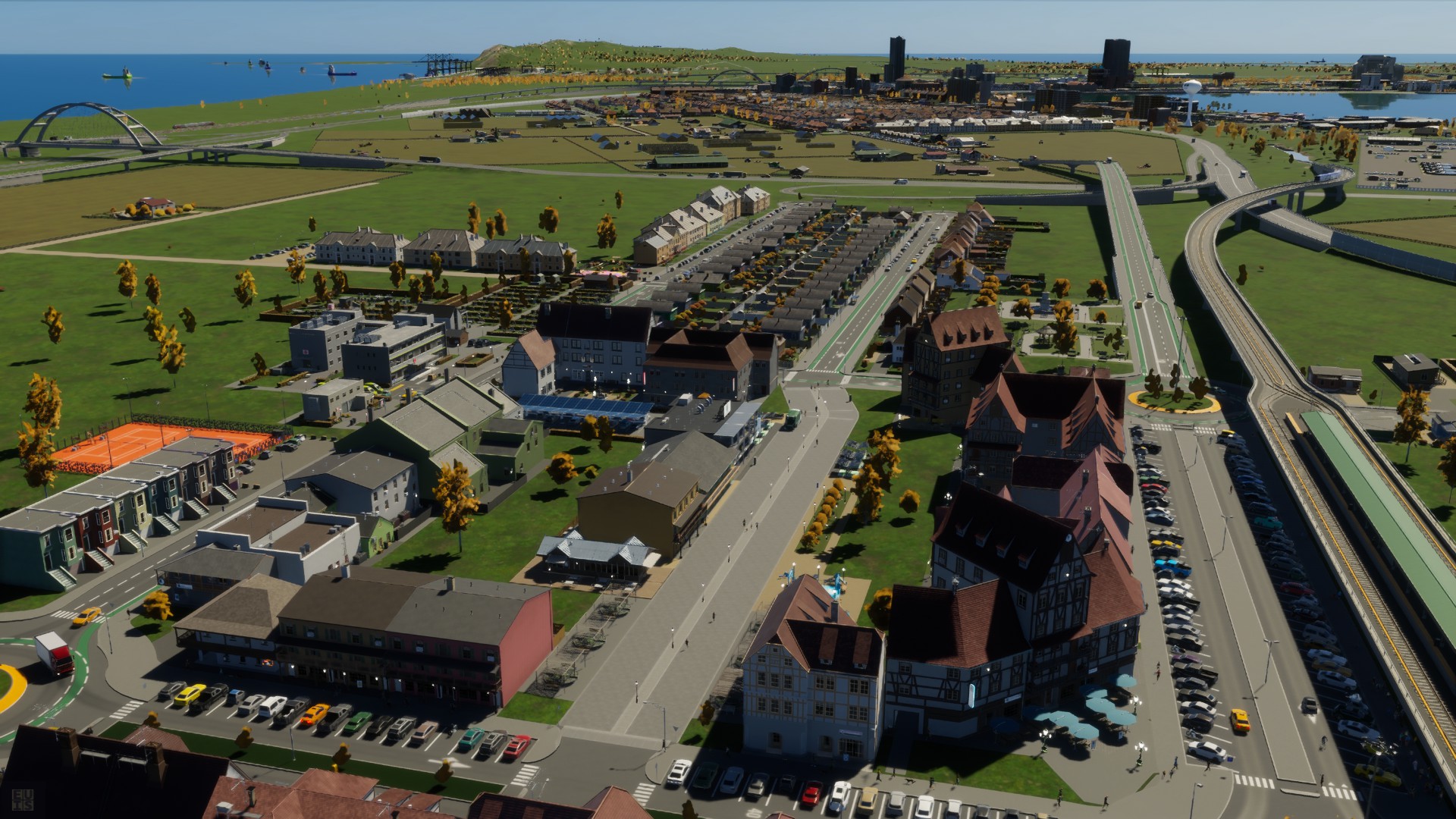


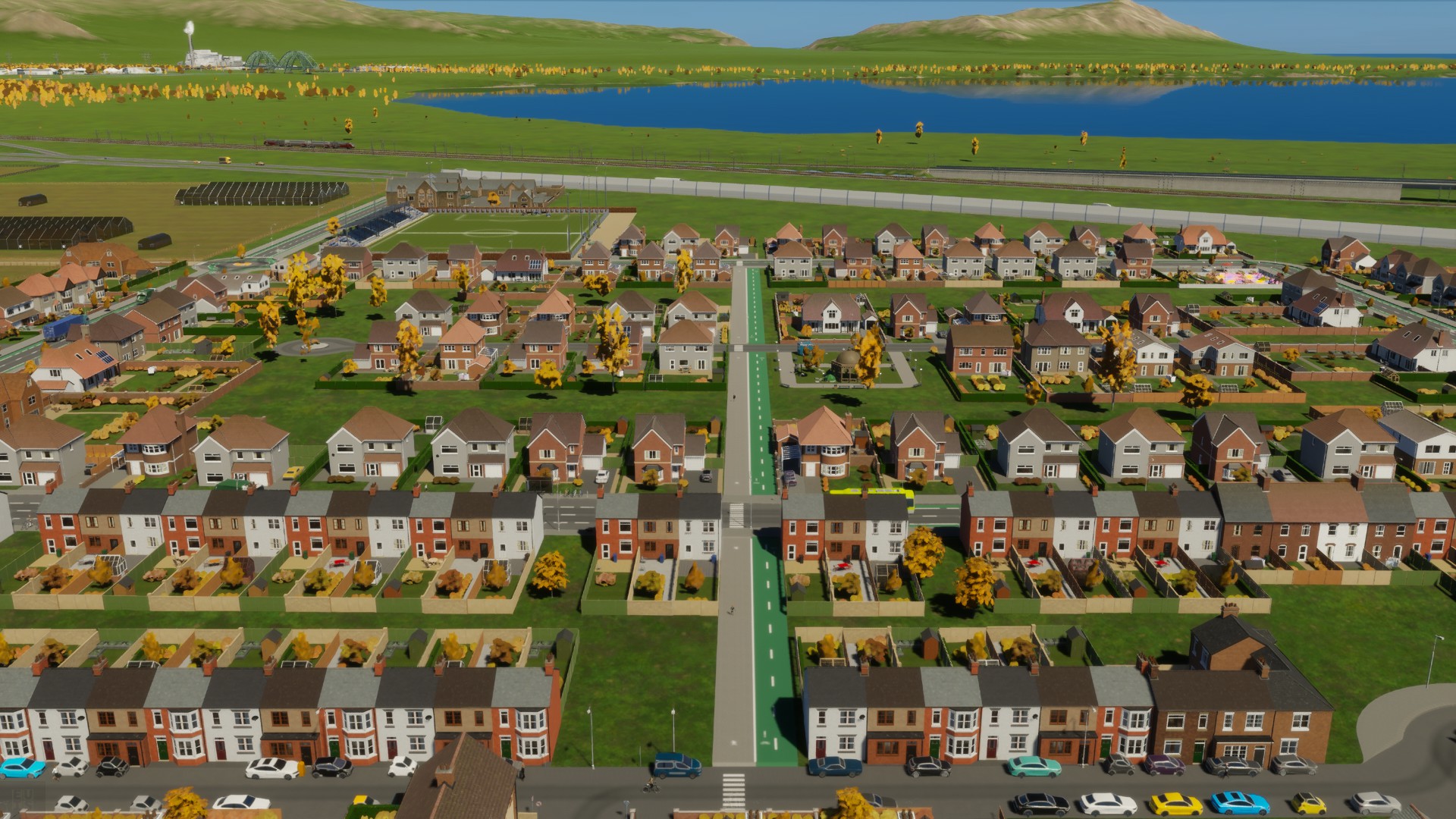


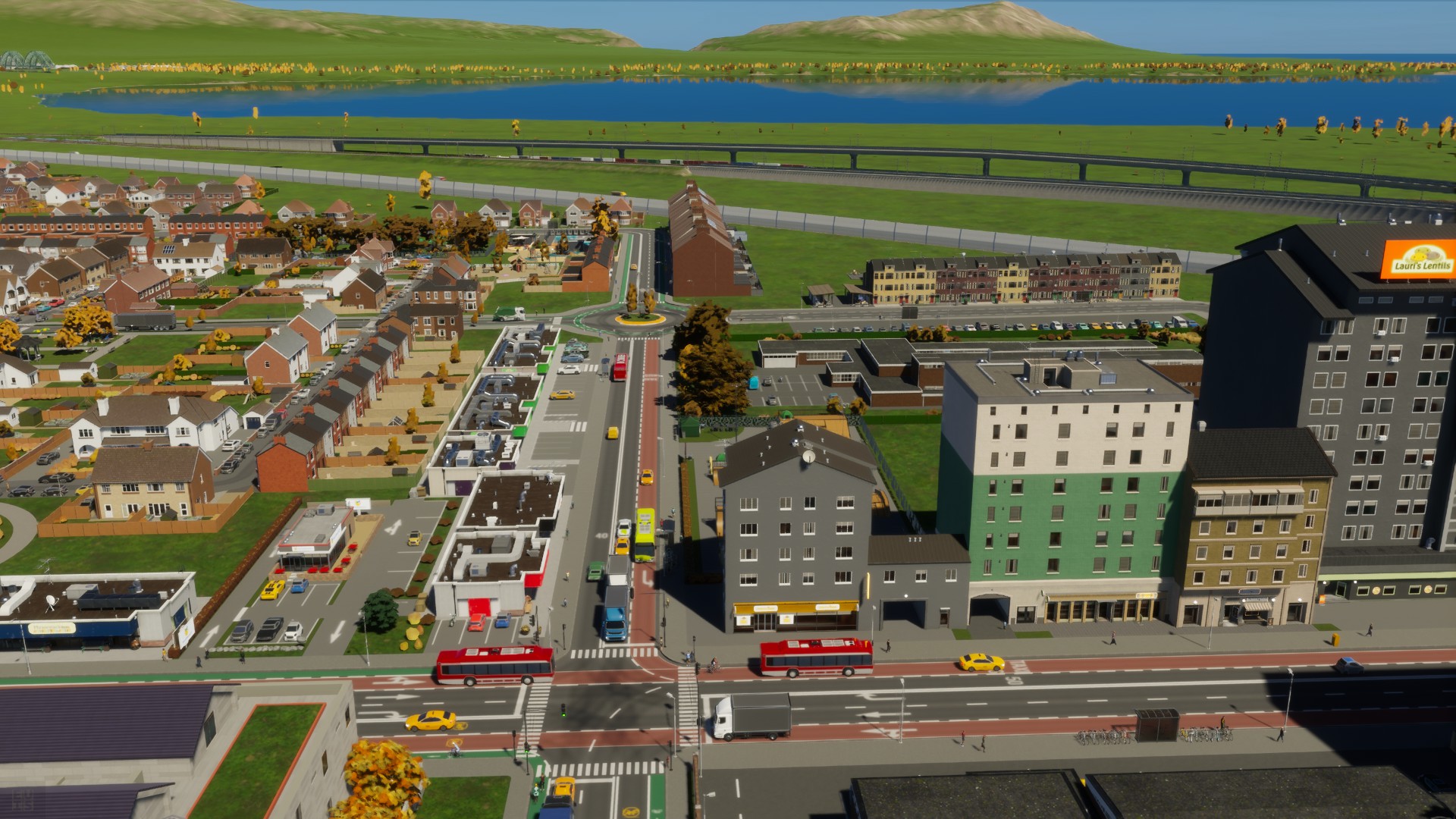

So, panic not everyone. 30km/h Streets are your Friends in Cities and Towns! AND No they do not impact arterial roads nor the movement of people and goods, at least not negatively!
I will leave you with two further guides on designing for safer speeds, and active design.

 Talking Southern Auckland