Looking back at some key issues I have noticed from feedback some questions around Super Metropolitan Centres and bus stations. I will look back at bus stations and what … Continue reading Super Metropolitan Centre Redux
An issue causing hot discussion either here in the blog or in the wider community
Looking back at some key issues I have noticed from feedback some questions around Super Metropolitan Centres and bus stations. I will look back at bus stations and what … Continue reading Super Metropolitan Centre Redux
I saw this morning that the Mayor is effectively looking at a Poll Tax to either replace or supplement the current rating system (property tax) Council uses to raise revenue.
From Stuff:
Brown’s bold tax plan
Making all Aucklanders pay a council income tax may help elderly people in affluent areas who can’t afford their rates, mayor Len Brown says.
The current system is “inherently unfair” on people living on fixed incomes and paying high rates because of the value of their properties in areas like Devonport-Takapuna, Brown says.
Introducing an income-related tax for local council services that everyone pays is an option, he says.
Only property owners pay rates but the council is spending money on infrastructure and services for everyone, Brown says.
He believes the only way to mitigate the rates burden as property prices rise is to rethink how local government is funded.
Brown won’t express a view on what alternative might work saying he is “quite open minded”.
Options could include funding through income tax, GST, user pays charges, or bed taxes from hotel.
—-ends—-
Last time a poll tax got mentioned it cost Maggie Thatcher her Prime Ministership in 1990 to John Major. While we do need to think how Local Government is funded in New Zealand such as all GST collected from rates is given straight back to the Council rather than Central Government keeping it (Australia has a GST sharing arrangement between the Federal Government and the State Governments) I believe priority one is getting our expenses in line first.
Debt moving from 175% to 275% to me is unacceptable by all means. If we need to go that high then it seems it might be time to take the ruler and red pen over expenditure. I was given an alternative to how the budget should be set for Council by an elected representative once. The idea was quite intriguing in using a big massive white board at the back of the chamber where the Councillors meet (so where the food sits) with revenue down one side and expenditure (OPEX and CAPEX) down the other. Everyone can see it, everyone can comment on it, but the sole key requirement was you did the income first then the expenditure to match the income. Not the current method of do the expenditure first then find the income to cover it. With the board present it would serve as a constant reminder if you want something can the revenue cover it – if not what needs to “go” first. Pretty much this is what households and businesses do – or rather should do (our savings and debt is nothing to crow about)
So I am rather cool on the Mayor’s announcement on new funding mechanisms when our current budgets are disjointed as they are.
Just a quick note on another Orsman piece this morning I noticed he was going on about the City debt lifting by $74 million currently. A reminder that $60 million of that is the Colin Maiden Park purchase from the University of Auckland to ensure Auckland continues to have green space as it grows. So not as alarming as it was portrayed this morning as that $60m will continue to pay dividends for generations to come.
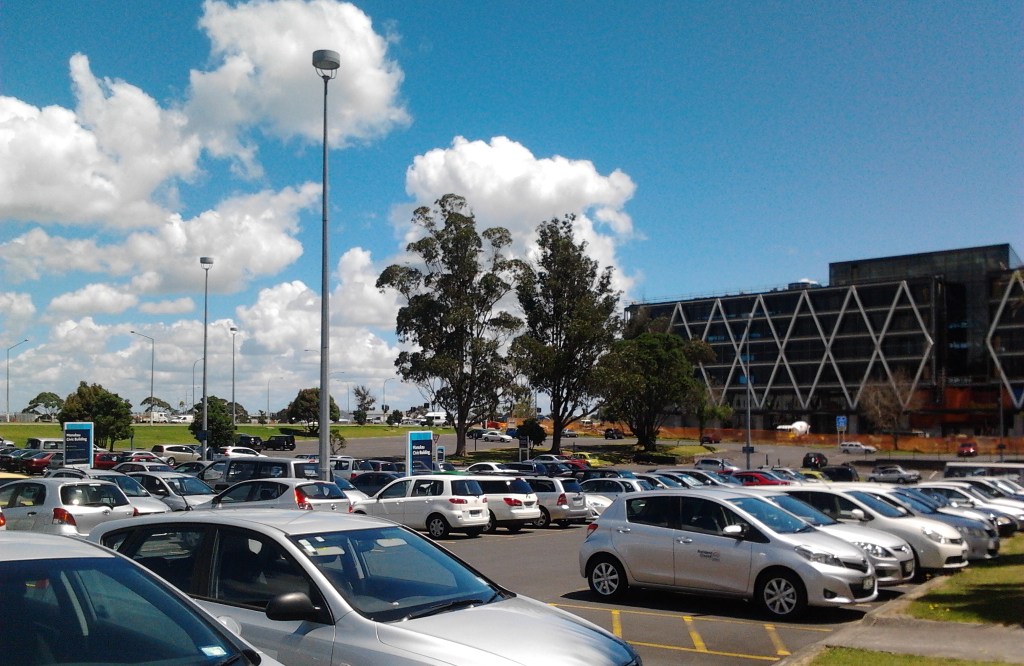
Some Good – Some Bad This morning I was at a networking breakfast hosted by Auckland Transport to businesses in the Manukau, Wiri and Highbrook areas. Auckland Transport were … Continue reading Manukau Updates
I have not been paying much attention to the Cultural Impact Assessment debate aspect of the Unitary Plan at the moment but this presser did come across the box a few moments ago.
From Auckland Council:
Auckland Council will contact iwi on behalf of applicants whose resource consents may need a Cultural Impact Assessment (CIA), removing one of the key areas of concern for people impacted by new provisions in the Proposed Auckland Unitary Plan.This step is one of a number of moves the council is making to help applicants, following discussions over recent months with iwi.
While the requirement for CIAs has been around for many years, the council’s Chief Planning Officer Roger Blakeley says increased protection for Auckland’s cultural heritage and values means more people are now likely to need them. This protection was called for during feedback on the draft Auckland Unitary Plan and the rules came into effect when the plan was notified on 30 September 2013.
Dr Blakeley says: “It is important for Auckland to protect its cultural heritage and values – and for the rules to be workable.
“We’re working closely with iwi to find ways to get the right balance: providing protection, while easing the impact on landowners. Providing a facilitator to contact iwi on applicants’ behalf is just one of the steps we can take to help make the process more straightforward.”
Dr Blakeley says the outcome of a CIA is not an approval of an application, it is simply advice that needs to be taken into account by the council, who makes the decision on a consent application.
The Proposed Auckland Unitary Plan requires applicants to ask iwi whether a CIA is needed if their consent has an environmental impact (such as discharges to air or water) that may have an adverse impact on Mana Whenua values, or if it is in an area that has a site of significance or value to Mana Whenua, based on archaeological records.
Other steps being taken to streamline the process include:
Dr Blakeley says there are widespread views on the Mana Whenua provisions and he expects there to have been many submissions on the issue. These will be heard by the Auckland Unitary Plan Independent Hearings Panel.
“The next step in the process is to listen to what Aucklanders have to say through the submissions and hearings process.”
If applicants have any questions they are advised to call the resource consents team on 09 301 0101.
—-ends—-
Might go do some brushing up on these CIA’s with all sorts of Social Media commentary popping up at the moment – some quiet skewered too.
Interchanges and Rail Links March will be a pretty big month for both Auckland Transport and the Auckland rail network. This month AT is due to release (well present … Continue reading Coming Up This Month With South Auckland Public Transport

Provincial Estimate as of February 28th Auckland Council reports as of Friday the 28th some near 3,000 submissions were in for the Proposed Unitary Plan with more still on … Continue reading 3000 Submissions In
Funding Announced NZTA have recently released a presser on funding to assist design work on both the Manukau and Otahuhu Transport Interchanges. From NZTA Funding support for Auckland bus/rail … Continue reading NZTA Funding Designs for South Auckland Transport Interchanges
From NZTA in response a Coroners report in Cycling in NZ:
28 Feb 2014 09:22am | NZ Transport Agency: Auckland and Northland
The NZ Transport Agency has selected a group of ten New Zealand-based experts to develop recommendations for making the country’s roads safer for cycling.
The Transport Agency was asked to convene the panel in response to the findings of a coronial review of cycling safety in New Zealand, released in November last year by Coroner Gordon Matenga.
NZ Transport Agency Director of Road Safety Ernst Zollner said the agency had canvassed the views of a wide range of stakeholders with expertise in cycling and road safety as part of the process of establishing the panel.
“There is a huge amount of passion and a great depth of knowledge on cycling and cycle safety in New Zealand. We’re looking to harness that passion and knowledge to encourage cycling as a transport choice by making it safer. This panel is tasked with developing a comprehensive and practical set of recommendations for central and local government to achieve that.”
The panel is expected to meet for the first time next month and will aim to deliver its recommendations by the end of September.
Mr Zollner said the Transport Agency and other members of the National Road Safety Management Group would also continue existing work to improve the safety of cyclists in New Zealand by investing in separated cycle paths, improving the safety of roads and roadsides, making intersections safer, reducing vehicle speeds in urban areas to reduce the risks that motor vehicles can pose to continue existing work to improve the safety of cyclists in New Zealand by investing in separated cycle paths, improving the safety of roads and roadsides, making intersections safer, reducing vehicle speeds in urban areas to reduce the risks that motor vehicles can pose to pedestrians and cyclists and promoting safe cycling through a range of education programmes.
The Transport Agency recently launched a Share the Road education and advertising campaign designed to personalise and humanise people cycling so that motorists see beyond the bike. More information is availablehere.
Richard Leggat (Chair)
Auckland
Richard is the Chair of Bike NZ and the New Zealand Cycle Trail and is a board member of Education NZ, SnowSports NZ, NZ Post and Tourism NZ. Richard is an enthusiastic recreational cyclist and is actively involved in his children’s sport. Following an economics degree Richard worked for apparel manufacturer Lane Walker Rudkin before switching into the finance sector and working as a share broker initially in Christchurch, followed by four years in London and then Auckland.
Sarah Ulmer
Cambridge
Sarah is the first New Zealander to win an Olympic cycling gold medal, which she won in the individual pursuit at the 2004 Olympics in Athens, setting a world record. When she left Athens at the end of the Games, Ulmer held the Olympic title, the Olympic and world records, the Commonwealth Games title and the Commonwealth Games record for the 3000m individual pursuit. In mid-2011, it was announced that she would be the official ‘ambassador’ for the New Zealand Cycle Trail. In the 2005 New Year Honours, Ulmer was made an Officer of the New Zealand Order of Merit, for services to cycling.
Marilyn Northcotte
Kapiti
Marilyn has more than twenty years of involvement in cycle skills training, originally in Canada (CAN‐Bike I and II, Cycling Freedom) and has also trained in the United Kingdom and New Zealand. Marilyn has developed and delivered cycle skills and road safety programmes for adults and children in a variety of settings and regularly undertakes work for councils, cycle advocacy groups, schools, holiday programmes, Police and community groups, as well as offering one‐to‐one training. Marilyn heads up the regional cycle skills training programmePedal Ready.
Mike Noon
Wellington
Mike joined the Automobile Association in September 2005 as General Manager Motoring Affairs. Mike started his career with Mobil Oil NZ where he held the position of Marketing and Communications Manager. Immediately prior to joining the AA, Mike worked as a consultant specialising in tourism, issue management and communications. Before that Mike worked with the Office of Tourism and Sport, and as its Director saw through the establishment of the Ministry of Tourism. Road safety is a particularly important issue for the AA, and it has lobbied strongly on issues like young driver training, cell phones, alcohol and drugs and road engineering.
Dr Hamish Mackie
Auckland
Hamish is a human factors specialist with seventeen years of research and consultancy experience in a range of areas where the interaction between people, their surrounding environments and the things they use are important. Over the past eight years Hamish has focused on self-explaining roads, high risk intersections, school transport and other areas where a ‘human-centred’ perspective is essential.
Simon Kennett
Wellington
Originally a power systems engineering officer, Simon helped to found ‘Kennett Brothers Ltd’ in 1993, a business devoted to cycling books, event management, trail design and construction, and strategy development. In 2004 he co-wrote and published ‘RIDE’ – a history of cycling in New Zealand. In 2007/08 he coordinated the Cycling Advocates’ Network networking project under contract to NZTA. Since 2009 Simon has been the Active Transport and Road Safety Coordinator at Greater Wellington Regional Council.
Dr Alexandra Macmillan
Dunedin
Alex is a Senior Lecturer in Environmental Health at the University of Otago’s Department of Preventive and Social Medicine. She also holds an honorary senior research position at the Bartlett – University College London’s global faculty of the built environment. She trained in Medicine and is a Public Health Physician. Alex’s teaching and research focuses on the links between urban environments, sustainability and health. Her PhD included futures modelling of specific policies to successfully increase commuter cycling in Auckland. In London, she extended this work to understand the factors influencing trends in cycling in London and Dutch cities.
Professor Alistair Woodward
Auckland
Alistair is Professor of Epidemiology and Biostatistics at the University of Auckland. His first degree was in medicine and he undertook his postgraduate training in public health in the UK. He has a PhD in epidemiology from the University of Adelaide, and 30 years’ experience in road safety and injury research. He has studied the epidemiology of head injury, the effectiveness of helmets for cyclists, the relation between vehicle speed and injury severity, the effects on health and the environment of increasing walking and cycling, and the health impacts of transport policy. He initiated the Taupo bicycle study, which has followed 2,600 cyclists for eight years to learn about factors that promote and inhibit everyday cycling, including injury.
Axel Wilke
Christchurch
Axel holds an ME (Civil) from Canterbury University and has been active as a traffic engineer and transport planner in New Zealand since 1998. He specialises in urban traffic engineering, traffic signals, road safety, intersection design & modelling and industry training. He is a director of ViaStrada Limited, a traffic and transportation consultancy specialising in sustainable transport based in Christchurch. Clients of ViaStrada are mostly road controlling authorities in New Zealand, but some work (mostly research) is undertaken for Australian clients, for example Austroads. Axel instigated professional industry training, and the Fundamentals of Planning and Design for Cycling workshop has been taught since 2003, which is part of the curriculum at Canterbury University. Advanced courses were added later, and he has taught nearly 1,000 attendees in total.
Dr Glen Koorey
Christchurch
Glen is a Senior Lecturer in Transportation Engineering at the University of Canterbury. He has a particular interest in the areas of road safety and sustainable transport, including speed management and planning & design for cycling. Glen is a Member of the Bicycle Transportation Research Committee of the US Transportation Research Board and over the past 15 years has investigated many aspects of cycling safety in New Zealand. His wide-ranging research and consulting experience also includes sustainable transportation policies, planning & design for walking, crash data analysis, and the design and operation of rural highways.
——–ends———-
Source: http://www.nzta.govt.nz/about/media/releases/3223/news.html
The panel reports back in September. I wonder what they will come up with.
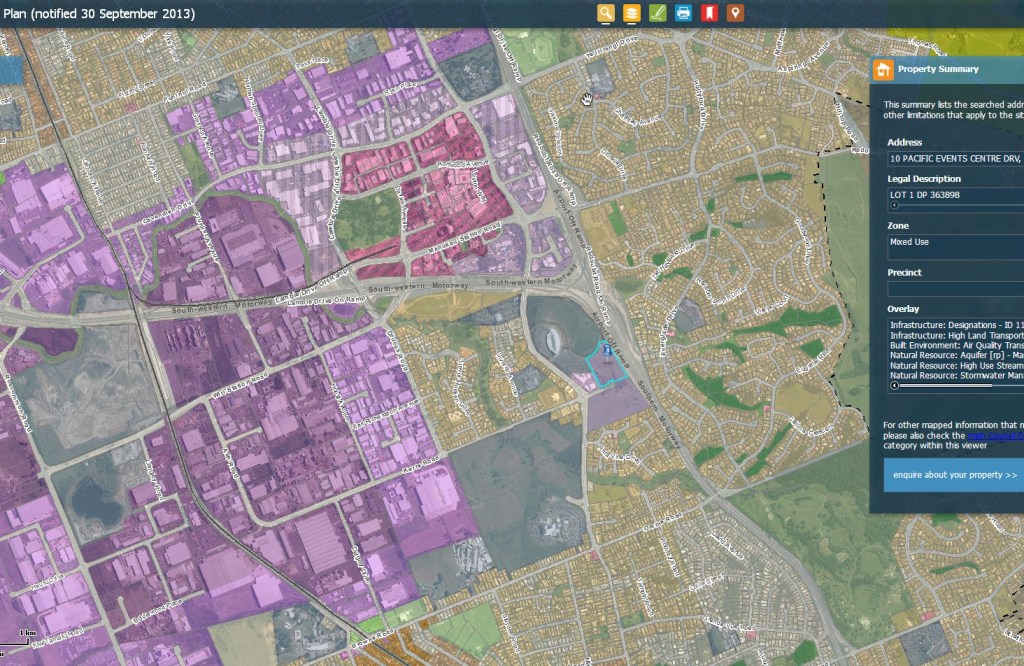
An Opinion Risk is OK, if it is managed risk. Unmanaged risk is a disaster waiting to happen. Certainty is also OK, if it is managed certainty. Unmanaged certainty … Continue reading Unitary Plan: Managed Risk or Unmitigated Disaster?
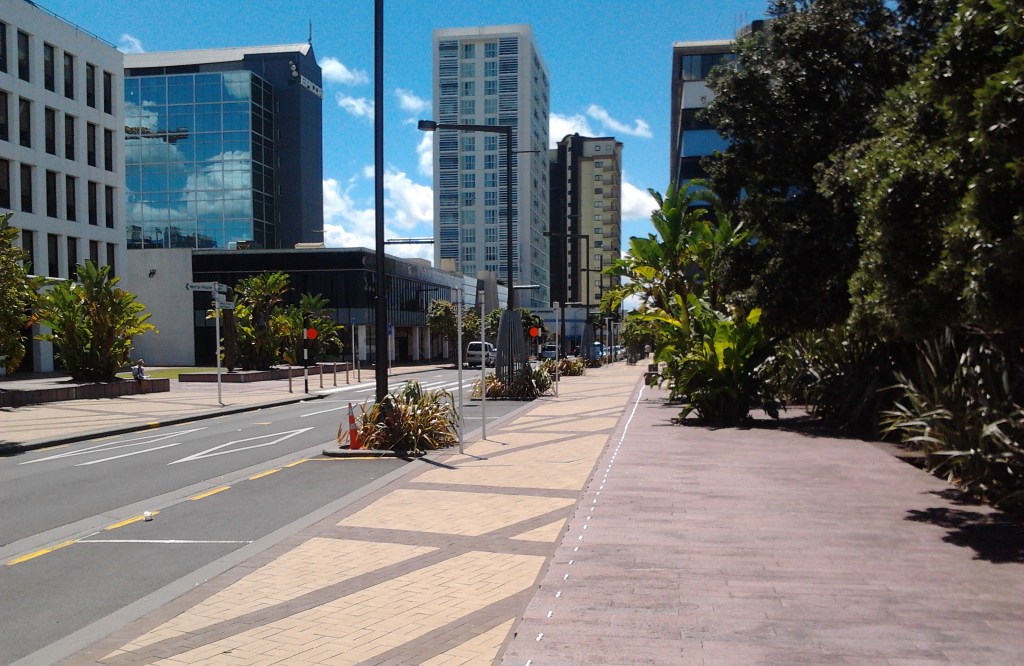
Last Chance to get your say in on this significant planning document Tomorrow at 5pm the deadline will pass on submitting on the Proposed Unitary Plan. Yes you can … Continue reading Unitary Plan Submissions Close Friday
 Talking Southern Auckland