Actual Alternative to Betterment Taxes Proposed by Council? Recently I had written a post on basically what is a new round of taxes better known in slang as Betterment … Continue reading It is all about the MUD
Looking at Urban Planning and Design
Actual Alternative to Betterment Taxes Proposed by Council? Recently I had written a post on basically what is a new round of taxes better known in slang as Betterment … Continue reading It is all about the MUD
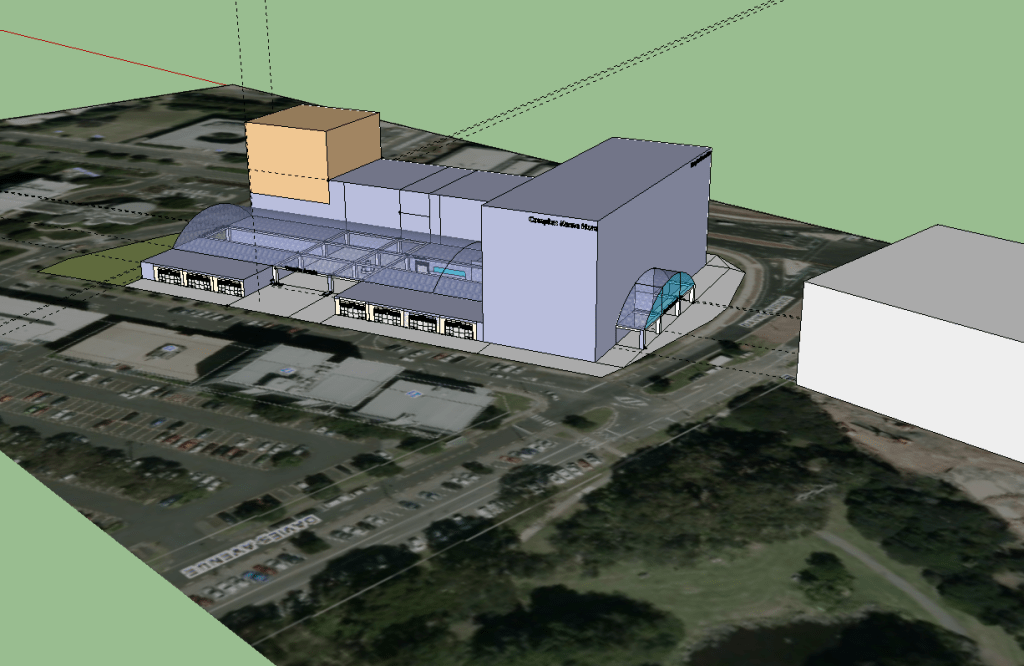
Concept Work Continues on Potential MCC Redevelopment And Someone Has Already Started Doing So From “MANUKAU CITY CENTRE – POTENTIAL FUTURE DEVELOPMENT” Manukau City Centre is arguably … Continue reading MANUKAU CITY CENTRE – POTENTIAL FUTURE DEVELOPMENT CTD

One Idea for Manukau City Centre’s Urban Renewal Manukau City Centre is arguably the core thus Central Business District for Southern Auckland. The area contains medium to high density … Continue reading Manukau City Centre – Potential Future Development
As we await the release of the Draft Unitary Plan on March 15 I would like to bring to your attention two items being sort for discussion in the Unitary Plan by Council. They are called “Sharing Land Value Uplift from Rezoning” and “Inclusionary Zoning;” of which both come under “Additional Tools for Enabling Affordable Neighbourhoods” under the Draft Unitary Plan.
Now these two options can be found from Page 67 in the embedded document below (so you might need to scroll if Scribd does not automatically go to that page):
For you homework I would like you to read these two “Additional Tools for Enabling Affordable Neighbourhoods” then post for your feedback here at BR:AKL on them.
Wikipedia also has a nice piece on Inclusionary Zoning which you can see by clicking the respective hyperlinks in red. I noticed Inclusionary Zoning is a tool from the USA while Sharing Land Value Uplift is from the UK.
However, I am currently reading it and from what I interpret so far both tools are additional taxes to middle and upper class citizens in a wealth distributing exercise for the lower and working classes here in Auckland. In effect Auckland Council is going to be coercing either directly or indirectly (through developers having to comply and as a result pass extra costs on) citizens and developers through regulations and plans to at least set aside for “affordable housing” (which is often becomes social housing) rather than do the actual opposite and liberalise our regulations and plans allowing at least developers to act more freely in providing a range of housing without costing the citizenry in Auckland.
So either you get a tax slugged on top of your rates and maybe targeted rates for whatever the Council decides to do with that money, or coerced into providing social housing at the cost of a large bulk of Auckland citizenry who end up carrying the can for this provision (rather than the State undertaking the social housing exercises via Housing NZ).
Time to delved deeper into these two new coercive and taxation regimes lurking in the Unitary Plan draft.
Remembering I stand for a more liberalised planning and provision approach to building neighbourhoods in Auckland.
Southern Initiative Stalled However? As mentioned in the “UNITARY PLAN READY FOR THE COMMUNITY” post, the Draft Unitary Plan comes out for informal feedback on March 15 (while I happen … Continue reading Southern Initiative and The Unitary Plan
March is When WE Get OUR SAY On the Unitary Plan Feedback has been coming across the usual channels on the draft Unitary Plan which was announced on … Continue reading Unitary Plan Ready for the Community
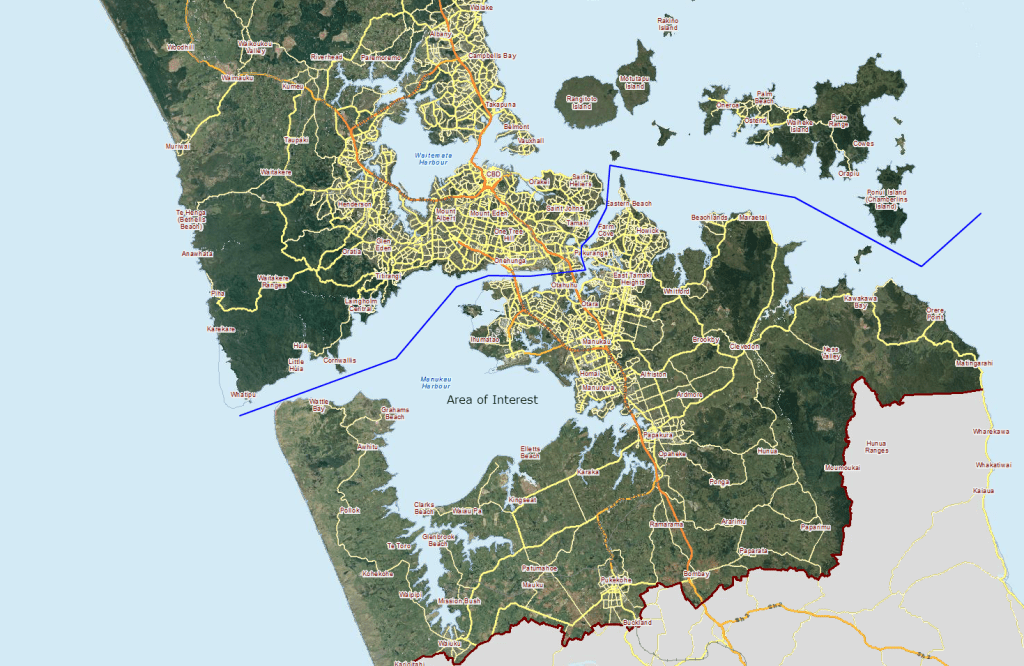
I am going to be writing up a series of posts looking at one way South and Counties Auckland (so Southern Auckland) could evolve urban and transport fabric wise through the life of the Auckland Plan
It’s Sim City meets Auckland Planner
Here at BR:AKL












The entire area I will try to “simulate” out a planning exercise showing that evolution of the urban and transport fabric wise through the life of the Auckland Plan here in Southern Auckland – my and for some YOUR home (and/or business).
Let’s see what I can come up with while the Auckland Council Unitary Plan is further refined – AND STILL THICKER THAN A BIBLE!

Draft Unitary Plan Has a Date WITH THE SHREDDER – IF I HAD MY WAY! Deputy Mayor and in-charge of overseeing the development of The Unitary Plan – Penny Hulse … Continue reading Draft Unitary Plan Nearly Ready
And I bet we are all sick of the Housing Affordability Debate swinging from one extreme to the other and back again; both at central and local government levels, both by the centre-left (social authoritarian section) and centre-right (neo-conservatism). The conservatives from both sides of the political spectrum are basically bashing each over the heads trying to score “up-man” points on one another with housing, yet really don’t offer what WE really want in housing (it is what THEY want in housing and telling US how and where to live). Interestingly Social Liberals (from the left), Neo Liberals (centre right) and even the libertarians (down the bottom of the political compass) have gone extremely quiet on housing and urban land use policy.
This is rather a shame as the liberals could very well offer some viable alternatives that we (the residents and businesses) could be very well-looking for. You know “US” making our own choices and working in a collaborative manner and shape OUR CITY, OUR WAY (not the Government (Local and Central’s) way). Now before I post the “redux” on a social liberal‘s view for “housing” just a quick differentiation between how a social liberal and neo liberal would achieve similar goals.
What Social and Neo Libs share the same in housing:
What Social and Neo Libs do not share the same in housing:
As for the “Redux” here it is; my social liberal (and well read) Submission to the (then) Draft Auckland Plan where extensive mention of land use was made out:
Unfortunately though despite the hearings and constant lobbying, this extensive submission gathers (digital and actual) dust sitting in the draw. So while the conservatives bludgeon each other and boring us with no actual solutions, this liberal document waits for some brave political soul to bring it into the light and see it through in execution.
From time to time in my downtime I go an embark on some “alternative” city planning and building. That being off to play a round of Cities XL 2012 for a couple of hours busy planning, building, rebuilding and managing the city/town/village. Currently on the “planet” I have 6 cities or villages under way, each specialising on a specific task at hand. Whether that be a farming town to supply food to the other cities, or a holiday town for people to get a way and relax, or a big hulking industrial and commerce centre as a central point of interactions.
At the moment I am busy focusing on Delta City, a city that will be a large hulking industrial and manufacturing centre coupled to an extensive port to “export” and “import” all the trade of the other five cities.
Delta City is at 202,000 and growing surely but steadily as it becomes the manufacturing hub on the “region.”
For all the current 212 shots you can visit the Delta City Slideshow HERE!
Now one wonders how I get thus far with such a large city? Well this next shot does help:

These snapshots which I take an overview shot of the city then doodle lines on them happen when I am embarking on major transport and/or urban development projects. In this case I am planning for major road thoroughfares and bypasses to move the bulk of the cars, trucks and buses around as Delta City continues to sprawl outwards.
Now for our public transport junkies (or mass transit as said in North America) there is no mass transit currently in Delta City. However extensive tram tracks as well as the Operation Centres for buses and trams has been built. The next step is to build the bus and tram depots, then the tram/bus stops, then the actual routes themselves for the citizens to use. This of course takes a bit of time to do as your money is limited and citizens always moaning about something else along the way…
However this “retail” version of a city and transport simulations is a good way to pass the downtime and home in some skills gained in real life city living and planning. I might post some more up from the other cities as well over time.
 Talking Southern Auckland