A Recap Series The Manukau Super Metropolitan Centre Time to do some recaps of a few posts I have done on Southern Auckland and both its urban development … Continue reading Southern Auckland and Manukau – An Omnibus #2
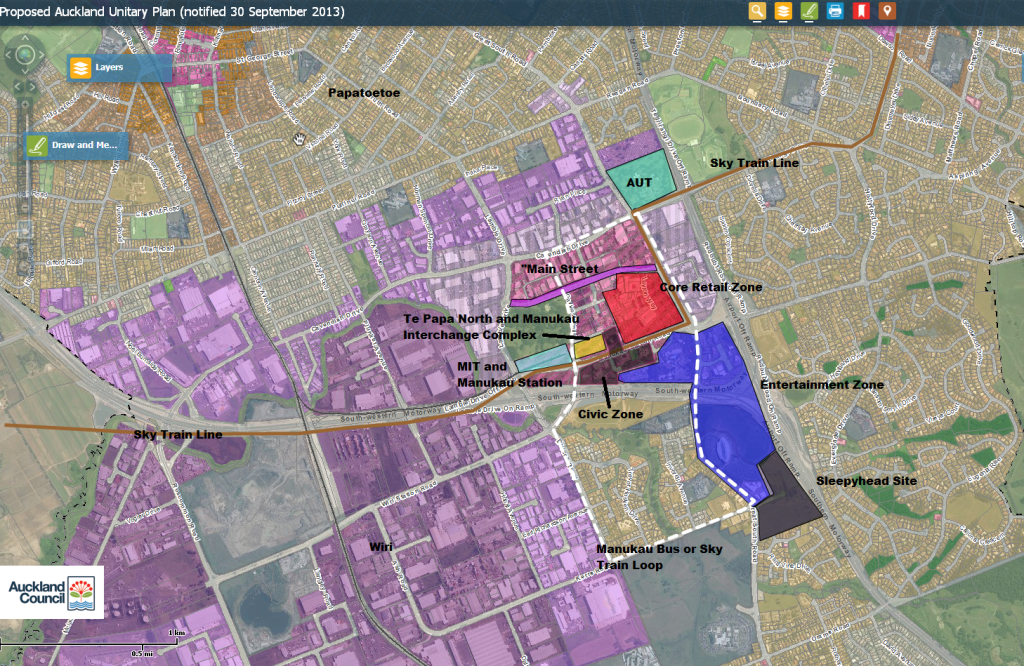
A Recap Series The Manukau Super Metropolitan Centre Time to do some recaps of a few posts I have done on Southern Auckland and both its urban development … Continue reading Southern Auckland and Manukau – An Omnibus #2
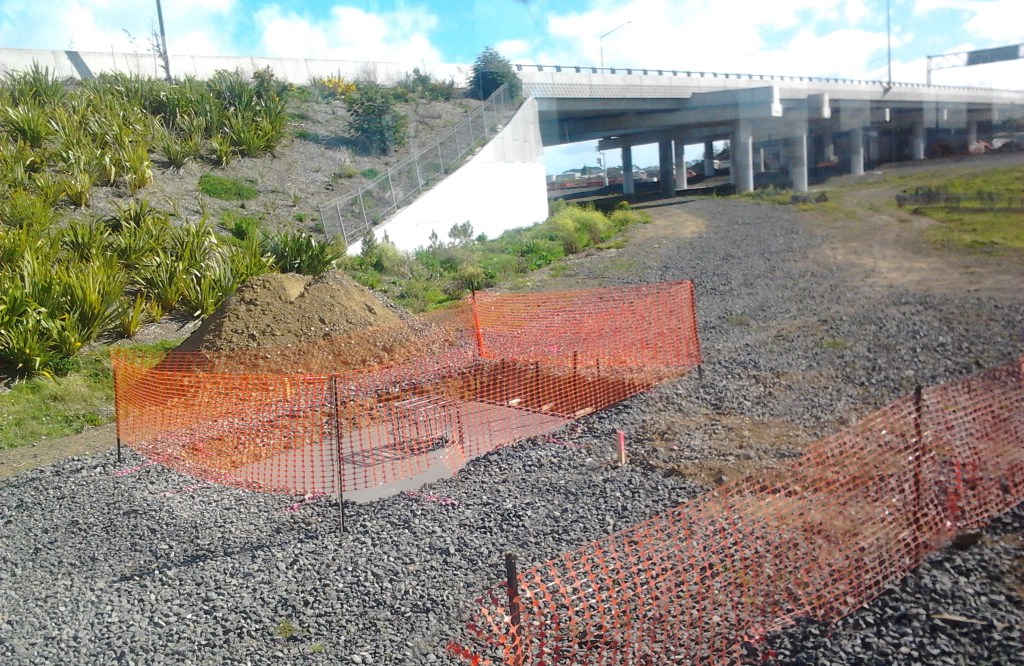
A Recap Series Why the South needs the Manukau Rail South Link Time to do some recaps of a few posts I have done on Southern Auckland and … Continue reading Southern Auckland and Manukau – An Omnibus
But Manukau as a Tourism spot? I can see that happening I am of two minds on the Stuff article that mentions the White Water Rafting facility, and the … Continue reading White Water Rafting Will Always be a Bad Decision
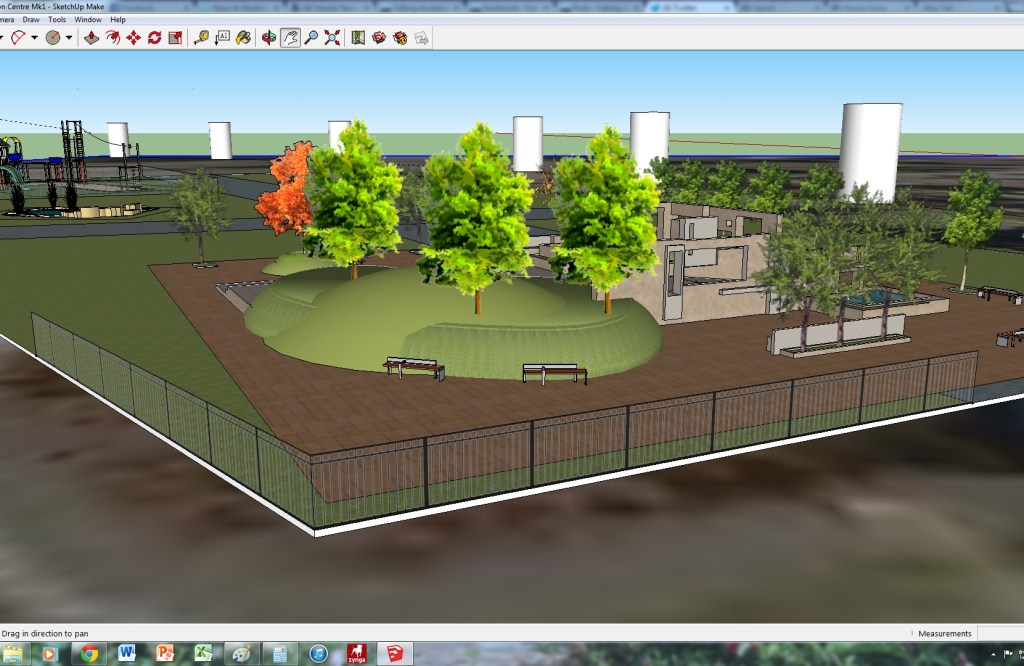
A Good Question Where will the children play as Auckland grows both outwards and upwards? A long fraught and vexing question that has elected representatives, residents and planners constantly … Continue reading So Where Will the Children Play?
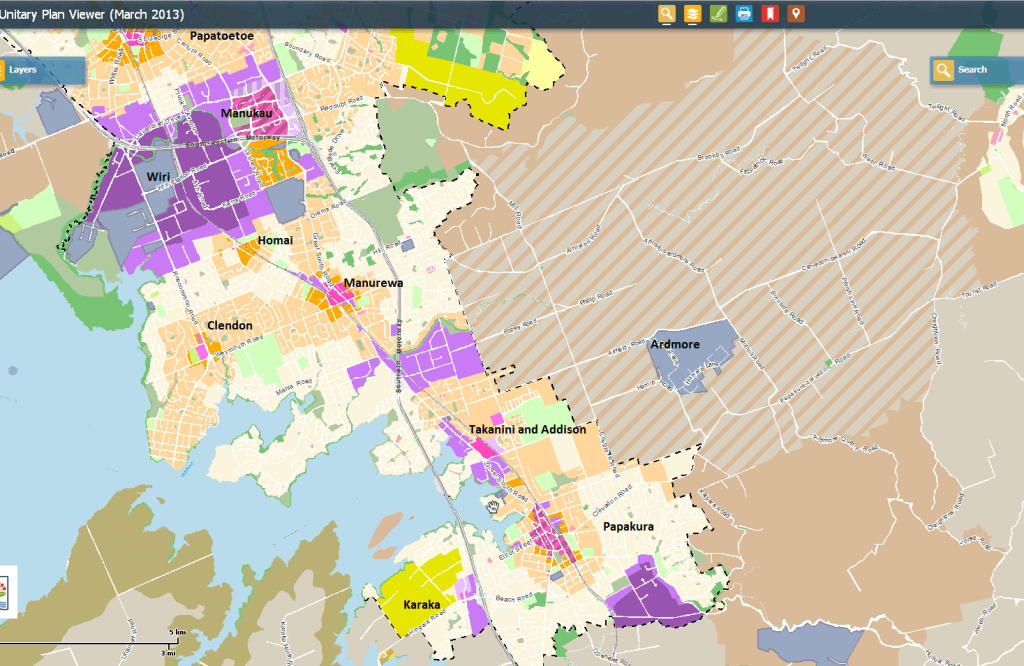
Most Likely The Property Council recently commissioned a research project looking at the availability of commercial and industrial land under the Proposed Auckland Unitary Plan. As somewhat was expected … Continue reading Not Enough Commercial and Industrial Land?
Before I get into the post here is a Tweet worthy of Tweet of the Week:
That was yesterday when the Minister of Transport Gerry Brownlee decided to dedicate his speech to the Government funding alternative transport options – the motorway (or motorways). Most likely you would have heard a pin drop and the tumble weed blow by before everyone decided to take one step back away from the stage after Brownlee’s rather archaic, insulting and patronising comments.
Anyhow today marked the start of the electric trains in revenue service with the 5:46am Onehunga to Britomart service being the first. As I have noted before the Manukau Line get the EMU’s in September while the Southern and Western Lines are next year. Pukekohe have to wait until Auckland Council sign the $110m cheque to get the wires from Papakura to Pukekohe (as well as two stations at Paerata and Drury).
Of course there were a few delays and niggles this morning as the EMU’s bed themselves into full revenue service. For the most part I would consider doing the Onehunga Line first and getting the glitches ironed out more “beneficial” than going all out on the Southern Line first. Then again the EMU’s will get a full work out when they do hit the Southern Line next year with passenger loadings (South has the third to fifth busiest stations on the network behind Britomart and Newmarket) as well as contending with those freight trains.
Now that we are electrified the question is what next with our rail network PRIOR to the City Rail Link being built. As Luke Christensen got a quick win with the Fanshawe Street bus lanes (which started operating today) we should and can get some quick and medium term wins to further boost the attractiveness of rail before the CRL comes online (whenever that may be).
A quick win is getting your feeder buses to and from the stations, some cycle lanes and lockers (at the stations), as well as some Park and Ride upgrades for the outlying stations all into position would be one booster. Auckland Transport are already getting the buses sorted in South Auckland with the new bus network in operation next year. The rest of Auckland get’s their bus network upgrades over the next couple of years. I am also aware Auckland Transport is upgrading and/or expanding some Park and Rides which will give further boosts towards rail patronage. And after the trial is complete more cycle lockers like those seen at Papakura and Papatoetoe will be rolled out.
So in answering Orakei Local Board Chair Desley Simpson’s question:
I suppose electric trains are good for Auckland But if I was a councillor think I would have pushed for more people to access rail first – no good having flash trains if getting to a station is too hard
A lot of my ward have great difficulty accessing rail ……
What I just said about the first quick win will answer the question about improving access to the rail network for the Orakei Ward. For more on the new bus network please go here: https://at.govt.nz/projects-roadworks/new-public-transport-network/
Your next win is a medium term one but it can be done if we have the resolve. That win being getting the wires (and the two new stations at Drury and Paerata) from Papakura (where they currently terminate) to Pukekohe in time for the Southern Line EMU (electric train) roll out mid next year. With the urban growth happening down that way as well as Pukekohe getting the short end of the stick at the moment, getting the wires down to Pukekohe would be a way to secure and grow your patronage for rail. Also for once we would be ahead with infrastructure investment with two new stations and the brand new EMU’s all ready to go as the first new residents move in what is known as the Wesley, and Pukekohe Special Housing Areas. Having the wires extended to Pukekohe means we can also fully retire the diesel fleet rather than running the mix fleet model.
Back to a quick win to get a patronage boost for the South (as well as the South being happy as we can be an assertive lot) is for Auckland Transport to stop procrastinating and get the Manukau South Rail Link built over the next Summer Christmas break, ready for full operations by the time MIT starts Semester One the following February. Okay sure that link would allow Pukekohe to Manukau direct shuttles (thus only serving that particular area for Auckland) but the link and subsequent service would increase your patronage while giving South Auckland better access to their City Centre. 16 minutes from Papakura to Manukau via the South Link by train compared to around 30 minutes by bus (using the Great South Road) I believe we are on a winner here. Of course when the link is built can the frequencies be set to 20 minutes each way from 6am to 10pm seven days a week please (half hour outside those times).
For the Southern Line (although this is a long-term one) having the third main from Westfield Junction to Pukekohe would be great to see completed by 2020. With the ever-increasing amount of freight trains using the track plus the increasing amount of passenger trains using the same piece of track as the freighters, it will be inevitable (actually it already happens) getting cascading delays as both modes compete for the tracks (bit like cars and trucks competing for motorway access). So to mitigate against delays for both passenger trains and the freighters we will need the third main sooner rather than later. Especially as the South grows in population and industrial capacity.
So we are all go with the electric trains on the Onehunga Line this morning despite some expected snags (put it this way at least Otahuhu Power Station didn’t fail 😉 – wait there was a power failure – just not on the rail line: http://www.nzherald.co.nz/nz/news/article.cfm?c_id=1&objectid=11245446 ). As the electric train roll out continues across the rest of the network it is time to get those quick and medium wins in there too. If AT can move fast with Fanshawe Street’s bus lanes then we should be able to move quickly with some rail quick wins too 🙂
An important point first:
A reminder as the Electric Trains are officially launched today that since 2003 to March 2014 the rail patronage has increased 423% or 38% average year on year.
Quite an achievement — feeling excited.
And we should be excited especially after reading this history piece from Transport Blog if it was not for Raymond: How rail was saved in Auckland
Thus I have to sets of big thank you’s I would like to extend in this post.
The first massive thank you is to Raymond Siddalls who back in the early 1990’s was tasked of scrapping our heavy rail network in Auckland. This from the Transport Blog piece on how Auckland’s rail network was changed:
At the time Auckland had also seen numerous grand plans for new public transport networks but none ever saw the political support needed to actually implement them. At the time the latest idea was convert the western line to light rail using a tram train from Henderson then send it via a tunnel under K Rd before running down the surface of Queen St. The problem was the idea couldn’t get political support. The City Council didn’t want trams on Queen St and the regional council saw it as competition to the Yellow Bus Company which they owned 90% of. That left Auckland with its near derelict trains and not much hope for the future.
It’s now the early 90′s and enter Raymond Siddalls. With a year to go before the regional council took over the contracting of services he was in charge running the suburban fleet. His bosses had also tasked him with shutting the Auckland network down. With an aging fleet, falling patronage and little political support (both locally or nationally) no one thought it could be made to work. After looking at the operations Raymond was surprised to find that with with a restructure he was be able to cut down the costs and actually have the company start making a profit on the gross contracts it held.
The critical time came in 1991 when a decision needed to be made on how to move forward. New legislation controlling how public transport services would operate was coming into effect and basically changed everything. No longer could PT be treated as a social service and the focus was on making PT stand up commercially. The legislation also didn’t allow for any distinction between rail and bus services which meant bus companies could tender for rail routes. Note: this legislation is still in effect today and has had a significant negative effect on the planning and provision of PT for over two decades. The new PTOM legislation should address most (but not all) of the issues it caused.
With the network actually making a profit the operation was kept going and the operating company tendered for the 120 services a day that they were already running (today there are something like 365 services per day). One problem though was each service had to take on the full cost of running the network. They subsequently were able to re-tender for the services as a combined timetable which allowed the costs to be shared across all services.
The councils started to get on board and the company was awarded the contract in the South for three years while in the west it was for four years. They were then able to successfully argue that with a 4 year contract on the entire network there was a chance to look at new rolling stock which would boost and the councils agreed to this. The contract was due to start in June 1992.
Around this time it just so happened that one staff member was about to go to Perth to attend a wedding. Perth was just about to finish electrifying their rail network and so the staff member was asked to drop in to find out what they were planning to do with their unneeded DMU’s (Diesel Multiple Units – the ones that don’t have a locomotive).
It turns out there were no plans for them and so subsequently Raymond flew over to inspect and value the trains. He made a call that there were no other buyers interested in them and so put in an offer for them at scrap value. All up he was aiming for 20 trains and his hunch about no other buyers being interested paid off, managing to secure 19 of them.
…
Source: http://transportblog.co.nz/2014/04/22/how-rail-was-saved-in-auckland/
Those DMU’s being our ADL and ADK fleet which is slowly being replaced by the new Electric Trains (the SA set will be as well).
So a massive thank you to Raymond for his vision and saving the rail network which fast forward from 1991 to 2014 will be carrying electric passenger trains (starting tomorrow on the Onehunga Line).
I would also like to extend my thanks to Councillor Christine Fletcher. Chris Fletcher was mayor of the old Auckland City Council at the time the Britomart project was about to fall over (a grandiose project back then was proposed). Long story short Mayor Fletcher cut through all the crap and was able to through her leadership deliver what we now enjoy as Britomart Station. Cruel irony would have it in 2003 that her successor John Banks would be the one to open Britomart Station. The completion of Britomart would be what drove the large increase in patronage to the 11 million mark we see today.
And so we come to tomorrow with the first set of electric trains starting revenue service on the Onehunga Line with the 5:46am service being the first service.
Next up for the big projects is arguably the City Rail Link and getting Pukekohe electrified.
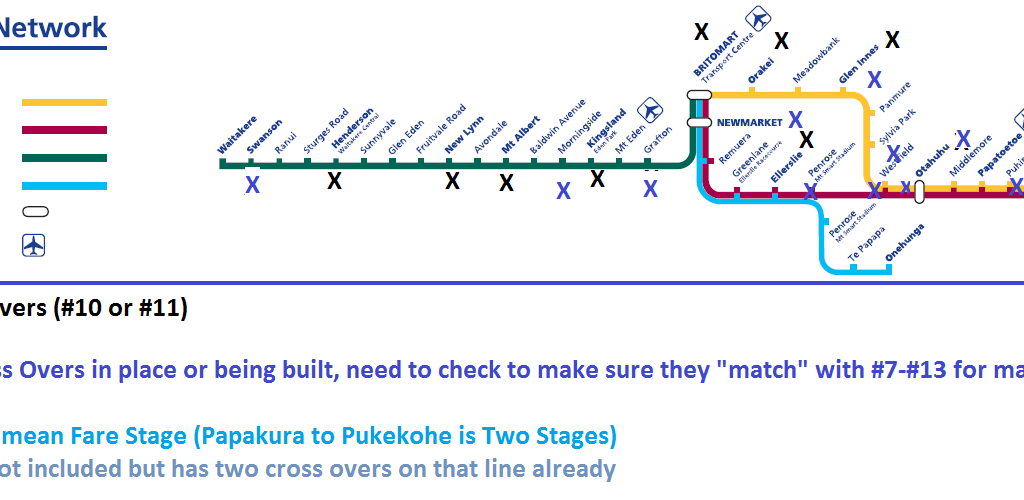
Still too much in the Closed Agenda Auckland Transport have recently released their agenda and subsequent documents for the April 29 Board of Directors meeting. Looking through the … Continue reading The April Auckland Transport Board Meeting
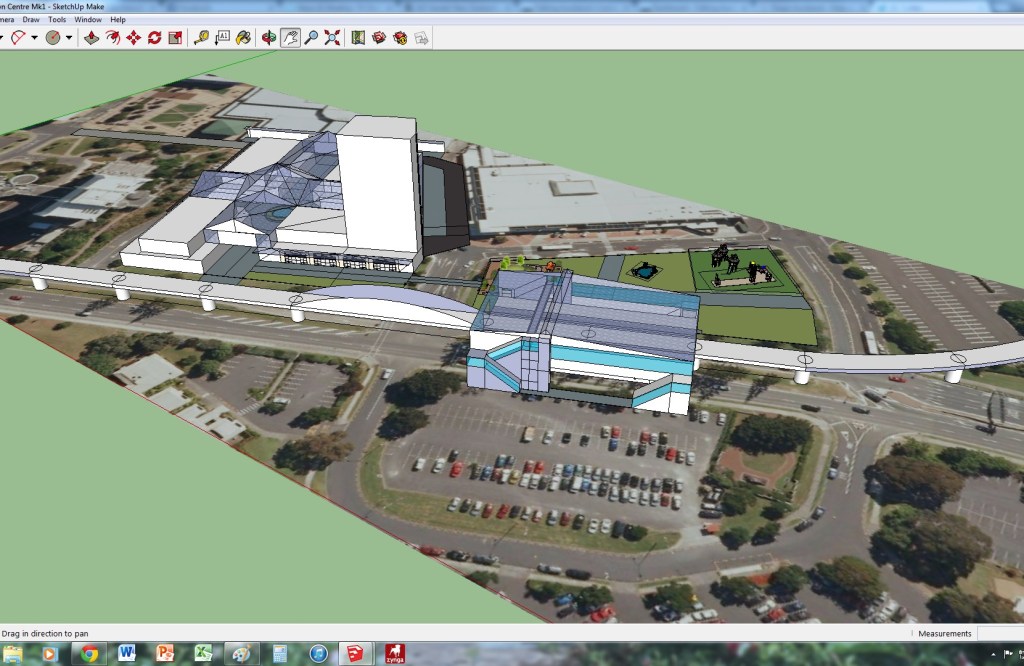
A possible mock up of a “large” Sky Train station Today I have being playing around in Sketchup drawing up an MK1 version of a large Sky Train station … Continue reading A Botany Line Sky Train Station
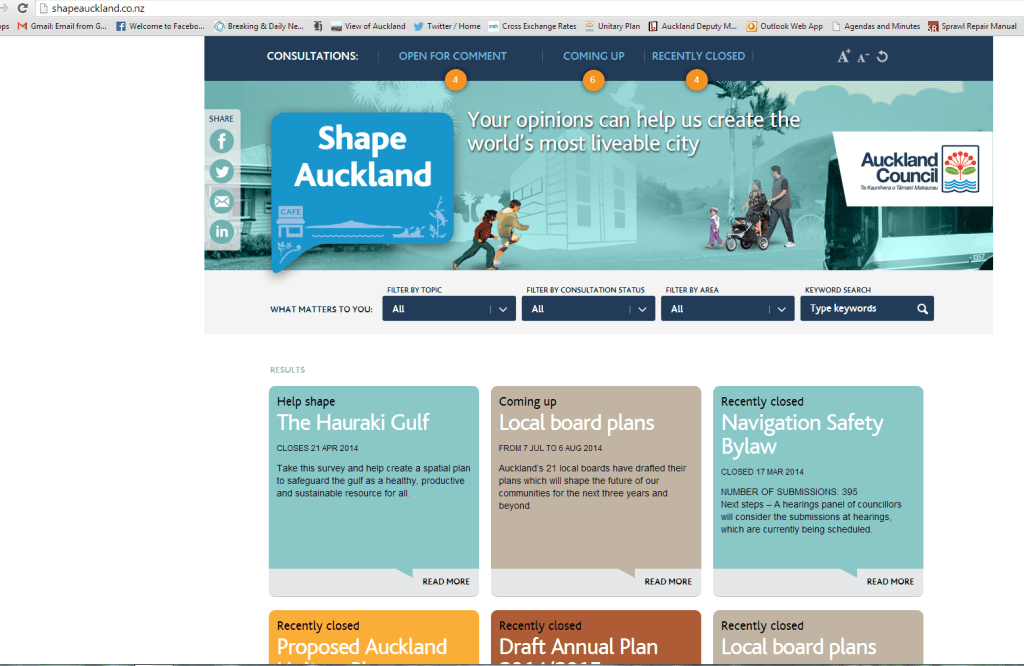
Keeping pace with digital interactions The Shape Auckland website (which was the main portal to the Unitary Plan) has gone through an “upgrade” roping in all consultations, feedback rounds, and … Continue reading Shape Auckland gets an Upgrade
 Talking Southern Auckland