Open Days Start Next Week A reminder that next week the Unitary Plan Open Days start. This is your best opportunity to discuss all things well Unitary Plan (or … Continue reading Reminder: Unitary Plan Open Days
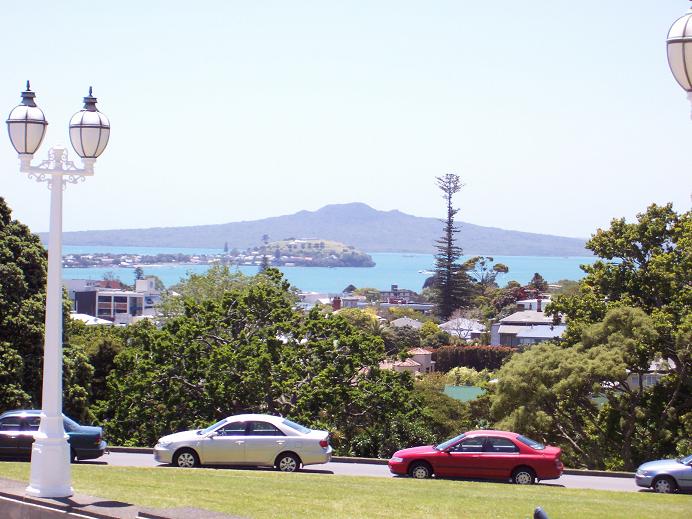
A News Post on something that has happened
Open Days Start Next Week A reminder that next week the Unitary Plan Open Days start. This is your best opportunity to discuss all things well Unitary Plan (or … Continue reading Reminder: Unitary Plan Open Days
New Term Marks the City Building Phase The 2010-2013 of the new Auckland Council marked the Amalgamation and Planning Phase for Auckland. Merging the legacy Councils, their systems and … Continue reading The City Building Phase
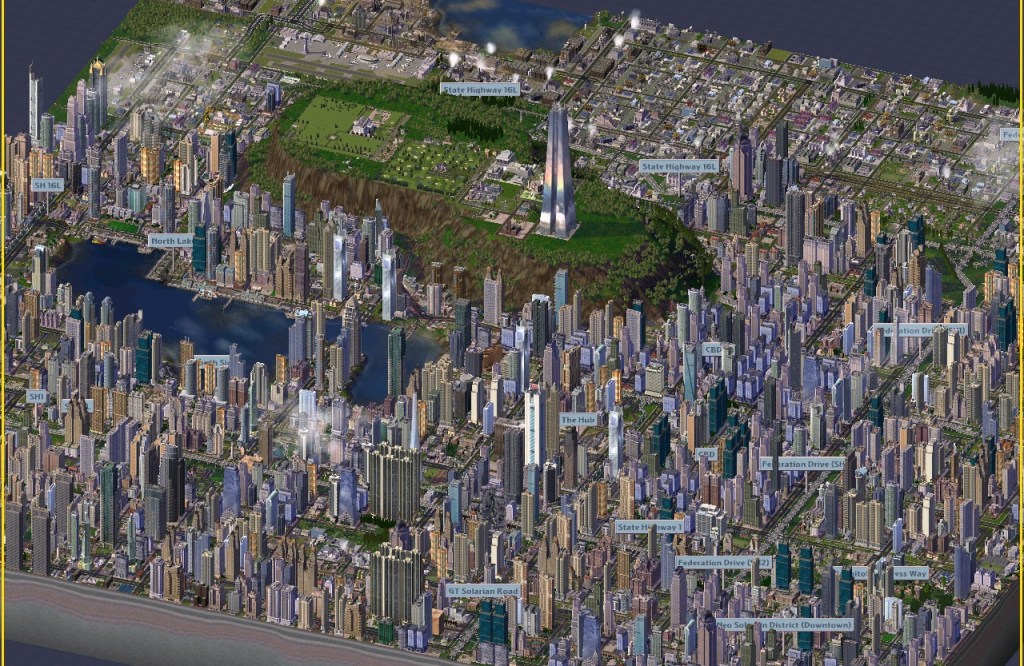
Inauguration of Mayor and Councillors Tonight I think to say all things considered and relative Auckland is in safe hands over the next three years of the now 2013-2016 … Continue reading The New 2013-2016 Term
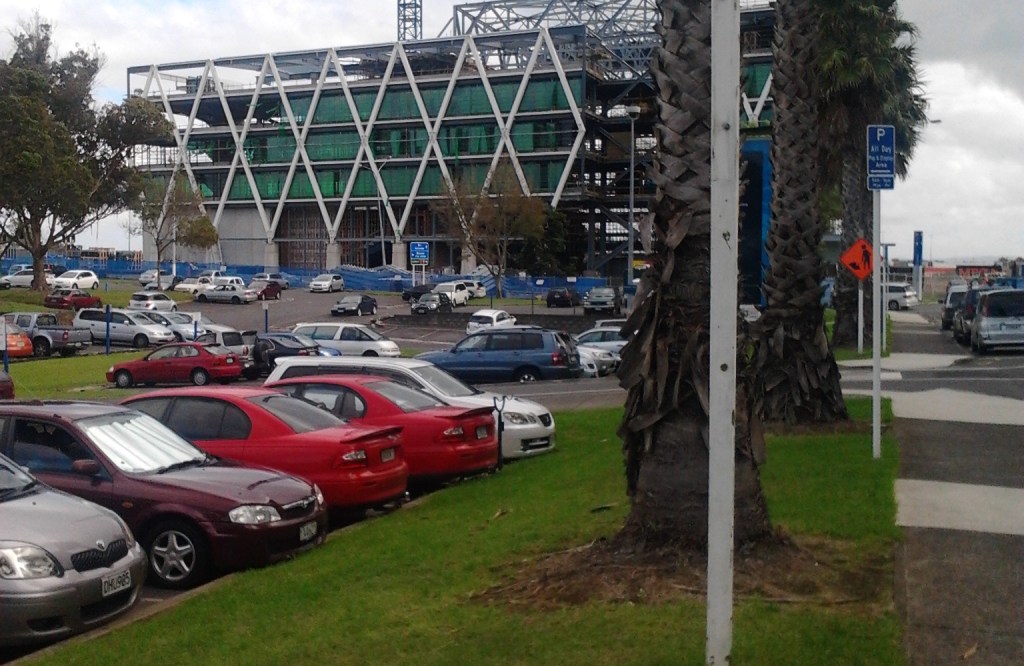
Clutching at Straws Again – Reality is Actually the Opposite On Saturday the NZ Herald released a Digi-Poll (they are deemed scientific) stating Aucklanders prefer sprawl over going up. … Continue reading Poll Goes Awry with Unitary Plan

My Tribute to Hiroki Ogawa who I knew in my Geography years at the University of Auckland Upon refreshing the Herald website after a Sunday afternoon shopping did I read … Continue reading Deeply Saddened Loss of a Fellow Geographer
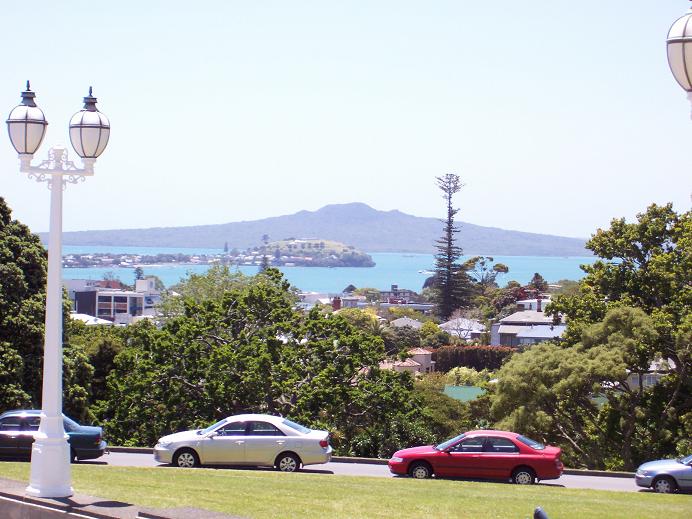
Final Results Out Deputy Mayor kept busy in the battlefield Mayor busy organising ready for new Council and its respective committees Seems today have been a busy day … Continue reading Final Election Results for Auckland Council is Out
I don’t usually get these sort of advisories coming through bit it landed in the box. And in the name of stability for Auckland it is a rare case I would re-publish the following:
Auckland Council Chief Executive Doug McKay said today that the Mayor has no council credit card and all invoices and payments from the mayoral budget are checked and approved by the chief of staff.
“I have received an assurance from both the Mayor and his chief of staff that no mayoral office funds were used in relation to the Mayor’s relationship with Ms Chuang.”
“However I have agreed to independently review this to confirm that is the case.”
Ends
——
Details on the independent review will be made known as soon as it is released
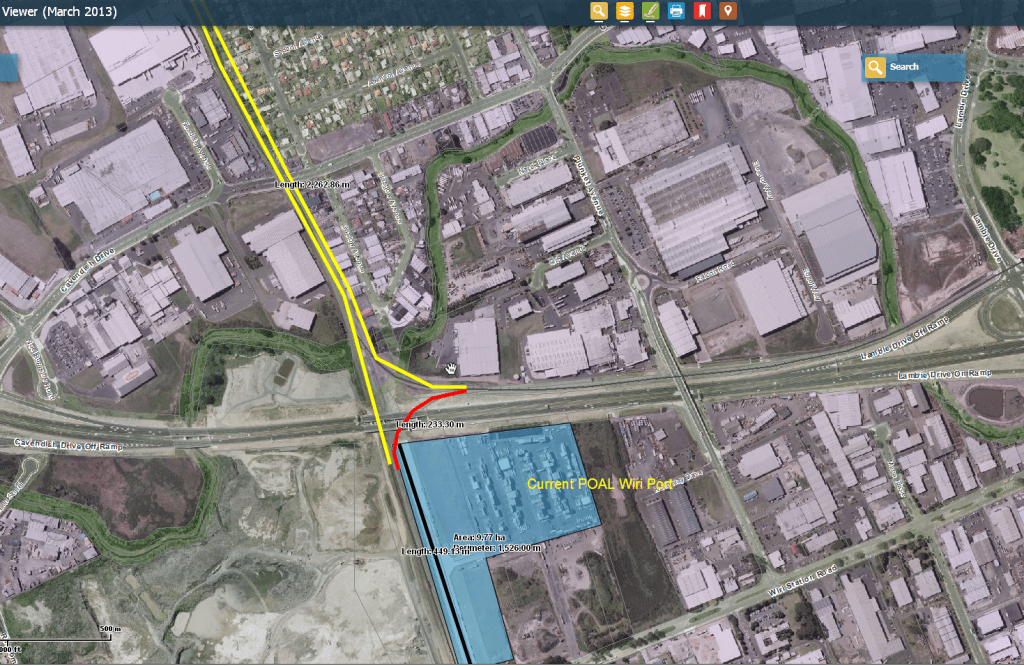
News on Electrification and Manukau South Rail Link One thing Talking Auckland takes pride in is quality investigative blogging on issues that affect Auckland the most. When something does … Continue reading Latest Transport Updates
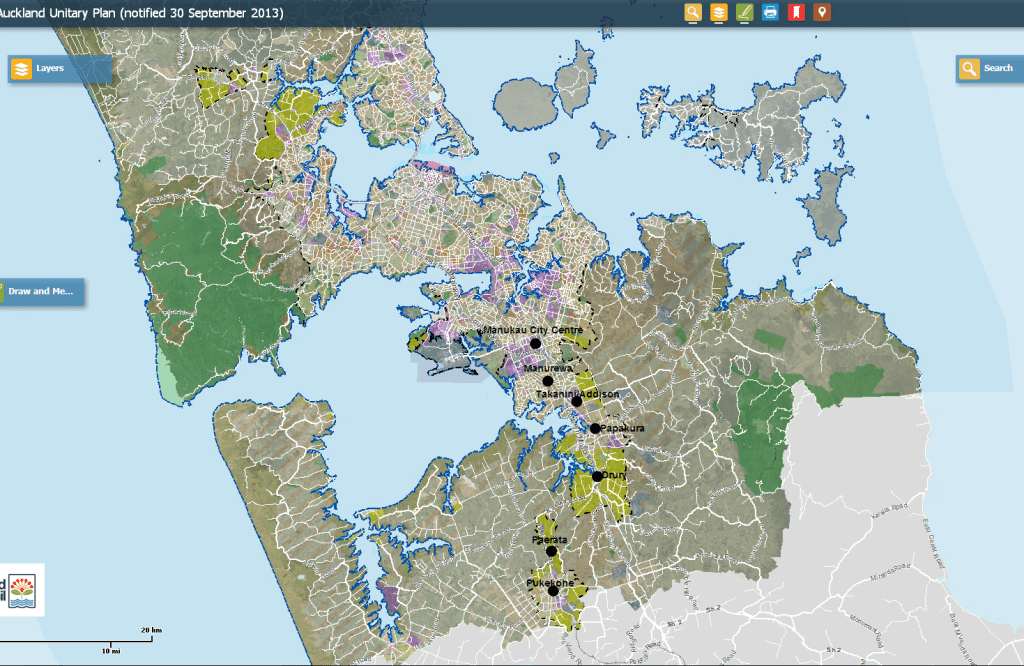
It actually means not a lot – the real data needed comes out 2014 Today I attended a briefing along with other media on what the Census 2013 means … Continue reading Census 2013 and What it means for Auckland
Straight from Statistic NZ on the Census 2013 Data:
Auckland’s population grew by over 110,000 people since the 2006 Census, while Selwyn, Queenstown-Lakes, and Waimakariri were the fastest-growing districts in the country, Statistics New Zealand said today.
The 2013 Census figures, released today, show the Auckland region had a census usually resident population count of 1.42 million, up about 8 percent since 2006. Just over half of New Zealand’s population growth since the last census occurred in Auckland.
“All 21 local board areas in Auckland increased in population between 2006 and 2013. Waitemata, Upper Harbour, Rodney, Howick, and Franklin grew particularly fast,” Government Statistician Liz MacPherson said.
“The census counts show that population change has not been uniform across New Zealand. This largely reflects the movement of people within New Zealand as well as the influence of international migration.”
New Zealand gained 7,000 people a year from migration between 2006 and 2013 – less than a third of the 23,000 gained per year between 2001 and 2006.
“After Auckland, Nelson was the next-fastest-growing region, followed by Waikato. Southland turned around a declining population, growing by over 2,000 people in the seven years since the last census,” Ms MacPherson said.
Growth in districts and cities
Overall, 47 of the 67 territorial authority (council) areas grew in population over the past seven years. The three fastest rates of population growth in district or city council areas were:
These three areas were also the fastest-growing between 2001 and 2006.
“Around Canterbury we’ve seen that although Christchurch city’s population is lower than at the 2006 Census, the overall region has grown. That’s partly because some people from Christchurch have moved to surrounding districts like Waimakariri and Selwyn, and even further afield to Ashburton and Hurunui. So they’ve left the city but not the region,” Ms MacPherson said.
The fastest-growing district in the North Island was Carterton, which increased 16 percent to over 8,000 people. Populations declined nearly 13 percent in Ruapehu district, just over 8 percent in Kawerau district, and 7 percent in Wairoa district.
Census counts differ from population estimates
The census counts for regions and territorial authority areas are typically lower than the latest population estimates, which are produced annually. This is because the estimates include New Zealand residents temporarily overseas at the time of the census, and an adjustment for people missed by the census.
More population information coming in December 2013
“We are releasing today’s information two months ahead of schedule. We know that many organisations and people rely on population information from the census to make good decisions about services and infrastructure. More detailed information will be available in December, including data on ethnicity, sex, age, and dwellings,” Ms MacPherson said.
New Zealand’s census usually resident population count was 4,242,048 in 2013, up from 4,027,947 in 2006.

Update: From Statistics NZ – The Table Showing Population Change by Local Board Area
I will do a full post on what the Census means for Auckland, the City Rail Link and the Unitary Plan once I return back from Town Hall this afternoon.
Stay tuned everyone
 Talking Southern Auckland