A Theory Behind our Resident NIMBY’s NIMBY’s, love them or detest them they are always going to be there when it comes to Planning. Our most classic … Continue reading NIMBY’s

Looking at Urban Planning and Design
A Theory Behind our Resident NIMBY’s NIMBY’s, love them or detest them they are always going to be there when it comes to Planning. Our most classic … Continue reading NIMBY’s
Yesterday there was a large presentation followed by substantial debate on the roll of active transport (this case cycling) in Auckland. The presentation was given by Generation Zero and the Cycling Action Network (in which I’ll ask for the presentation later today) about our lagging state of the cycling network. The material in the agenda (embedded further down) further outlines the state of our cycling network:
From page 8 and 9 of the Infrastructure Agenda
The Herald picked up further on the cycling situation in their “Paths full, say cyclists” in which even now pedestrians are getting cranky with cycling provisions.
From the NZ Herald:
Council told of pedestrian anger at surge in bike use of shared facilities. Cyclists are starting to feel the heat from pedestrians rebelling against having to share paths with them, Auckland Council members were warned yesterday.In delivering her warning, Cycle Action Auckland chairwoman Barbara Cuthbert reminded the council’s infrastructure committee that pedestrians were “at the top of the hierarchy” of an active transport network.
“You may be hearing – we certainly are – that pedestrians across Auckland don’t want more shared paths,” Mrs Cuthbert said.
“Because now cycling numbers are getting up so high that those shared paths are not pleasant for pedestrians – pedestrians and cyclists deserve their own facilities.”
But Mrs Cuthbert was glowing in her praise of a council staff report recommending a greater financial commitment to cycling while warning that only 40 per cent to 50 per cent of a 900km network of bikeways will be in place by 2020 on current funding.
That compares with about 30 per cent now in place – much of which her group says is disjointed and in poor condition – and an Auckland Plan target of 70 per cent by 2020.
Committee deputy chairman Chris Darby, a cyclist, said other comparative cities around the world but particularly on the Pacific Rim were well ahead of Auckland in developing bikeways which raised public transport patronage by widening the catchment of buses, trains and ferries.
“We have been failing Auckland miserably – cycling is a badge of a smart city and we really need to have that badge on our lapel.”
His comments followed a presentation by Generation Zero youth organisation and TransportBlog representatives, who cited efforts by United States cities to attract young talent by providing safe cycling opportunities.
…
You can read the rest of the article over at the Herald site
Essentially the argument can be nutted down to this:
That is true to a point. Our heavier arterials should have dedicated and separated cycle ways but our smaller streets should be in a position to take cyclists automatically. This might be dropping local roads down to 30km/h and where possible flipping them over to shared spaces to remove the car as absolute priority from the road space.
For more on cycling by Talking Auckland check these related posts:
If someone asks for quick wins in getting some quality cycle and active transport infrastructure up before hitting the big stuff (long distance cycleways) I can think of two places to start:
I will get the resolutions up from the Infrastructure Committee when they come through – most likely Monday if not Tuesday

Environment Defence Society Claims Aid Will Not Be Available While Parliament and political pundits.junkies bore the social media-verse over Judith Collins and spilt milk I caught this release … Continue reading Environment Aid for Unitary Plan Hearings Not Available?

City Continues to Grow The Herald has dropped a few articles this morning on the housing situation in Auckland. Rather interesting bringing it up with the Reserve Bank due … Continue reading Auckland Development Trucking Along
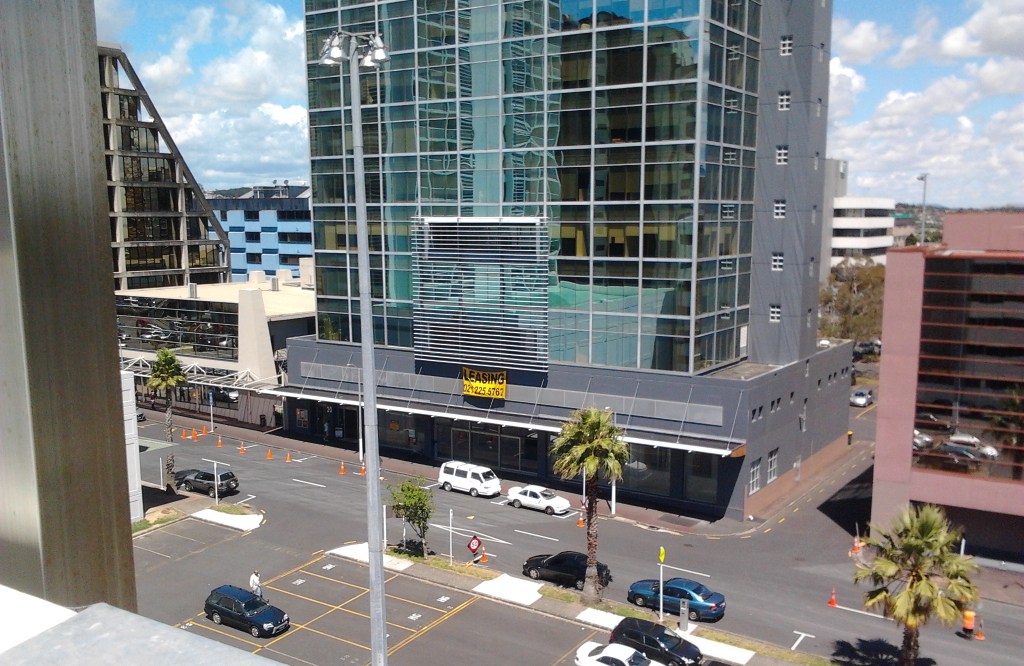
Looking back at some key issues I have noticed from feedback some questions around Super Metropolitan Centres and bus stations. I will look back at bus stations and what … Continue reading Super Metropolitan Centre Redux
The numbers are rather telling with a bit of an imbalance with the two different submissions.
From Shape Auckland on the Unitary Plan
UNITARY PLAN SUBMISSIONS: 4,260 AND COUNTING
More than 4,260 submissions on the Proposed Auckland Unitary Plan have now been registered, with many more to come. As expected, the majority of submissions came in on the last week of the five-month submission period: through the online form, by email, by post or through libraries and council service centres. The closing date was 5pm on Friday 28 February.
Given the statutory process of individually registering each one, and assessing for duplicates or additions to original submissions, the tally won’t be known until closer to the end of the month.
Once registered, Auckland Council staff will go through each submission to summarise what decisions are being asked for. This is an extensive process, but we are aiming to be able to publish the summary, along with a full, searchable set of the submissions, online by the end of May. This will then start the process of further submissions.
…
As for further submissions
Further submissions
The five-month submission period for the Proposed Auckland Unitary Plan ended at 5pm on 28 February 2014. The council will publish all submissions online by the end of May, along with a summary report of the decisions requested in them. The submissions will be indexed and searchable by submission number, name, local board, and theme. The summary report will be publicly notified, marking the start of the further submissions period. During this period, people will be able to respond to the decisions requested by submitters, by stating either their support or opposition to particular points raised.
We will publish further details about this process closer to the time.
—ends–
Meanwhile with the Annual Plan (annual budget):

Over consulted again or bad timing having two submission periods together with Area Plan submissions to start soon as well…
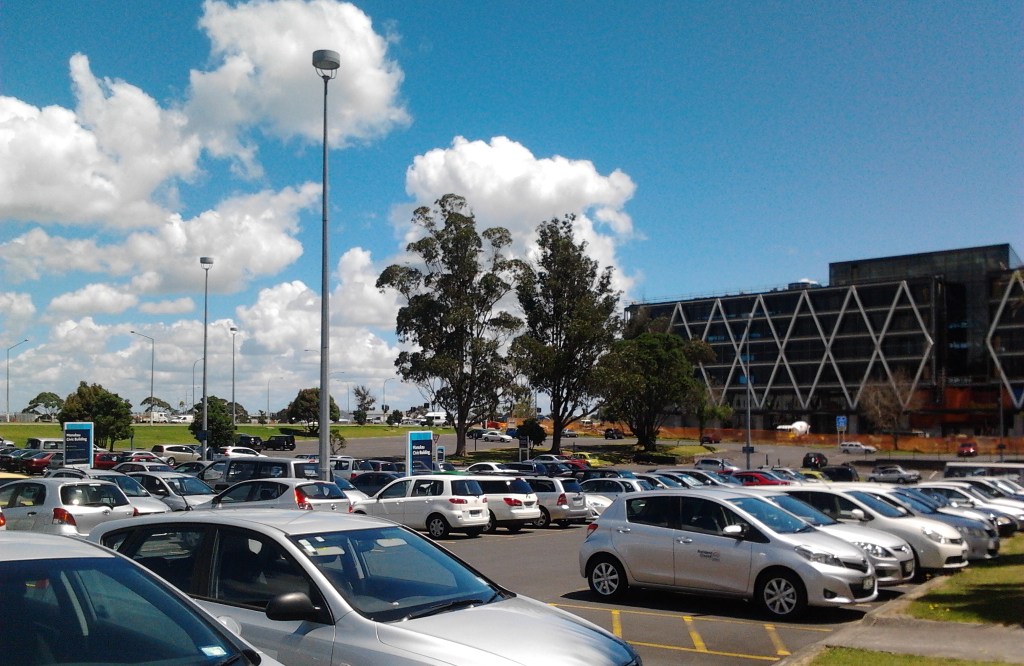
Some Good – Some Bad This morning I was at a networking breakfast hosted by Auckland Transport to businesses in the Manukau, Wiri and Highbrook areas. Auckland Transport were … Continue reading Manukau Updates
I have not been paying much attention to the Cultural Impact Assessment debate aspect of the Unitary Plan at the moment but this presser did come across the box a few moments ago.
From Auckland Council:
Auckland Council will contact iwi on behalf of applicants whose resource consents may need a Cultural Impact Assessment (CIA), removing one of the key areas of concern for people impacted by new provisions in the Proposed Auckland Unitary Plan.This step is one of a number of moves the council is making to help applicants, following discussions over recent months with iwi.
While the requirement for CIAs has been around for many years, the council’s Chief Planning Officer Roger Blakeley says increased protection for Auckland’s cultural heritage and values means more people are now likely to need them. This protection was called for during feedback on the draft Auckland Unitary Plan and the rules came into effect when the plan was notified on 30 September 2013.
Dr Blakeley says: “It is important for Auckland to protect its cultural heritage and values – and for the rules to be workable.
“We’re working closely with iwi to find ways to get the right balance: providing protection, while easing the impact on landowners. Providing a facilitator to contact iwi on applicants’ behalf is just one of the steps we can take to help make the process more straightforward.”
Dr Blakeley says the outcome of a CIA is not an approval of an application, it is simply advice that needs to be taken into account by the council, who makes the decision on a consent application.
The Proposed Auckland Unitary Plan requires applicants to ask iwi whether a CIA is needed if their consent has an environmental impact (such as discharges to air or water) that may have an adverse impact on Mana Whenua values, or if it is in an area that has a site of significance or value to Mana Whenua, based on archaeological records.
Other steps being taken to streamline the process include:
Dr Blakeley says there are widespread views on the Mana Whenua provisions and he expects there to have been many submissions on the issue. These will be heard by the Auckland Unitary Plan Independent Hearings Panel.
“The next step in the process is to listen to what Aucklanders have to say through the submissions and hearings process.”
If applicants have any questions they are advised to call the resource consents team on 09 301 0101.
—-ends—-
Might go do some brushing up on these CIA’s with all sorts of Social Media commentary popping up at the moment – some quiet skewered too.
Interchanges and Rail Links March will be a pretty big month for both Auckland Transport and the Auckland rail network. This month AT is due to release (well present … Continue reading Coming Up This Month With South Auckland Public Transport
Provincial Estimate as of February 28th Auckland Council reports as of Friday the 28th some near 3,000 submissions were in for the Proposed Unitary Plan with more still on … Continue reading 3000 Submissions In
 Talking Southern Auckland