If the NIMBY‘s Can Mobilise – So Can We I believe I can say what started as all happy and keen at the Council Unitary Plan media briefing on … Continue reading The Need for an Alliance – to Progress Auckland
Looking at Urban Planning and Design
If the NIMBY‘s Can Mobilise – So Can We I believe I can say what started as all happy and keen at the Council Unitary Plan media briefing on … Continue reading The Need for an Alliance – to Progress Auckland

Not Amused Sorry After a good couple of days with positive news for South Auckland as investment and growth flow into the area, the negative news strikes again. I … Continue reading Initial Reaction to the Unitary Plan Changes – For the South
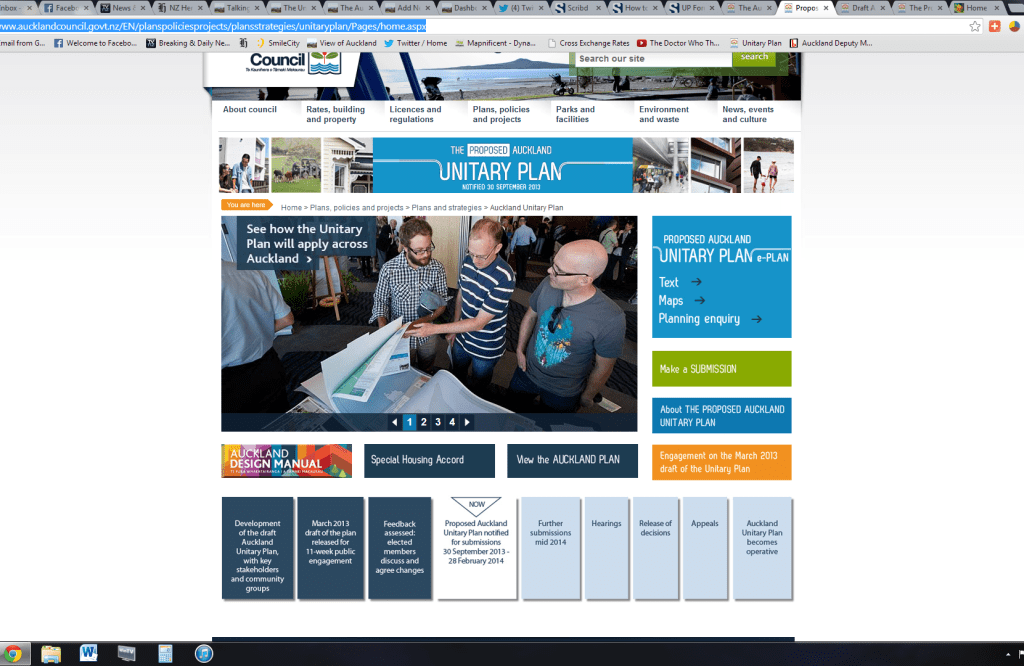
Next Phase Begins Today marks the day that both the Unitary Plan starts the formal notification process and the Auckland Design Manual being launched. Here are the front pages to … Continue reading Unitary Plan Released for Notification – Auckland Design Manual Now Live
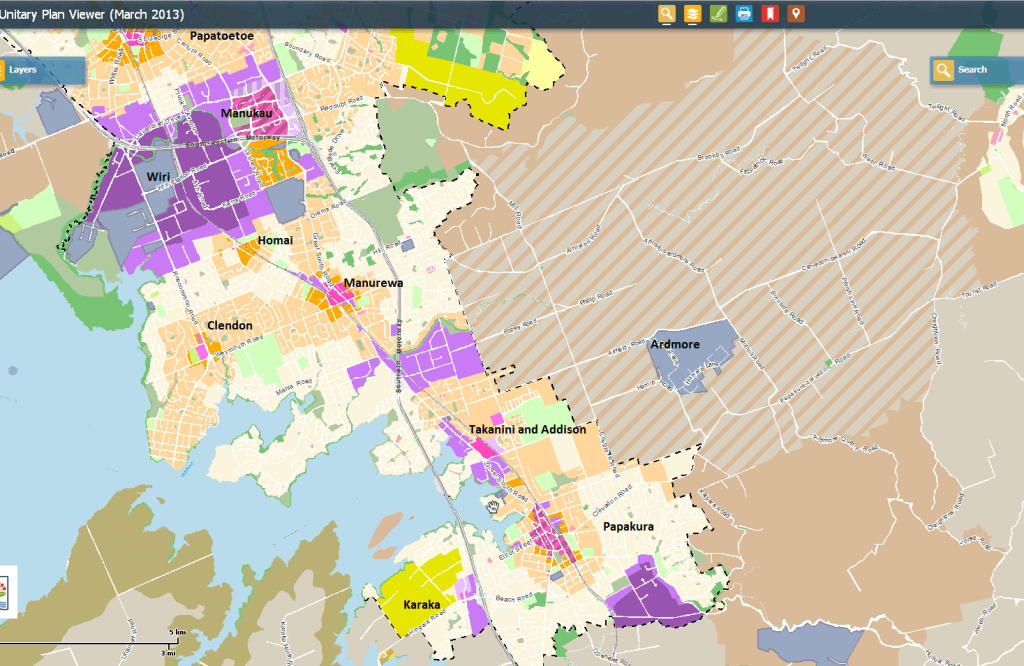
Wave of Positive News for an Area that often gets downtrodden on by other parts of the City I picked up this real nugget of a gem this evening … Continue reading South Auckland – The Rising Jewel in Auckland’s Crown
What to Expect from September 30 – with The ADM On September 30 – the same day the Unitary Plan becomes formally notified, The Auckland Design Manual also goes … Continue reading The Auckland Design Manual – What to Expect from September 30
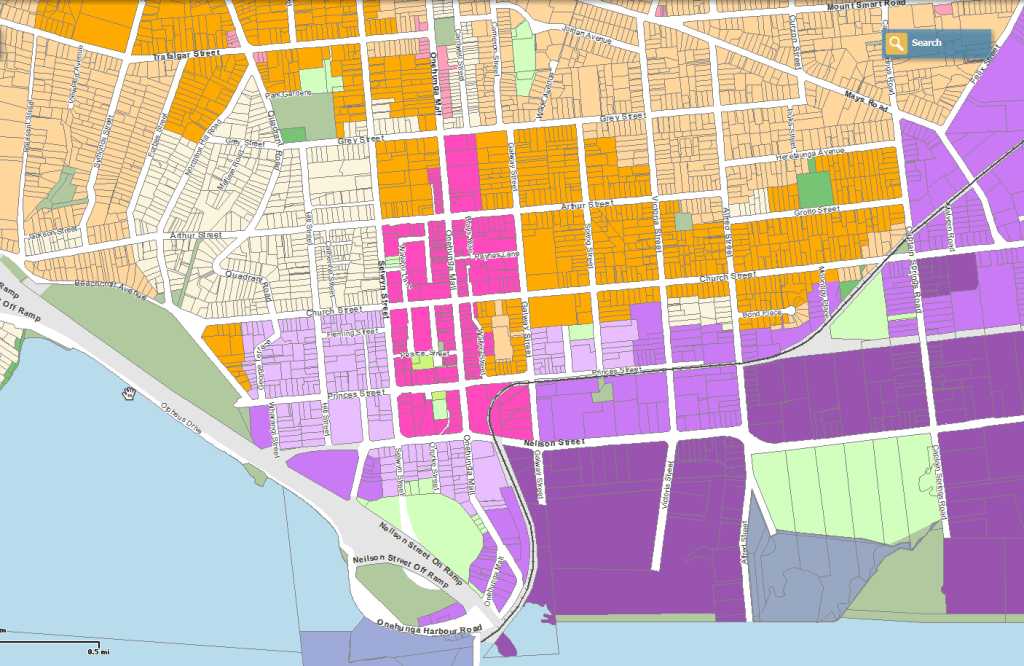
What to Expect from September 30 This post looks at the preparations and what to expect when the Unitary Plan is released for Formal Notification on September 30. I … Continue reading The Unitary Plan – What to Expect from September 30
I attended the media briefing in regards to the Unitary Plan and The Auckland Design Manual which come out Monday – September 30th.
At the moment I am writing up my blog post from the briefing will have it up either tomorrow or Saturday morning.
As a teaser you can check the covers to some documents I received from the briefing today.
Talking Auckland: Blog of TotaRim Consultancy Limited
TotaRim Consultancy
Bringing Well Managed Progress to Auckland and The Unitary Plan
Auckland: 2013 – YOUR CITY, YOUR CALL
Preparing for the Formal Notification of The Unitary Plan Tomorrow afternoon myself and other media will get to have an introduction at both the revised Unitary Plan that will … Continue reading Getting Ready for September 30
All these plans and all the consultation that goes with it (although some would do Death by Consultation in the name sake “The People…”) would make most people go nuts. In saying that from September 30 we enter the three-year process of formal notification and hearing with The Unitary Plan.
If you want to get changes put into the Unitary Plan then be prepared to write and send in your formal submission between September 30 and February 24th, 2014. After that we have independent commissioners appointed by the Government who will conduct Hearings through to and inclusive of 2016. Again this is how you get your changes that you would like to see in the Unitary Plan, NOT by giving it back to Councillors to go waste time and money re-litigating until the cows come home before they finally send it back out to notification.
In the meantime this from Auckland Council:
Thank you to those who provided feedback on the draft Unitary Plan. Auckland Council’s Governing Body has approved the proposed Auckland Unitary Plan for notification and a formal submissions phase, which starts on the date of notification, 30 September. The proposed plan will then be available online at www.aucklandcouncil.govt.nz/unitaryplan as well as in hard copy format in libraries for those who don’t have access to the internet.
The plan includes amendments to the maps, policies and rules based on the feedback of over 21,000 Aucklanders and the decisions made by Auckland Councillors on what changes would be included.
The formal submissions phase, which includes further submissions and a hearings process will take place over approximately three years.
For more information on the unitary plan email unitaryplan@aucklandcouncil.govt.nz with any questions.
The Hauraki Gulf, known by many as Tikapa Moana and by others as Te Moananui ā Toi, is a national taonga (treasure). Over the next two years we’ll be creating a marine spatial plan, called Sea Change, to safeguard this treasure.
Ultimately, it’s about securing a healthy, productive and sustainable resource shared by all. The project is led by a partnership between mana whenua (local Māori who have customary authority over the area), and central and local government. Interest groups and users of the gulf, including recreational fishing and boating, environmental and community, aquaculture, fishing, shipping and tourism will have an opportunity to participate.
Sea Change will follow world best practice. This includes using an online decision support tool called SeaSketch. It will give everyone with an interest in this national taonga the opportunity to contribute towards creating a desired vision for it, including recommending:
A Stakeholder Working Group will take a lead role in developing the marine spatial plan and commence its selection process in October 2013. The group will consider all points of view by compiling and providing information, reviewing evidence, and analysing reports. The public will be able to have their say during 2014.
The non-statutory plan developed through this process will be used to modify district, regional and coastal plans and any relevant policies, rules and regulations.
Find out more at www.seachange.org.nz
Please pass this on to other people you think will be interested in council issues. Find out more on how you can have your say at www.aucklandcouncil.govt.nz/haveyoursay
In the meantime, if you have any queries, please don’t hesitate to get in touch by emailing us at consultation@aucklandcouncil.govt.nz
That last bit being rather relevant especially after somewhat of a mixed bag for me over the last three years in advocating for a #BetterAuckland.
October 4 I will have the blog reformatted and set up for the formal notification phase of the Unitary Plan as Talking Auckland will once again run its leading independent commentary on Auckland issues.
Talking Auckland: Blog of TotaRim Consultancy Limited
TotaRim Consultancy
Bringing Well Managed Progress to Auckland and The Unitary Plan
Auckland: 2013 – YOUR CITY, YOUR CALL
Note: This is the abridged version of my earlier commentary on this matter.
——————-
It seems Te Papa North (Manukau) has stirred up some criticism towards fellow Aucklanders by fellow Aucklanders. One of the most recent and harshest criticisms came from The Listener’s piece: “Editorial: the right location for Te Papa North“ (12/9/2013)
The reasons the person gave in that editorial piece were “interesting” to say the least. In reply I will outline why Manukau is the right location for such a museum.
Starting with the direct and indirect benefits of the facility being in Manukau; these economic and social benefits have to outpace the monetary costs of the facility. This in my opinion can be easily done.
DIRECT BENEFITS
INDIRECT BENEFITS
Of course those benefits do trickle across the wider city as well.
As for Te Papa North being inaccessible in Manukau rather than Wynyard Quarter, that is a load of rubbish. By 2018/9 when the Museum would be due to open you would have the following options:
With the City Rail Link near completion (by the time Te Papa North opens), the new EMU trains moving at usually 10 minute frequencies, and with some luck the Congestion Free Network under construction it would take you approximately:
PRIVATE TRANSPORT
For those inclined to take the car Te Papa Manukau is very easily accessible by both State Highways One and Twenty (including using the Western Ring Route). Travel Times are approximate owing to differing levels of congestion – but apart from Papakura to Manukau, just use the public transport times and minus it by a third if going by car.
Thus accessibility is not a problem except for maybe those who live on the North Shore (who are relatively disconnected to the bulk of Auckland anyhow). So the transport card won’t fly with me.
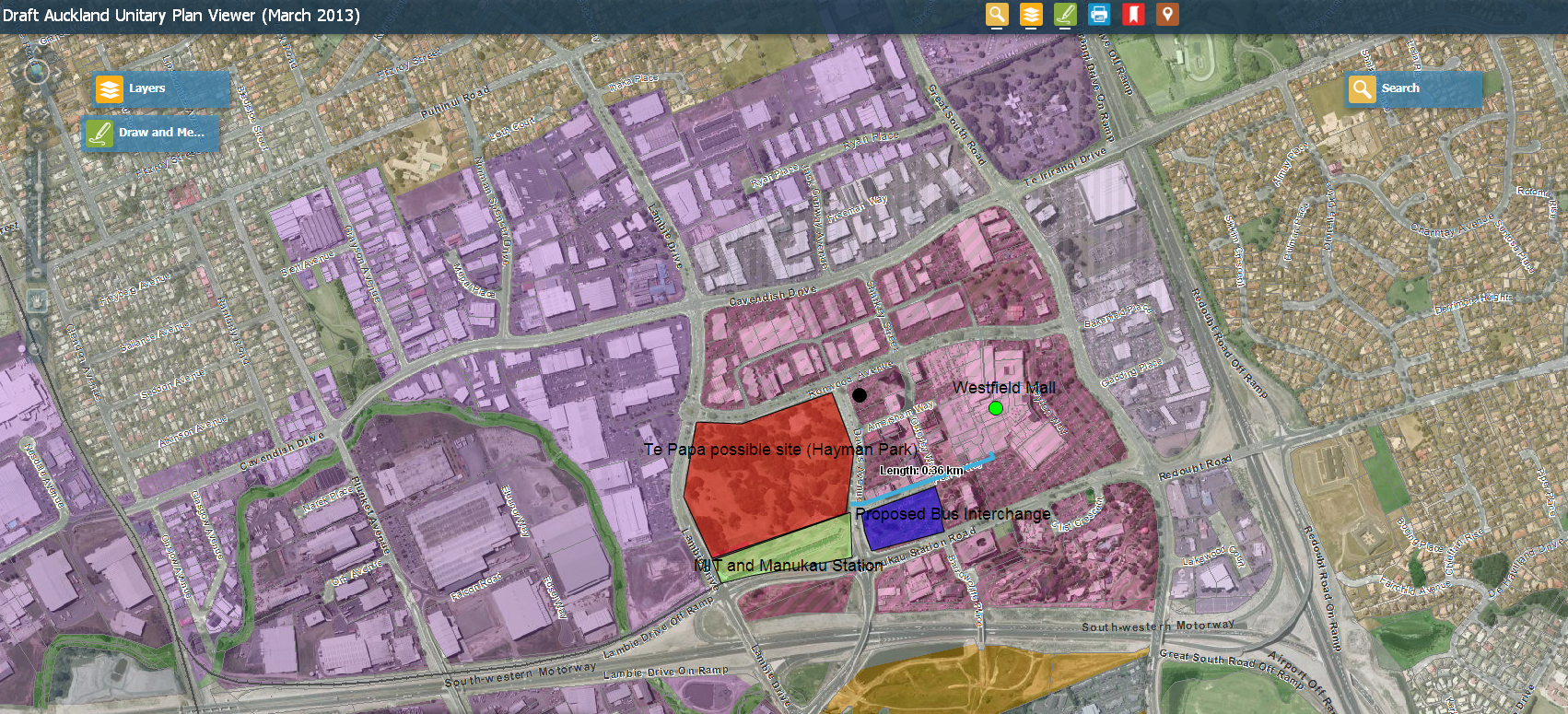
As for Wynyard Quarter being close to such places as “Shops and eateries, farmers’ markets and recreation such as cycling and skating naturally flourish, that has already occurred in Auckland’s once-controversial Viaduct Basin.”
Well Manukau has shops (the mall you can’t usually find a park in the weekend), the Otara Market on Saturdays (the biggest in Auckland if not New Zealand), places to cycle and participate in recreational activities, Rainbows End, even the Botanical Gardens where you can enjoy long walks and a bite to eat at the cafe . Manukau might not be the Ritz here but it is still enjoyable
With urban renewal also coming to the Manukau (Super) Metropolitan Centre the place is only get better.
 Talking Southern Auckland