Category: Uncategorized

Announcing the publication of ‘Suburban Urbanities’ with UCL Press

The Metropolitan Centres as we know as in Auckland or Metropolitan Suburban Centres as this post and new book calls them.

What are the roles of these Centres and are we as both citizens and planners underestimating the potential of these Metropolitan Centres that have been there as long as the modern city has been?

(sub)urbanite's avatarTowards Successful Suburban Town Centres

The edited collection, Suburban Urbanities: Suburbs and the Life of the High Street was published last week with UCL Press.

The main impetus for publishing this edited collection, was to bring together the core findings of seven years’ worth of research into London’s suburbs, funded by two UK Research Council grants: Towards Successful Suburban Town Centres and Adaptable Suburbs. In doing this, we sought out a comparative set of examples from outside of the UK, which were first presented at our closing conference last year. The intention of Suburban Urbanities is to consider the suburb as an aspect of urban spatial-social complexity, rather than subordinate part of the city. We argue that attempting to define an urban particularity entirely without reference to the suburban is almost certain to fail. Instead, using spatial analysis, historical and ethnographic perspectives the book counteracts the binary opposition between city and suburb and challenges…

View original post 471 more words

Notes on John Armstrong’s final column

An interesting post and one I tend to agree with for the most if not all of it.

As a reader, consumer and a person active in politics in this country I had very little time for Armstrong’s columns for the reasons listed in the original post.

If I want comment on the Theatre of Parliament I will go find that myself watching the circus that is Question Time.

Reporting, analysing and critiquing is what I am looking for with our Central and even Local politics hence I looked else where for it.

Is Job Sprawl “The Defining Issue of Our Time”?

In Auckland this situation is being looking at by the Unitary Plan Hearings Panel.
Auckland Council policy is what is called the Centres Plus policy where the bulk of commercial growth is contained to the City Centre, 10 Metropolitan Centres, the larger of the Town Centres and the Mixed Use Zone.

That said there are what we call Identified Growth Corridors where commercial can establish along a transport corridor often a road (rail would be more radial around a station).

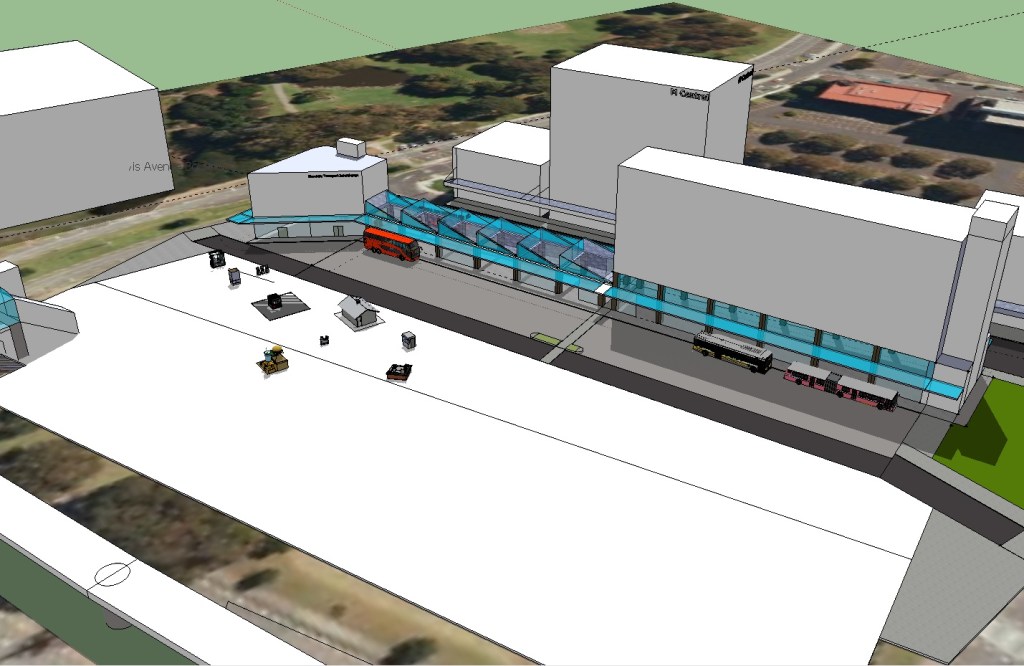
The best example of a Identified Growth Corridor is both Lunn Avenue in Mt Wellington and Lincoln Road in West Auckland.

Lincoln Road is not the best example of how IGC should work and would exemplify what the original article is blogging on about.

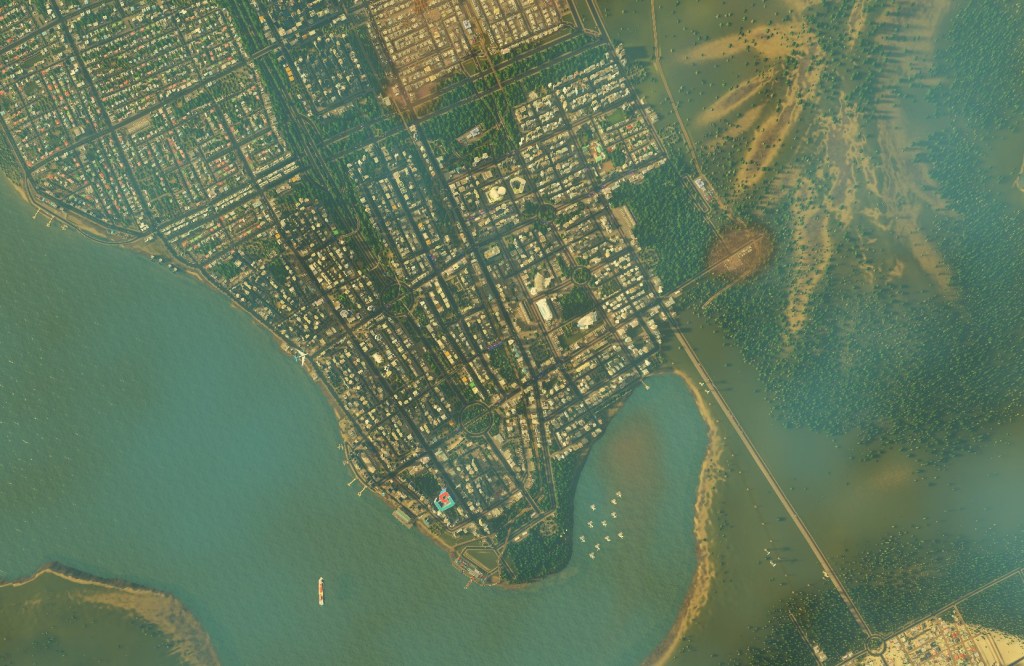
As Auckland also grows Council must decide what to do with Greenfield developments that will also attract commercial growth. Westgate Metropolitan Centre would be a current example what not to do while Manukau in 1976 would have been (and blogged earlier this week on).

Local Centres would be ideal for new Greenfield suburbs that would allow the existing 10 Metropolitan Centres to then take the brunt of any intense commercial growth. Unless you do want job sprawl.

sajohnston's avatarItinerant Urbanist

A few weeks ago, this tweet of mine got a decent amount of attention and inspired a good conversation:

It’s an issue of interest for me for several reasons. First, I spent my summer working on a to-be-released report for the Tri-State Transportation Campaign about people who reverse-commute from New York City to the suburbs. Secondly, as someone who’s lived in several smaller cities, I’m quite conscious of the ways smaller cities struggle to employ their own residents–in other words, job sprawl tends to be worse (and therefore a bigger policy challenge) in smaller cities than larger ones. Finally, my partner is a reverse commuter, from downtown Albany out to near the airport, despite the availability of plenty of open office space and land in…

View original post 1,100 more words

The ugly truth about critics of “the ugly truth” in science

With any science those who would be considered “pro-science” can do as just as much damage to science and the science as those from the anti science brigade.

Fluoride in water is one such debate while Climate change is certainly another.
So when defending or critiquing the science think to yourself are you being scientific and being reasonable to critique and new techniques or are you no better than a more fringe religious fundamentalist who is absolute stoic in their ways.

Think about it.

Ken's avatarOpen Parachute

It’s an interesting issue. Do we sometimes get too defensive about established science? In our efforts to counter the propaganda of the naysayers do we paint an over-optimistic picture of scientific knowledge? Do we sometimes neglect to make a critical analysis of accepted science while at the same time demanding this of the claims made by anti-science critics?
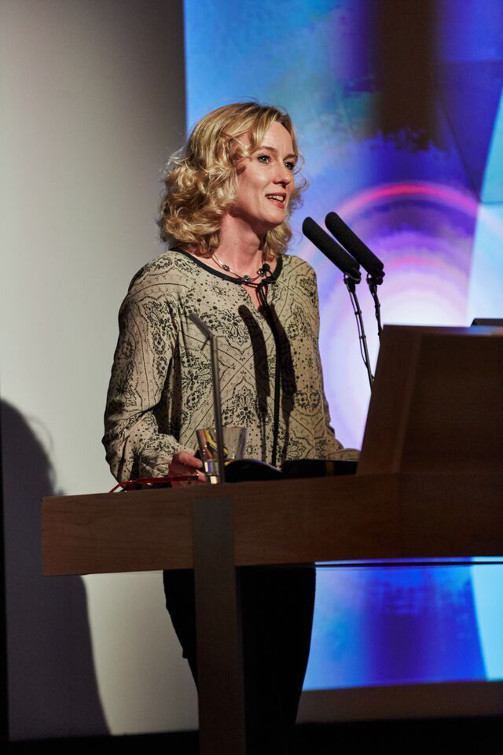
Tracey_Brown Tracey Brown, director of Sense About Science

Important questions – and don’t tell me they haven’t sometimes caused you to have some uncertainty when defending scientific knowledge from detractors. Of course, you are not alone in this. Tracey Brown, Director of Sense in Science, tackled the subject head on in the annual Sense About Science lecture last week.

The ugly truth

This was the title of her lecture. Perhaps it is a timely warning. We should not be defensive about scientific knowledge – or the policy decisions that rely on that knowledge. We should…

View original post 1,107 more words